
Steel vs Concrete: A Comprehensive Comparison for Construction Professionals
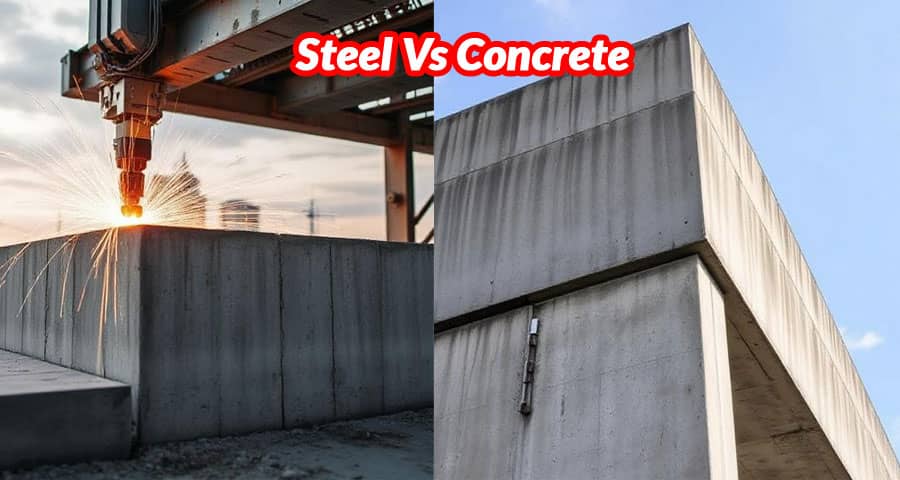
In the world of construction engineering, choosing the right material is crucial for project success. Steel and concrete stand out as two of the most widely used materials in structural applications, each offering unique strengths, weaknesses, and long-term considerations. Whether you are building a high-rise skyscraper, a bridge, or an industrial facility, understanding the differences between steel and concrete can significantly affect cost-efficiency, durability, sustainability, and performance.
What is Steel in Construction?
Steel is an alloy primarily made of iron and carbon, enhanced with other elements for added strength and resistance. Its popularity stems from its high tensile strength, ductility, and rapid assembly potential. Common forms include structural beams, columns, rebar, and steel plates.
What is Concrete in Construction?
Concrete is a composite material made from cement, water, and aggregates such as sand or gravel. Once mixed and cured, it hardens into a strong, durable substance suitable for compression-heavy applications. Variants include reinforced concrete, precast concrete, and prestressed concrete.
Strength and Structural Performance
Steel: Superior in Tension
Steel boasts exceptional tensile strength, making it ideal for long-span structures like bridges and tall buildings. It maintains performance under stress and strain, offering uniformity and predictability in structural integrity.
- Tensile Strength: 400 - 550 MPa (megapascals)
- Elasticity: High flexibility allows bending without breaking
- Yield Point: Easily measurable, aiding design predictability
Concrete: Dominant in Compression
Concrete excels in compressive strength, often used for columns, foundations, and load-bearing walls. However, it is weak in tension unless reinforced with steel rebars.
- Compressive Strength: Typically 20 - 40 MPa for general use; up to 100 MPa in high-strength applications
- Tensile Weakness: Requires reinforcement
- Crack Propagation: Prone to cracking under excessive tensile loads
Durability and Longevity
Steel: Vulnerable to Corrosion
While steel is strong, its exposure to moisture and air can lead to corrosion unless protected with coatings or galvanization.
- Maintenance: Requires periodic inspection and repainting
- Fire Resistance: Weakens at high temperatures unless fireproofed
- Lifespan: 50 - 100 years with proper maintenance
Concrete: High Durability with Proper Mix
Concrete is naturally fire-resistant and weather-resilient, making it suitable for underground and marine applications.
- Corrosion: Reinforced concrete can suffer from internal rebar corrosion
- Alkali-Silica Reaction: Risk if aggregates aren't selected properly
- Lifespan: Exceeds 100 years with minimal maintenance
Construction Time and Efficiency
Steel: Fast and Precise
Steel components are prefabricated off-site, significantly reducing on-site labor and overall construction time.
- Installation Speed: High; ideal for fast-track projects
- Tolerances: Tight control allows for precise fits
- Environmental Impact: Less site disruption
Concrete: Labor-Intensive and Time-Consuming
Concrete requires formwork, curing time, and on-site mixing, which can delay timelines.
- Curing Time: Minimum of 7 days to reach usable strength
- Workforce: Larger teams required for pouring, finishing, and curing
- Site Preparation: Extensive, especially for foundations
Cost Comparison: Steel vs Concrete
Initial Costs
- Steel: Higher material cost per ton, but lower labor and time expenses
- Concrete: Lower material cost, but higher labor and equipment demands
Lifecycle Costs
- Steel: Needs regular maintenance for rust prevention
- Concrete: Lower long-term maintenance if properly mixed and cured
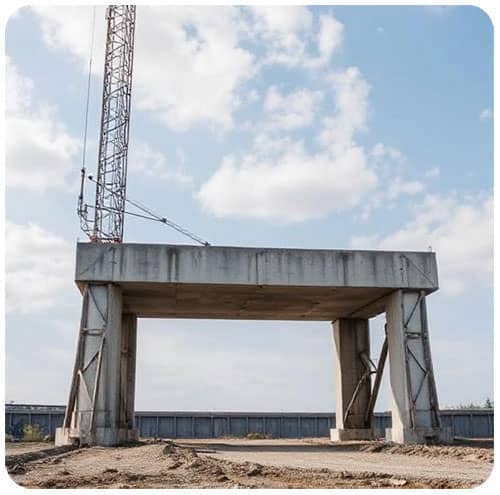
Cost Per Square Foot (Approximate, 2025)
| Material | Commercial Building | Industrial Use |
|---|---|---|
| Steel | $120 - $200 | $100 - $180 |
| Concrete | $100 - $150 | $90 -$160 |
Environmental Impact and Sustainability
Steel: Highly Recyclable
Steel is 100% recyclable, often repurposed without degrading its quality.
- Embodied Energy: High
- Carbon Footprint: Significant during production
- Reusability: Excellent; often reclaimed from demolished buildings
Concrete: High Emissions, Low Reusability
Cement production is responsible for 8 - 10% of global CO2 emissions, making concrete less eco-friendly.
- Recyclability: Limited to crushed aggregate
- Carbon Capture: Some potential via carbonation over time
- Green Alternatives: Fly ash or slag in place of Portland cement
Design Flexibility and Aesthetics
Steel: Ideal for Complex Architecture
Steel allows innovative and lightweight structures, making it preferred in modern architecture.
- Span Length: Longer spans with fewer columns
- Aesthetic Appeal: Sleek, minimalistic design options
- Retrofitting: Easier to modify or expand
Concrete: Best for Mass and Solidity
Concrete is optimal for monolithic and massive designs like dams, bunkers, and stadiums.
- Acoustic Insulation: Better than steel
- Thermal Mass: Absorbs and retains heat
- Surface Treatment: Can be textured, stained, or polished
Fire Resistance and Safety
Steel: Needs Protection
Without protective coating, steel loses strength at 600°C and above. It requires intumescent paint, insulation, or encasement.
Concrete: Naturally Fireproof
Concrete maintains structural integrity under high heat, making it the preferred choice for fire-rated construction.
- Melting Point: Over 1,000°C
- Structural Integrity: Often remains even after intense fires
- Code Compliance: Easily meets fire safety regulations
Application Suitability
| Project Type | Recommended Material |
|---|---|
| High-rise buildings | Steel |
| Bridges | Steel or Reinforced Concrete |
| Foundations | Concrete |
| Industrial Plants | Steel |
| Residential Homes | Concrete |
| Parking Structures | Concrete |
Conclusion: Steel or Concrete - Which One is Better?
The decision between steel and concrete ultimately depends on project-specific criteria:
- For speed, tension-based strength, and flexible design, steel is unmatched.
- For compression strength, fire resistance, and long-term durability, concrete is the better choice.
An integrated approach, using reinforced concrete or composite steel-concrete structures, often delivers the best of both worlds in modern engineering.
Please watch the following short video for Steel vs Concrete
Also Read:
 Sewer Pipes: Types, Uses, and Functions