
Cement Clinker: Composition, Types & Uses
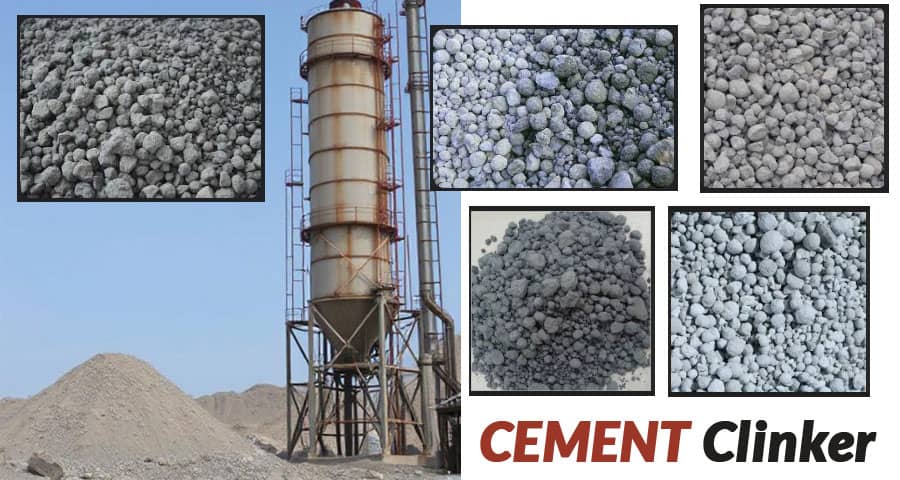
Cement is one of the most vital construction materials in the modern world, and at the heart of cement production lies cement clinker. Understanding its composition, types, and uses is essential for engineers, contractors, and industry professionals who rely on high-quality cement for infrastructure and building projects.
What is Cement Clinker?
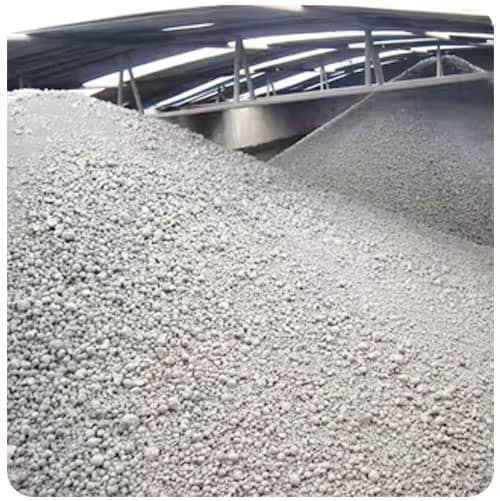
Cement clinker is a solid material produced by heating a mixture of limestone and clay at high temperatures in a rotary kiln. The process, known as clinkerization, transforms raw materials into hard nodules typically between 3 mm to 25 mm in diameter. Once cooled, clinker is finely ground with gypsum to produce Ordinary Portland Cement (OPC) and other cement varieties.
Chemical Composition of Cement Clinker
The properties and performance of cement largely depend on its chemical composition. The key oxides present in clinker include:
- Calcium Oxide (CaO) - 60 - 67%
Provides strength and contributes to the formation of silicates. - Silicon Dioxide (SiO2) - 17 - 25%
Reacts with CaO to form calcium silicates, crucial for strength development. - Aluminum Oxide (Al2O3) - 3 - 8%
Helps in the formation of aluminates, which influence early strength. - Ferric Oxide (Fe2O3) - 0.5 - 6%
Promotes the formation of aluminoferrite, improving the fusion process. - Magnesium Oxide (MgO) - 0.1 - 5%
Excessive content can cause unsoundness, so it is carefully controlled. - Sulfur Trioxide (SO3) - 1 - 3%
Regulates setting time when gypsum is added during grinding. - Minor Constituents such as alkalis (Na2O, K2O) influence cement durability and resistance to alkali-aggregate reactions.
Mineral Phases in Cement Clinker
Cement clinker contains four main mineral compounds, collectively known as Bogue's compounds:
- Tricalcium Silicate (C3S - 45 - 60%)
- Responsible for early strength gain (first 7 days).
- Hydrates quickly and contributes significantly to durability.
- Dicalcium Silicate (C2S - 15 - 30%)
- Contributes to long-term strength.
- Hydrates slowly, making it crucial for later strength development.
- Tricalcium Aluminate (C3A - 6 - 12%)
- Reacts rapidly with water, responsible for initial setting.
- Controlled by gypsum addition to prevent flash setting.
- Tetracalcium Aluminoferrite (C4AF - 6 - 10%)
- Influences the color of cement.
- Contributes moderately to strength and improves manufacturing efficiency.
Types of Cement Clinker
Clinker production varies depending on raw material composition and kiln conditions. The main types include:
1. Ordinary Portland Cement (OPC) Clinker
- Most common type used worldwide.
- Suitable for general construction like residential, commercial, and industrial projects.
2. Sulfate Resistant Clinker
- Contains low C3A content (<5%).
- Ideal for marine structures, foundations, sewage systems, and environments with high sulfate concentration.
3. White Cement Clinker
- Manufactured with low iron oxide content.
- Produces white cement for architectural applications, decorative finishes, and tile grouts.
4. Low Heat Clinker
- Reduced C3S and C3A content.
- Generates less heat during hydration, making it suitable for large concrete pours like dams.
5. Pozzolanic Clinker
- Blended with pozzolans like fly ash or volcanic ash.
- Enhances durability, reduces permeability, and minimizes environmental impact.
6. Special Clinkers
- Customized for oil well cement, masonry cement, and high alumina cement.
- Each tailored to meet specific performance requirements.
Manufacturing Process of Cement Clinker
The production process consists of several stages:
- Raw Material Preparation
- Limestone, clay, and other additives are crushed and proportioned.
- Raw Meal Grinding
- Materials are ground into fine powder and blended for uniformity.
- Preheating & Precalcination
- The mixture is preheated in cyclone preheaters and partially calcined.
- Clinkerization in Rotary Kiln
- Heated to 1450°C, forming clinker nodules through complex reactions.
- Cooling
- Clinker is rapidly cooled in grate coolers to preserve reactivity.
- Storage & Grinding
- Cooled clinker is stored and later ground with gypsum to make cement.
Properties of Cement Clinker
- Color - Typically dark gray, but varies based on iron oxide content.
- Hardness - Dense and hard nodules, crucial for grinding efficiency.
- Reactivity - Influenced by mineral composition and cooling rate.
- Strength Development - Directly linked to C3S and C2S content.
Uses of Cement Clinker
Cement clinker is not used directly but ground into cement, which has countless applications:
- Residential Construction - Foundations, walls, floors, and roofs.
- Commercial Buildings - Offices, malls, schools, and hospitals.
- Infrastructure Projects - Bridges, highways, tunnels, airports, and railways.
- Hydraulic Structures - Dams, reservoirs, ports, and canals.
- Industrial Applications - Oil well cementing, refractory works, precast concrete.
- Decorative Architecture - White cement for facades, terrazzo flooring, and designer finishes.
Global Importance of Cement Clinker
- Economic Role - Cement clinker forms the backbone of the construction industry, driving urbanization and infrastructure development.
- Environmental Considerations - Cement manufacturing contributes significantly to CO2 emissions, prompting the use of alternative fuels, clinker substitutes, and green technologies.
- Sustainability Trends - Blended cements, clinker substitutes, and carbon capture initiatives are reshaping the future of clinker production.
Conclusion
Cement clinker is the essential intermediate product that defines the performance of cement. From its complex composition to its diverse applications, clinker plays a pivotal role in shaping modern construction. With technological advancements and a push toward sustainability, clinker manufacturing is evolving to meet the demands of durability, performance, and environmental responsibility.
Please watch the following short video for Cement Clinker
Also Read:
 What to look for when hiring a BIM company