
Comprehensive Guide to Construction Cost Estimating
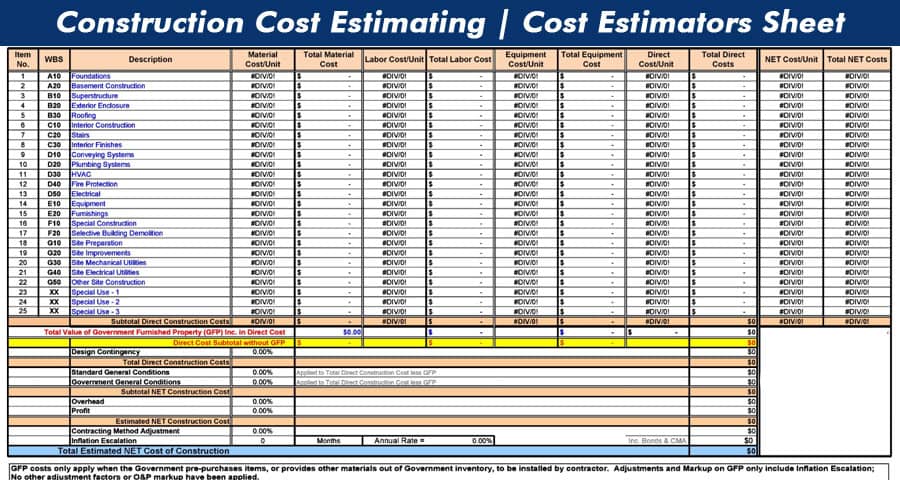
In the realm of construction projects, construction cost estimating is an indispensable process. It serves as the foundation upon which budgets are built, decisions are made, and projects are executed. As such, mastering the art of construction cost estimating is paramount for success in the construction industry.
Understanding Construction Cost Estimating
At its core, construction cost estimating involves predicting the expenses associated with a construction project. This encompasses a wide array of elements, including materials, labor, equipment, and overhead costs. Accurate cost estimation is crucial for ensuring that projects stay within budgetary constraints and are completed on time.
Factors Influencing Construction Costs
Numerous factors influence construction costs, making accurate estimation a multifaceted endeavor. These factors include:
- Materials: The cost of materials fluctuates based on market conditions, availability, and project specifications.
- Labor: Labor costs vary depending on the skill level of workers, union agreements, and project complexity.
- Equipment: The type and quantity of equipment required for a project impact costs significantly.
- Location: Regional differences in labor rates, material prices, and regulatory requirements can influence construction costs.
- Project Scope: The size, complexity, and unique requirements of a project all affect its overall cost.
Methods of Construction Cost Estimation
Construction professionals employ various methods to estimate project costs, each with its own advantages and limitations:
- Analogous Estimating: This method relies on historical data from similar projects to estimate costs.
- Parametric Estimating: Parametric models use statistical relationships between historical data and project parameters to forecast costs.
- Bottom-Up Estimating: Bottom-up estimating involves estimating costs for individual project components and aggregating them to determine the total cost.
- Three-Point Estimating: Three-point estimating uses optimistic, pessimistic, and most likely scenarios to calculate a range of possible costs.
The Role of Cost Estimators
Cost estimators play a pivotal role in the construction cost estimating process. These professionals possess the expertise to analyze project requirements, evaluate cost drivers, and produce accurate estimates. By leveraging their knowledge and experience, cost estimators help stakeholders make informed decisions and mitigate financial risks.
Skills and Qualifications of Cost Estimators
Effective cost estimators possess a unique skill set tailored to the demands of their profession:
- Technical Proficiency: A deep understanding of construction methods, materials, and technologies is essential for accurate estimation.
- Analytical Skills: Cost estimators must be adept at analyzing complex data sets and identifying cost drivers.
- Communication Skills: Clear and concise communication is crucial for conveying cost estimates to stakeholders and collaborating with project teams.
- Attention to Detail: The ability to meticulously review project plans and specifications ensures that no cost-related details are overlooked.
- Adaptability: Cost estimators must adapt to evolving project requirements, market conditions, and industry trends to maintain accuracy.
Best Practices for Construction Cost Estimating
To excel in construction cost estimating, practitioners should adhere to the following best practices:
- Gather Accurate Data: Collect comprehensive data on project requirements, materials, labor rates, and other relevant factors.
- Utilize Estimating Software: Leverage specialized software tools to streamline the estimation process and improve accuracy.
- Stay Informed: Stay abreast of industry trends, market fluctuations, and regulatory changes that may impact construction costs.
- Collaborate Effectively: Foster collaboration between project stakeholders, including architects, engineers, contractors, and clients, to ensure alignment on cost estimates.
- Review and Refine: Continuously review and refine cost estimates as project details evolve, incorporating feedback and lessons learned from previous projects.
Conclusion
In conclusion, construction cost estimating is a critical aspect of construction project management, requiring a blend of technical expertise, analytical acumen, and effective communication. By mastering the art of cost estimation and adhering to best practices, construction professionals can navigate the complexities of project budgeting with confidence and precision.