
Concrete Screed: Specifications, Characteristics, Advantages & Disadvantages
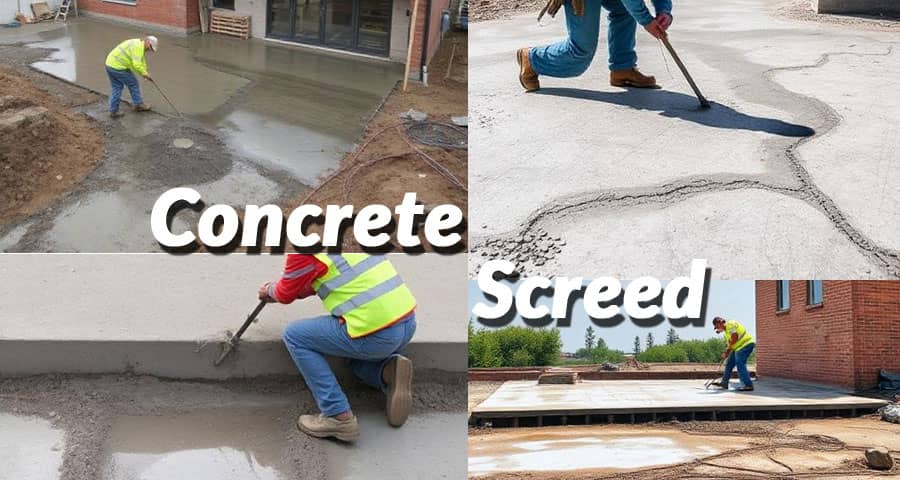
Concrete screed plays a crucial role in modern construction, providing a smooth, durable, and even surface for flooring systems. Whether in residential, commercial, or industrial projects, a well-applied screed ensures the long-term performance of the final floor finish.
What is Concrete Screed?
Concrete screed is a layer of material, typically composed of cement, sand, and water, applied to a concrete subfloor to achieve a level surface. It acts as a substrate for final floor coverings such as tiles, wood, vinyl, or carpet. Depending on the type, screeds can also include additives or reinforcement fibers to enhance performance.
Types of Concrete Screed
Understanding the various types of screed is vital for selecting the appropriate solution for specific project requirements.
1. Bonded Screed
Bonded screeds are directly applied to the base concrete using a bonding agent. Ideal for thin applications (25 - 50 mm), they offer superior adhesion and are commonly used where heavy loading is expected.
2. Unbonded Screed
This type is laid over a damp-proof membrane, separating it from the base. It's used where moisture protection or movement tolerance is needed. Thickness ranges from 50 mm to 70 mm.
3. Floating Screed
Floating screeds are applied over insulating materials such as thermal or acoustic insulation. Typically 65 mm thick in residential settings and 75 mm in commercial, they are ideal for underfloor heating systems.
4. Liquid Screed (Flowing Screed)
Made using calcium sulfate or anhydrite, liquid screed is self-leveling and faster to apply. It allows for reduced labor time and can be poured in thinner layers, generally from 35 - 50 mm.
5. Reinforced Screed
Reinforced screeds include polypropylene fibers or steel mesh to improve tensile strength, prevent cracking, and increase durability. Suitable for areas with high foot traffic or heavy equipment.
Technical Specifications of Concrete Screed
To ensure quality and performance, the following specifications must be met:
- Compressive Strength: Typically 20 - 30 N/mm2
- Minimum Thickness: 25 mm (bonded), 50 mm (unbonded), 65 mm (floating)
- Drying Time: 1 mm per day for traditional screeds under ideal conditions
- Moisture Content Before Floor Finish: Less than 75% RH or 2% by CM method
- Curing Time: 7 days (minimum), 28 days for complete strength development
- Application Temperature: Between 5°C and 30°C
Characteristics of High-Quality Concrete Screed
A reliable screed should demonstrate the following characteristics:
- Flatness and Levelness: A smooth and even surface for final finishes
- Hardness: Sufficient strength to support foot traffic and furniture
- Shrinkage Resistance: Minimal cracking due to controlled water content
- Adhesion: Strong bond with the base or insulation layer
- Durability: Long-lasting under normal and heavy use
- Workability: Easy to mix, apply, and finish on-site
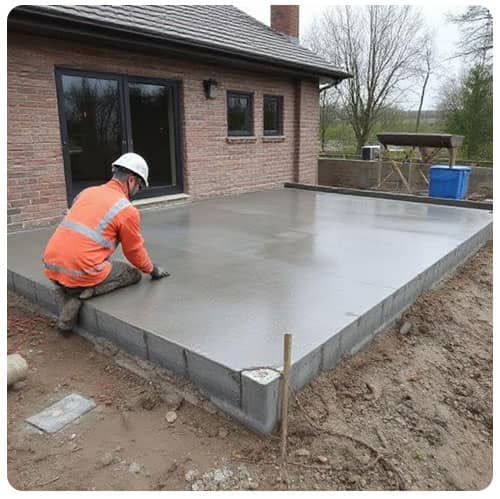
Advantages of Concrete Screed
Choosing concrete screed brings a multitude of benefits to a construction project:
1. Enhanced Floor Flatness
Screed delivers an incredibly smooth finish, allowing tiles, carpets, or wood to be installed seamlessly without undulations.
2. Supports Underfloor Heating
Floating screeds are excellent for embedding underfloor heating pipes or cables, offering uniform heat distribution and energy efficiency.
3. High Strength and Durability
With reinforced or fiber-modified options, screed can withstand heavy loads, making it ideal for industrial and commercial environments.
4. Versatility
It accommodates a variety of finishes, thicknesses, and additives, allowing for customization to suit project-specific requirements.
5. Cost-Effective
Especially with traditional sand-cement mixes, screed is an economical solution that requires minimal equipment for installation.
6. Acoustic and Thermal Insulation
When used with insulation layers, screed can improve both soundproofing and thermal performance.
Disadvantages of Concrete Screed
Despite its advantages, concrete screed also comes with certain limitations:
1. Long Drying Time
Traditional screeds require extended curing periods, often delaying the installation of final floor finishes.
2. Susceptibility to Cracking
Improper mixing, curing, or application can result in surface cracks, especially in unreinforced screeds.
3. Skilled Labor Required
Application requires trained professionals to ensure correct level, thickness, and curing practices.
4. Moisture Sensitivity
Moisture ingress before full drying can lead to failures in the screed or floor finish, especially in bonded systems.
5. Incompatibility with Some Flooring Types
Improperly cured or high-moisture-content screeds can cause issues with adhesive flooring materials.
Best Practices for Applying Concrete Screed
To ensure optimal performance, adhere to the following best practices:
- Surface Preparation: Clean and prime the substrate to ensure good bonding
- Correct Mixing Ratio: Use a standard 1:3 - 1:4.5 cement-to-sand ratio
- Controlled Water Content: Avoid excess water to reduce shrinkage
- Use of Reinforcement: Add polypropylene fibers or mesh for added strength
- Curing: Cover with plastic sheeting and keep moist for at least 7 days
- Moisture Testing: Verify moisture levels before applying floor finishes
Applications of Concrete Screed in Construction
Concrete screed finds its use across a wide range of sectors:
- Residential Buildings: Smooth floors in bedrooms, kitchens, bathrooms
- Commercial Spaces: Office floors, retail spaces, public buildings
- Industrial Facilities: Warehouses, workshops, production units
- Healthcare & Education: Hospitals, schools, and labs require hygienic, level floors
- Sports & Recreation: Gymnasiums and indoor sports arenas
Modern Innovations in Screed Technology
The screed industry has evolved significantly with advancements in materials and application techniques:
- Self-Leveling Compounds: Quick application and drying, ideal for renovations
- Fast-Drying Screeds: Ready for floor finishes in 3 - 7 days, ideal for fast-track projects
- Eco-Friendly Screeds: Low-carbon alternatives with recycled aggregates or geopolymer binders
- Smart Screeds: Integrated sensors for temperature and moisture monitoring
Conclusion
Concrete screed is an indispensable component of quality flooring systems. Its technical reliability, customizability, and structural support make it a cornerstone of both traditional and contemporary construction. Whether choosing bonded, unbonded, floating, or liquid types, understanding the specifications, characteristics, advantages, and disadvantages helps in making informed decisions tailored to project needs.
Please watch the following short video for Concrete Screed
Also Read:
 Building Valuation: Everything You Need to Know