
How Can Civil Engineers Reduce Carbon Emissions in Construction?
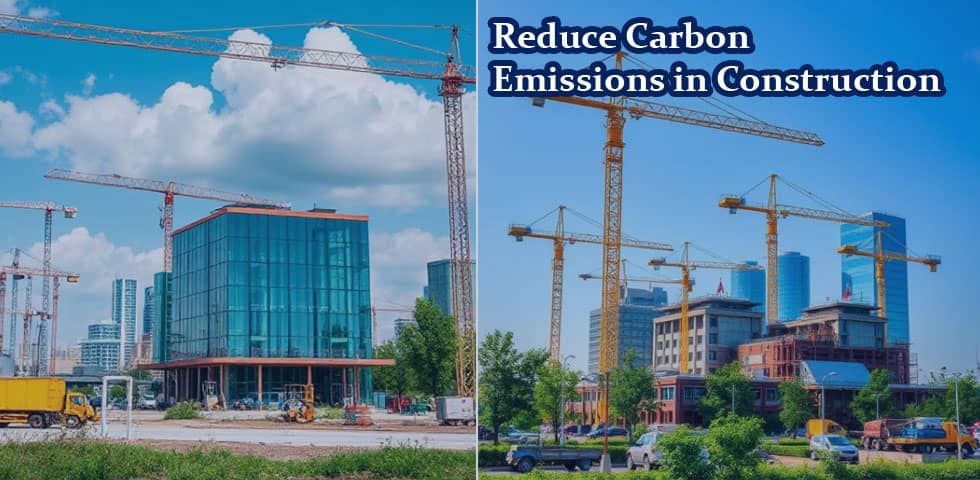
The construction industry is one of the largest contributors to global carbon emissions, accounting for nearly 39% of energy-related CO2 emissions worldwide. As civil engineers, we have a direct influence over the entire life cycle of infrastructure - from planning and material selection to construction and eventual demolition. Therefore, we play a pivotal role in minimizing environmental impact by embedding sustainability into every phase of construction.
Sustainable Design and Planning
Effective emission reduction begins with carbon-conscious design. By adopting passive design principles, such as optimizing building orientation, natural ventilation, and thermal mass, we can significantly cut down on the need for mechanical heating and cooling. Moreover, leveraging Building Information Modeling (BIM) enables accurate material quantification, clash detection, and energy performance simulations, reducing waste and energy usage from the early design stages.
Key strategies include:
- Integrating Life Cycle Assessment (LCA) tools during planning
- Prioritizing modular and prefabricated construction
- Conducting carbon footprint analysis of design alternatives
- Selecting compact and efficient building footprints
Low-Carbon Material Selection
Material choice has a profound impact on the total carbon footprint of a construction project. Traditional materials like concrete and steel are carbon-intensive due to energy-heavy production processes. Therefore, transitioning to low-carbon or carbon-neutral materials is essential.
Civil engineers can reduce emissions by:
- Using Geopolymer concrete instead of Portland cement
- Incorporating recycled steel and aluminum
- Opting for engineered timber such as cross-laminated timber (CLT)
- Emphasizing locally sourced materials to reduce transportation emissions
- Utilizing industrial by-products like fly ash and slag
Efficient Construction Methods
Modern construction methodologies not only improve efficiency but also drastically lower carbon emissions. Off-site manufacturing, for instance, offers better quality control, reduces waste, and shortens construction time, directly lowering on-site emissions.
We recommend:
- Prefabrication and modular building techniques
- Lean construction to eliminate waste
- Using electric or hybrid construction machinery
- Implementing just-in-time delivery systems to minimize idling and transport emissions
- Reducing the need for temporary works that lead to material wastage
Carbon Capture and Storage Integration
To further mitigate emissions, carbon capture and storage (CCS) technologies are emerging as viable options. Civil engineers can incorporate carbon-storing materials into their projects. These include carbon-sequestering concrete, bio-based materials, and even green roofs and walls, which actively absorb CO2.
In addition:
- Permeable pavement systems allow natural carbon absorption
- Designing urban greenery and landscaping for CO2 absorption
- Utilizing mineral carbonation processes in building materials
Energy-Efficient Infrastructure
The operational phase of buildings often leads to decades of carbon emissions. Civil engineers must design and construct infrastructure that minimizes energy demand and encourages the integration of renewable energy systems.
Tactics to adopt:
- Installing solar panels, wind turbines, and geothermal systems
- Creating net-zero energy buildings (NZEBs)
- Using smart building systems that optimize energy consumption
- Designing for natural lighting and passive heating/cooling
- Applying high-performance insulation and glazing solutions
Reuse and Recycling of Construction Materials
Construction and demolition (C&D) waste represents a major contributor to carbon emissions. By establishing systems to reclaim and reuse materials, engineers can limit the need for virgin material production.
Effective practices include:
- Designing structures for disassembly and adaptability
- Encouraging circular construction models
- Implementing on-site sorting and recycling
- Partnering with recycling facilities and suppliers offering take-back schemes
- Reusing materials such as bricks, metals, timber, and aggregates
Policy Compliance and Green Certifications
Adhering to sustainability standards and certifications ensures accountability and provides third-party validation of a project's carbon performance. Civil engineers should proactively pursue green building certifications and comply with governmental carbon reduction regulations.
Consider:
- Pursuing LEED, BREEAM, or Green Star certifications
- Complying with ISO 14001 Environmental Management Standards
- Aligning with local and national climate action frameworks
- Reporting through Environmental Product Declarations (EPDs)
Digital Tools and Smart Technologies
Leveraging technology and data analytics is critical for precision in sustainability efforts. With smart construction technologies, we can monitor, measure, and optimize emissions in real time.
Useful technologies include:
- IoT-based sensors for energy and emission tracking
- Digital twins to simulate and optimize performance
- Drones and AI for efficient site management
- Energy modeling software for predictive design enhancements
- Blockchain for tracking carbon credits and material origins
Educating Stakeholders and Promoting Collaboration
Reducing carbon emissions is not the sole responsibility of civil engineers. However, we are in a key position to lead collaboration between stakeholders and foster a culture of sustainability.
Key initiatives:
- Educating clients on low-carbon benefits
- Coordinating with architects, contractors, and suppliers
- Hosting carbon literacy workshops
- Embedding sustainability KPIs into project deliverables
- Creating green procurement policies
Conclusion: Engineering a Carbon-Neutral Future
The path to net-zero construction demands innovation, commitment, and leadership from civil engineers. By integrating sustainable design, material efficiency, energy-smart systems, and cutting-edge technology, we can build the infrastructure of the future without compromising the health of our planet.
We must act not just as builders, but as stewards of the environment, transforming the industry from a major emitter to a driving force in the global push toward sustainability.
Please watch following short video