
All About Asphalt Flooring: Uses, Advantages, and Disadvantages
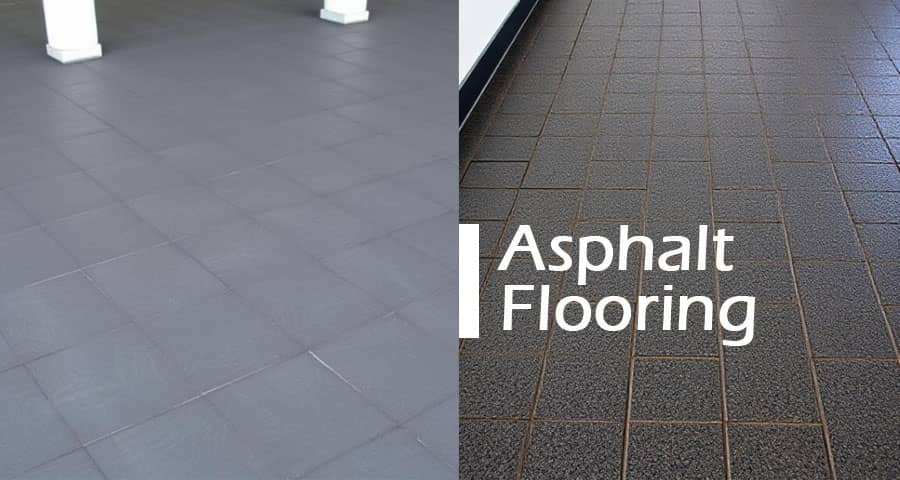
Asphalt flooring has long been a reliable choice in construction, offering a blend of durability, affordability, and versatility. In this comprehensive guide, we explore everything about asphalt flooring - its applications, benefits, drawbacks, and why it remains a trusted solution in modern infrastructure projects.
What is Asphalt Flooring?
Asphalt flooring is a type of flexible pavement surface composed of bitumen (a byproduct of crude oil) mixed with aggregates like sand, gravel, or crushed stone. Once heated and applied, asphalt creates a smooth, resilient surface ideal for high-traffic areas. Asphalt floors are predominantly used in commercial, industrial, and even residential settings, offering a robust alternative to traditional flooring solutions.
Primary Uses of Asphalt Flooring
Roads and Highways
The most common use of asphalt flooring is in road construction, where it provides a stable, skid-resistant surface capable of withstanding constant vehicular traffic and harsh weather conditions. Its ability to be laid quickly makes it indispensable in road networks.
Driveways and Parking Lots
Asphalt flooring offers an economical and low-maintenance choice for residential driveways and commercial parking areas. Its dark color enhances aesthetics and aids in melting snow faster during winter months.
Industrial Floors
In warehouses, factories, and production facilities, asphalt flooring is used for its impact resistance and ease of maintenance. It can withstand the movement of heavy machinery and forklifts without cracking.
Sports Courts and Playgrounds
Specialized asphalt surfaces are created for tennis courts, basketball courts, and running tracks, providing a uniform, shock-absorbing surface that enhances athlete performance and reduces injuries.
Airport Runways and Taxiways
Asphalt's flexibility under heavy loads makes it ideal for airports, where it endures repeated stress from aircraft landings and takeoffs.
Advantages of Asphalt Flooring
1. Cost-Effectiveness
Asphalt flooring is significantly cheaper to install compared to concrete or pavers. The lower material and labor costs make it a budget-friendly solution for large-scale applications.
2. Quick Installation
Asphalt can be laid and set within a few hours, reducing downtime for businesses and minimizing disruption for public projects like road repairs.
3. Flexibility and Resilience
Unlike rigid flooring materials, asphalt has natural flexibility, allowing it to expand and contract with temperature variations without cracking, especially important in regions with extreme climates.
4. Smooth, Skid-Resistant Surface
Properly installed asphalt flooring offers a smooth, level surface with excellent skid resistance, enhancing safety for both pedestrians and vehicles.
5. Easy Maintenance and Repair
Routine sealcoating, patching, or resurfacing keeps asphalt floors looking new and extends their lifespan. Minor damages can be fixed without replacing the entire surface.
6. Noise Reduction
Asphalt absorbs road noise better than concrete, providing quieter surfaces in urban environments and reducing traffic-related disturbances.
7. Recyclability
Old asphalt flooring can be milled and reused in new projects, making it an environmentally friendly option that contributes to sustainable construction practices.
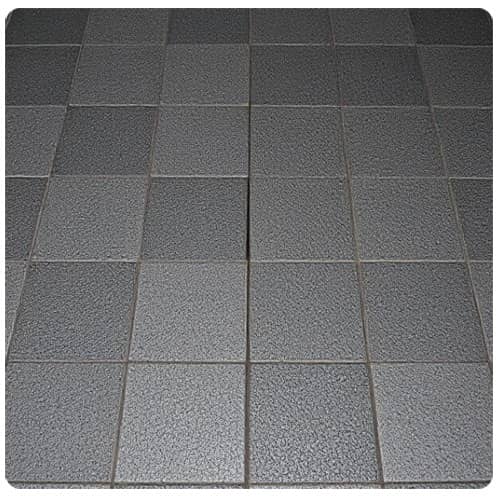
Disadvantages of Asphalt Flooring
1. Susceptibility to Heat
In very hot climates, asphalt can soften and deform, leading to rutting or tracking under heavy loads, especially in industrial or transportation settings.
2. Limited Lifespan
Although durable, asphalt flooring typically lasts 15-20 years with proper maintenance - shorter than concrete, which can exceed 30 years.
3. Regular Maintenance Needs
Without periodic sealcoating and repairs, asphalt is prone to surface oxidation, cracks, and potholes, which can compromise its performance and appearance.
4. Vulnerability to Oil and Chemical Spills
Asphalt's bituminous composition can absorb oils and certain chemicals, causing soft spots or premature deterioration if not cleaned promptly.
5. Environmental Concerns
While asphalt is recyclable, the production and installation processes involve emissions and use of petroleum-based products, contributing to environmental pollution if not properly managed.
Comparison with Other Flooring Options
When evaluating asphalt flooring against alternatives like concrete or interlocking pavers, asphalt often wins on installation speed and initial cost but loses out on longevity and heavy-duty performance. For temporary surfaces or areas requiring rapid deployment, asphalt remains unmatched. In contrast, concrete is better suited for heavy static loads, such as warehouse storage or structural flooring, where rigidity and lifespan take precedence over flexibility.
Key Considerations Before Choosing Asphalt Flooring
- Climate: Asphalt is ideal for temperate or cold regions, but less suitable for consistently hot environments.
- Traffic Load: Evaluate whether the expected vehicular or pedestrian traffic requires a more robust solution than asphalt.
- Budget Constraints: For projects with limited budgets requiring quick turnaround, asphalt provides excellent value.
- Maintenance Commitment: Owners must be prepared for routine inspections and maintenance to prolong the asphalt's lifespan.
- Aesthetic Preferences: Asphalt's appearance may not suit high-end architectural projects; decorative concrete or pavers might be more appropriate.
Tips for Maintaining Asphalt Flooring
- Sealcoat Every 2-3 Years: Applying a protective seal keeps the surface waterproof, UV-resistant, and visually appealing.
- Clean Spills Immediately: Remove oil, chemicals, or fuel spills to avoid softening and staining the surface.
- Fill Cracks Promptly: Addressing cracks early prevents water infiltration and extends service life.
- Routine Sweeping and Cleaning: Keeping the surface free of debris reduces wear and tear from abrasive particles.
- Professional Inspections: Hire experienced contractors to assess surface conditions and recommend repairs.
Conclusion
Asphalt flooring remains an essential component of modern infrastructure due to its affordability, versatility, and quick installation. While it has limitations, careful planning, routine maintenance, and proper installation can ensure asphalt floors deliver years of reliable performance across a variety of applications. Whether for roads, parking lots, industrial sites, or sports courts, asphalt flooring continues to be a smart investment for projects requiring durable, flexible, and cost-effective surfaces.
Please watch the following short video for Asphalt Flooring