
Five Factors to Consider When Assessing Luxury Kitchens by Builders
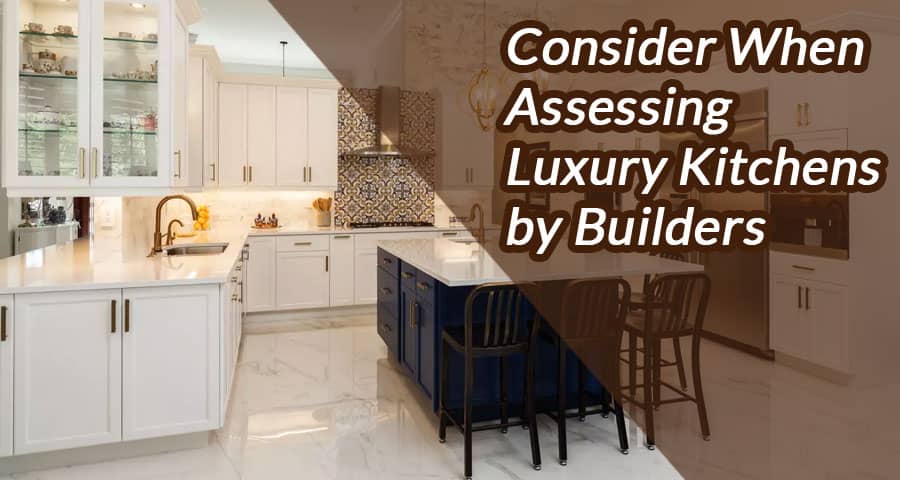
Luxury kitchens have become a hallmark of sophisticated living, blending elegance with functionality. When considering these culinary spaces, certain key factors must be meticulously assessed to ensure you're getting the epitome of opulence and utility.
1. Defining Luxury Kitchens
Luxury kitchens aren't just about lavish designs; they encompass top-tier materials, impeccable finishes, and a blend of aesthetics and functionality. Builders emphasizing these aspects set the tone for a truly luxurious culinary space.
- High-End Materials and Finishes: Builders who specialize in luxury kitchens prioritize premium materials and flawless finishes. From marble countertops to custom cabinetry, attention to detail in materials elevates the overall kitchen experience.
2. Innovative Technology Integration
In this digital age, luxury extends beyond aesthetics. Cutting-edge technology integration, such as smart appliances and automation systems, redefines convenience and efficiency in a kitchen space.
- Smart Appliances and Automation: Builders incorporating smart appliances like touch-control faucets or automated lighting systems create a modern, hassle-free cooking environment.
3. Customization and Design
Luxury kitchens aren't one-size-fits-all; they're personalized spaces tailored to individual preferences and needs.
- Tailored Designs for Individual Needs: Builders who offer customization options ensure the kitchen reflects the homeowner's unique style and functional requirements.
4. Functionality and Ergonomics
Beyond beauty, a luxury kitchen should offer seamless functionality and ergonomic design.
- Efficient Layout and Usability: Builders meticulously plan layouts to maximize space and usability, ensuring an ergonomic workflow for daily culinary activities.
5. Energy Efficiency and Sustainability
A true luxury kitchen incorporates eco-conscious elements and sustainable practices.
- Eco-Friendly Features and Energy-Saving Technologies: Builders incorporating energy-efficient appliances and sustainable materials align with environmentally conscious homeowners' values.
Luxury kitchens represent a substantial investment, so assessing them involves weighing various aspects, including quality, design, technology, and long-term value.
Conclusion
In the realm of luxury kitchens, builders who strike a balance between opulence, functionality, and sustainability stand out. Assessing these five crucial factors helps homeowners make informed decisions that align with their vision of an ideal culinary space.
FAQs
Are luxury kitchens only about aesthetics?
Luxury kitchens encompass both aesthetics and high-quality functionality, ensuring a seamless blend of beauty and usability.
Why is customization important in luxury kitchens?
Customization allows homeowners to personalize their kitchens to suit their unique needs and style preferences.
How do energy-efficient features benefit luxury kitchens?
Energy-efficient features not only contribute to sustainability but also reduce long-term operational costs for homeowners.
What role does technology play in luxury kitchen assessment?
Advanced technology enhances convenience and efficiency, elevating the overall kitchen experience.
Is it essential to hire professionals for luxury kitchen installation?
Yes, professional installation ensures the proper integration of high-end materials and technology, maximizing the kitchen's potential.