
Built-Up Roof with Gravel: Purpose and Benefits

When it comes to durable, time-tested roofing systems for commercial and flat-roofed buildings, Built-Up Roofing (BUR) with gravel continues to be a dominant choice. This roofing type, known for its multi-layered protection, weather resistance, and long service life, provides more than just a barrier against the elements.
What Is a Built-Up Roof (BUR)?
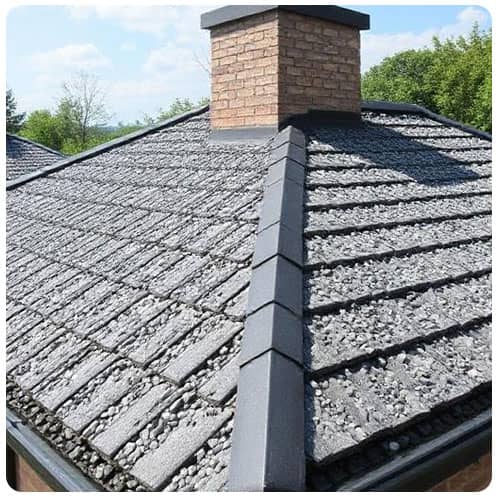
A Built-Up Roof is a traditional flat roofing system composed of alternating layers of bitumen (asphalt or coal tar) and reinforcing fabrics (such as roofing felts). These layers are then topped with a layer of gravel or other aggregate materials. The gravel acts as a protective coating, enhancing the roof's durability and performance.
Purpose of Gravel in Built-Up Roof Systems
The application of gravel over a built-up roof is more than aesthetic - it serves multiple critical functions:
1. UV Protection
Sunlight and UV rays can cause significant damage to roofing membranes over time. Gravel acts as a reflective barrier, shielding the bitumen layers from direct sun exposure, thereby reducing thermal degradation and extending the roof's lifespan.
2. Weight and Wind Resistance
The gravel adds weight to the roof system, anchoring the layers beneath and helping prevent uplift from high winds. In storm-prone areas, this feature is particularly important for maintaining structural integrity.
3. Fire Resistance
A layer of gravel provides a non-combustible surface that helps to increase the fire rating of the roofing system. This additional fire resistance is especially vital for commercial buildings with rooftop equipment or electrical systems.
4. Mechanical Protection
Gravel acts as a shield against mechanical damage. It protects the roof from foot traffic, tool drops, and debris that could otherwise puncture or degrade the roofing membrane.
5. Enhanced Drainage
The loose aggregate layer promotes better water dispersion, directing moisture toward the roof drains and preventing pooling or ponding water that can deteriorate flat roofs.
Key Benefits of Built-Up Roof with Gravel
Exceptional Durability
With multiple layers of protection, BUR systems offer superior resistance to water infiltration, tears, and punctures. This makes them ideal for heavy-duty applications in industrial settings or large commercial structures.
Low Maintenance Requirements
Once installed, BUR systems require minimal upkeep. The gravel helps disguise minor imperfections or wear, and the bitumen layers are resilient to common roofing stressors, reducing the frequency and cost of repairs.
Energy Efficiency
Gravel-topped BURs offer excellent thermal mass properties. They absorb and slowly release heat, helping regulate indoor temperatures and reducing HVAC loads. Lighter-colored gravel can further increase solar reflectivity, contributing to cool roof benefits.
Cost-Effective Over Time
Though initial installation costs can be higher than some single-ply systems, BUR systems pay off over the long term due to their extended lifespan (20 - 40 years with proper maintenance) and low repair frequency.
Seamless Waterproofing
Built-up roofs are virtually seamless, which minimizes water entry points. This is crucial in areas with heavy rainfall or snow, where water penetration can quickly lead to mold, rot, and insulation damage.
Proven Performance History
With over 100 years of use in North America, BUR systems have a track record of reliability and performance in extreme climates, making them a trusted choice for architects, engineers, and contractors alike.
Installation Process of BUR with Gravel
Installing a BUR system with gravel involves multiple precise steps that contribute to its strength and longevity:
- Deck Preparation: Ensure the structural deck is clean, dry, and in good condition.
- Base Sheet Installation: A base sheet is applied to improve adhesion and act as an initial barrier.
- Bitumen Application: Hot asphalt or cold-applied bitumen is laid down.
- Ply Sheet Placement: Layers of reinforcing felt or fiberglass are embedded into the bitumen.
- Repetition of Layers: This process is repeated to create multiple protective layers.
- Top Bitumen Layer: A final layer of bitumen is applied.
- Gravel Application: While the top layer is still hot, gravel is embedded to seal and protect the system.
This process results in a monolithic roof system with exceptional resistance to water, UV, and temperature fluctuations.
Environmental Considerations
Sustainable Materials
Many BUR systems use recycled materials like reclaimed asphalt and fiberglass, making them more environmentally friendly than ever before.
Cool Roofing Options
Reflective coatings or light-colored gravel can be used to meet cool roof standards, lowering roof surface temperatures and contributing to LEED certification goals.
Long Life Cycle
The extended life expectancy of BUR systems reduces waste and the need for frequent reroofing, offering an eco-conscious alternative to disposable roofing materials.
Common Applications for Built-Up Roof with Gravel
BUR systems are widely used in a variety of sectors due to their robust construction and weatherproofing capabilities:
- Commercial Buildings (offices, retail centers, warehouses)
- Industrial Facilities
- Schools and Universities
- Government and Municipal Structures
- Hospitals and Healthcare Facilities
In any setting where long-term durability and low maintenance are top priorities, a built-up roof with gravel proves its worth.
Maintenance Tips for Built-Up Roofs
While BUR systems are known for being low-maintenance, routine inspections can help prolong their service life:
- Inspect after storms or heavy winds for displaced gravel or membrane exposure.
- Check drainage systems regularly to ensure water is not pooling.
- Look for signs of bitumen blistering or gravel erosion.
- Schedule professional inspections annually or bi-annually for early issue detection.
With proper care, your BUR with gravel roof can offer decades of reliable performance.
Conclusion: A Time-Tested Roofing Solution
A Built-Up Roof with Gravel is more than just layers of asphalt and stones - it's a high-performance, reliable, and cost-effective solution for modern building protection. Its inherent advantages in durability, UV resistance, fire safety, and energy efficiency make it a leading choice among contractors and property managers. With a strong performance history and potential for sustainable adaptations, it continues to be a preferred roofing system for flat and low-slope roofs across the globe.
Please watch the following short video for Built-Up Roof with Gravel
Also Read:
 Cinder Blocks in construction: everything you need to know