
Difference Between Ceramic Tile and Vitrified Tile
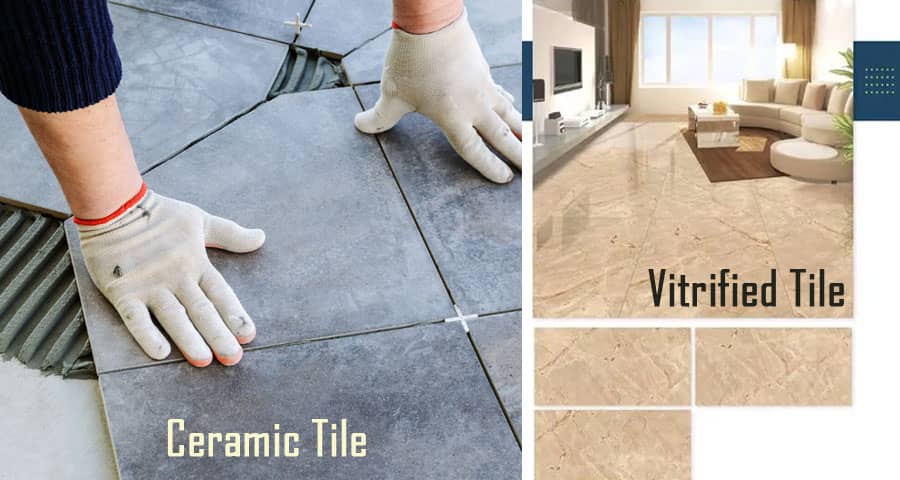
When it comes to selecting the ideal flooring or wall tiling solution, ceramic tiles and vitrified tiles are two of the most popular choices in the construction and interior design world. While they may seem similar at first glance, their differences are significant and can greatly impact the durability, appearance, maintenance, and overall cost of your project.
What are Ceramic Tiles?
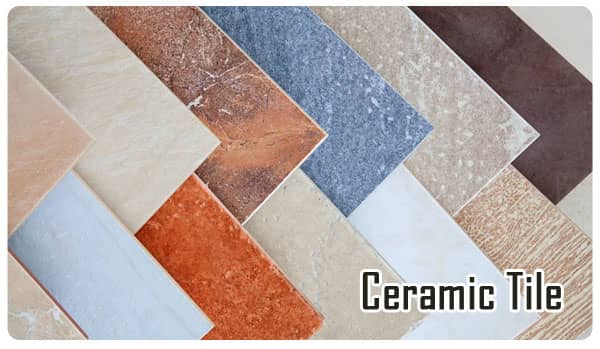
Ceramic tiles are made using a mixture of clay, sand, and natural minerals, which are shaped and then fired in a kiln. These tiles are often glazed to enhance their color, pattern, and resistance to moisture. They come in a wide range of styles, textures, and colors, making them suitable for both wall and floor applications.
Key Features of Ceramic Tiles:
- Porous structure
- Matt or glossy finish
- Ideal for light to moderate traffic areas
- Economical and readily available
- Susceptible to moisture absorption if unglazed
What are Vitrified Tiles?
Vitrified tiles are made by a process called vitrification, which involves fusing clay with silica, quartz, and feldspar at extremely high temperatures. This process creates a non-porous, hard, and glossy surface that is highly durable and resistant to stains and moisture. Vitrified tiles are often preferred for high-traffic areas and commercial spaces.

Key Features of Vitrified Tiles:
- Extremely low water absorption
- High durability and strength
- Glossy, polished finish
- Ideal for both indoor and outdoor use
- More expensive than ceramic tiles
Ceramic Tile vs Vitrified Tile: A Detailed Comparison
1. Manufacturing Process
- Ceramic Tiles: Created by shaping a mixture of clay and other materials and firing it in a kiln. Glazing is applied post-manufacturing.
- Vitrified Tiles: Produced by hydraulic pressing of a mixture of clay, silica, quartz, and feldspar, then fired at very high temperatures to achieve vitrification.
Winner:Vitrified tiles - due to their advanced manufacturing process that ensures superior strength and low porosity.
2. Porosity and Water Absorption
- Ceramic Tiles: Highly porous unless glazed; absorbs more water, which can lead to damage in wet areas.
- Vitrified Tiles: Almost non-porous, with a water absorption rate of less than 0.5%.
Winner:Vitrified tiles - ideal for kitchens, bathrooms, and exterior applications.
3. Durability and Lifespan
- Ceramic Tiles: Suitable for light to moderate traffic; more prone to chipping and cracking.
- Vitrified Tiles: Hard, dense, and suitable for heavy traffic; highly resistant to wear and tear.
Winner:Vitrified tiles - offer greater strength and longer lifespan.
4. Surface Finish and Aesthetics
- Ceramic Tiles: Available in a wide variety of colors and designs. The glazed surface can be glossy or matt.
- Vitrified Tiles: Usually have a polished, glossy finish with fewer design options but offer a sleek modern look.
Winner:Depends on aesthetic preference - Ceramic tiles for traditional, vivid patterns; Vitrified tiles for sleek, contemporary looks.
5. Maintenance and Cleaning
- Ceramic Tiles: Require regular maintenance, especially unglazed ones, which can accumulate stains.
- Vitrified Tiles: Easy to clean and maintain due to their non-porous and stain-resistant surface.
Winner:Vitrified tiles - far easier to maintain over time.
6. Slip Resistance
- Ceramic Tiles: Offer better grip, especially in their matt or textured variants.
- Vitrified Tiles: Polished vitrified tiles can be slippery when wet.
Winner:Ceramic tiles - better for wet areas like bathrooms if slip resistance is a priority.
7. Cost Comparison
- Ceramic Tiles: Generally more affordable, ranging from ?30 to ?150 per sq. ft.
- Vitrified Tiles: More expensive, ranging from ?60 to ?250 per sq. ft., depending on type and finish.
Winner:Ceramic tiles - budget-friendly option for standard home interiors.
8. Installation
- Ceramic Tiles: Easy to cut and install, even for DIY enthusiasts.
- Vitrified Tiles: Heavier and require skilled labor and advanced tools for installation.
Winner:Ceramic tiles - quicker and more cost-effective to install.
9. Environmental Impact
- Ceramic Tiles: Often considered eco-friendlier due to simpler manufacturing and lower energy consumption.
- Vitrified Tiles: Higher carbon footprint due to energy-intensive vitrification.
Winner:Ceramic tiles - more sustainable choice.
Use Cases: Where Each Tile Excels
Best Uses for Ceramic Tiles:
- Interior walls and floors
- Light traffic areas such as bedrooms or living rooms
- Bathroom walls (preferably glazed)
- Decorative spaces needing intricate designs
Best Uses for Vitrified Tiles:
- High-traffic commercial and residential floors
- Outdoor areas like balconies, terraces
- Kitchens, hallways, and bathrooms
- Office spaces and lobbies
Types of Vitrified Tiles Available
Understanding the subtypes of vitrified tiles can help tailor your selection:
- Full Body Vitrified Tiles - Uniform color throughout, ideal for heavy-use areas.
- Double Charged Vitrified Tiles - Thicker top layer, suitable for commercial use.
- Glazed Vitrified Tiles (GVT) - Offer more design and texture options.
- Polished Glazed Vitrified Tiles (PGVT) - High gloss, premium look, but may be slippery.
Conclusion: Which Tile is Right for You?
Choosing between ceramic and vitrified tiles depends on your specific needs:
For budget-friendly, aesthetic, and low-traffic areas - ceramic tiles are a suitable choice.
For durability, low maintenance, and high-traffic or wet areas - vitrified tiles are superior.
Evaluate your priorities - budget, foot traffic, moisture exposure, and design preference - to make the most suitable decision for your home or commercial project.
Please watch the following short video for Difference Between Ceramic Tile and Vitrified Tile