
Difference between Strip Footings & Pad Footings
The Ultimate Guide To Start a Construction Company in 2022
You need to know about Stone Stairs
How to Design a RCC Cantilever Beam?
Road Estimator & Its Features
Success of Your Project using Connected Construction
Brief Note Calculate Weight of Steel
2400 sq ft RCC Roof Slab
Retaining Wall
Ideas to Quality for Brick Masonry
Steps in Building a House
Quality Tests on Stones and its types
Green Buildings - The Future of Construction
Create Templates in AutoCAD
Some useful tips for reinforcement detailing
Pitched Roof Design and Types
Fineness test of Cement
Surface Drainage Systems
Executive Summary of Intelligent Compaction
Bridge Abutment and Its Types
Building Foundations and its types
A Brief Note on Making a Manhole
Uses of Roofs and Its Types
Consider before your dream building
Some Vital Guidelines to Erect a Bridge
Cutting Length of Stirrups with different Shapes
Maximum bearing capacity of various types of soil
Types of Heavy Equipment used for Construction
A Floor Column's Bar Bending Schedule
Opens the World's Largest Canal Locks in Netherlands
Unsung Hero of Fire Damage Restoration Services
Heliports and Its Types
What You Need to Know about Your Own Fence
Bond Breaker Construction in Under 10 Minutes
Hydrogen Power for the Construction Industry
Pointing in Brick masonry and types
Crack Repairs and Epoxy Injection Techniques
Need to Know about Calacatta Marbles Made Simple
MDF Wood and Its Types
Plinth Beam and its Purpose
A Brief Guide to Rebar Support and Chair
How to Install a Toilet Properly
Purpose & Construction of a Cavity Wall
Design and analysis of Retaining Wall
Different types of BBS shape codes for steel
Differs between beam and lintel as per structural
Top Tips for Crushing Your Vibration Risks in Construction
Build a Solar Access Plan for your Building Site
What Are Some Effective Methods for Constructing a Portable Cabin?
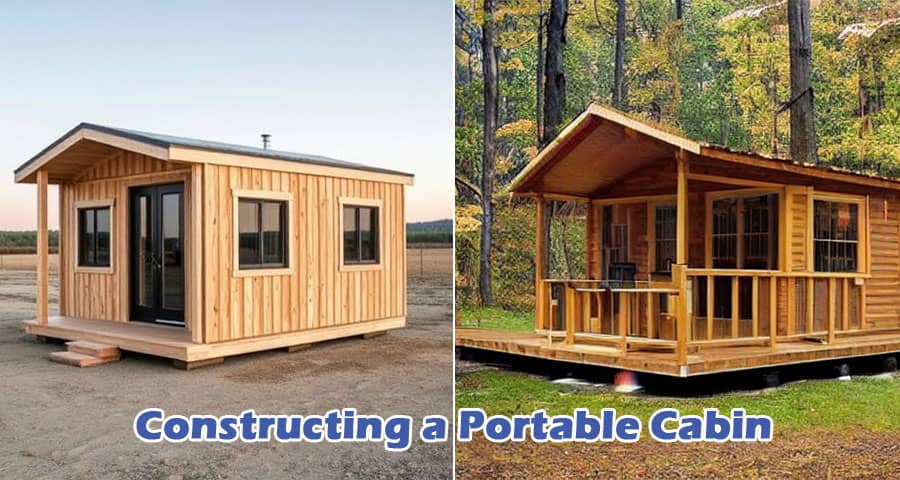
Portable cabins, also known as modular or prefab cabins, are becoming increasingly popular due to their versatility, cost-effectiveness, and ease of construction. Whether you're building a portable office, a vacation retreat, or a temporary residence, constructing a portable cabin requires careful planning and efficient methods.
1. Planning and Design: The Foundation of Your Portable Cabin
- Understand Your Requirements: Before starting construction, identify the primary purpose of the cabin. Will it be used as a workspace, living quarters, or storage? Your intended use will influence the size, design, and materials required.
- Create a Detailed Blueprint: Invest time in drafting a comprehensive blueprint. Include floor plans, electrical layouts, and plumbing designs. Software tools like AutoCAD can help create precise designs that align with your needs.
- Choose the Right Location: Scout for a suitable site. Consider factors like accessibility, terrain, and proximity to utilities. Ensure the site is leveled and has proper drainage to avoid issues in the future.
2. Selecting High-Quality Materials for Durability
- Lightweight and Sturdy Materials: Portable cabins need to be light enough for transportation but robust enough to withstand environmental conditions. Materials like steel, aluminum, and wood composites are excellent choices.
- Insulation for Comfort: Use high-quality insulation materials such as polyurethane foam or fiberglass to maintain temperature control and reduce energy consumption.
- Weatherproofing Materials: Ensure the cabin is weatherproof by using water-resistant coatings, roofing membranes, and durable siding materials like vinyl or metal.
3. Modular Construction: Efficient and Flexible
- Pre-Fabricated Components: Opt for modular construction by assembling pre-fabricated panels and sections. This approach reduces construction time and allows for easy customization.
- Interlocking Systems: Use interlocking systems for walls, floors, and roofs. These systems ensure a secure fit and simplify the assembly process.
- Transportable Units: Construct the cabin in transportable units that can be easily moved and reassembled at the desired location.
4. Framing and Structural Integrity
- Steel or Timber Frames: Choose between steel or timber frames based on your budget and requirements. Steel frames are durable and resistant to pests, while timber frames offer a natural aesthetic.
- Reinforced Joints: Ensure the joints are reinforced with bolts, screws, and brackets to enhance the structural integrity of the cabin.
- Weight Distribution: Distribute the weight evenly across the base to maintain balance during transportation and placement.
5. Electrical and Plumbing Systems
- Pre-Install Systems: Pre-install electrical wiring and plumbing systems in the panels before assembly. This saves time and ensures precision.
- Use Flexible Conduits: Flexible conduits and pipes are ideal for portable cabins as they adapt well to movement and reassembly.
- Safety Standards: Adhere to safety standards for wiring and plumbing to avoid potential hazards.
6. Interior Design and Space Optimization
- Multi-Functional Furniture: Incorporate foldable and multi-functional furniture to maximize space in smaller cabins.
- Efficient Storage Solutions: Use vertical storage options such as wall-mounted shelves and cabinets to keep the interior organized.
- Natural Lighting: Install large windows and skylights to enhance natural lighting, reducing the need for artificial light during the day.
7. Sustainable and Eco-Friendly Features
- Solar Panels: Install solar panels for a renewable energy source. This not only reduces environmental impact but also lowers utility costs.
- Rainwater Harvesting Systems: Integrate rainwater harvesting systems for water conservation.
- Recyclable Materials: Use recyclable and eco-friendly materials to minimize waste during construction.
8. Transportation and Assembly
- Choose the Right Transport Method: Transport the cabin using flatbed trucks or trailers. Ensure the components are securely fastened to prevent damage during transit.
- On-Site Assembly: Once the components arrive at the site, follow the blueprint to assemble the cabin step by step. Use professional tools and equipment to ensure precision.
- Inspection and Quality Checks: After assembly, conduct a thorough inspection to ensure all connections are secure, and the cabin meets safety and quality standards.
9. Maintenance and Longevity
- Regular Inspections: Inspect the cabin regularly for signs of wear and tear, such as leaks or structural issues.
- Protective Coatings: Apply protective coatings to prevent rust, corrosion, and decay.
- Upgrade Systems: Keep the electrical and plumbing systems up to date to ensure efficiency and safety.
Constructing a portable cabin is a practical and rewarding endeavor when executed with careful planning and effective methods. By following these steps, you can create a portable cabin that is not only functional but also aesthetically pleasing and sustainable.
Please watch the following Short Video
Structural analysis & steel structure design with LTBeam
The various concepts and procedures of Tremix Flooring
Top 5 affects the Construction Industry because of Inflation
Online 2D Floor Plans and Designs
Various types of Cement you need to know
Spread Footing is what you need to know
Coffered Ceiling: Design your beloved home in a unique way
Flagstone: Choose your stone in effective way for Home Decoration
A Guide instruct to Lay Pipe Culverts
Techniques to Repair Damaged Brick Walls
Know everything about Bow Window
Steps to apply Floor load in Staad pro
Importance of the Construction of the Check Dams
Know about Columns and its types
Sustainability shape bridge construction