
The Concept Behind Biomimicry in Construction
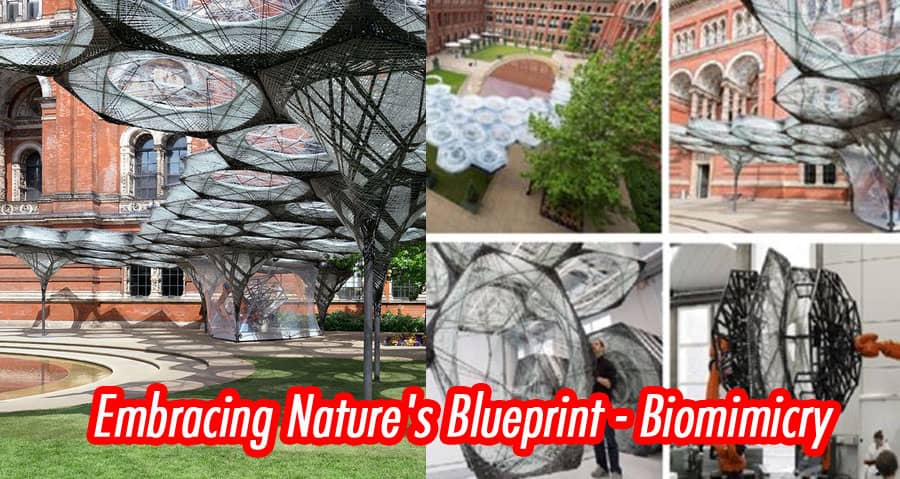
Biomimicry, a concept deeply rooted in observing and emulating nature's design principles, has emerged as a revolutionary force in the field of construction. This article delves into the profound impact of biomimicry on architectural innovation, exploring its transformative potential and multifaceted applications.
Introduction to Biomimicry
Defining Biomimicry
At its core, biomimicry involves mimicking nature's patterns, structures, and strategies to solve human challenges, drawing inspiration from millions of years of evolutionary fine-tuning.
History and Evolution
The roots of biomimicry trace back to ancient civilizations, but its formal recognition and integration into modern science emerged in the latter half of the 20th century.
The Role of Biomimicry in Construction
- Innovations in Architecture: Biomimetic designs have redefined architecture, introducing innovative solutions that integrate seamlessly with the environment while enhancing functionality and sustainability.
- Advantages Over Traditional Methods: Compared to conventional construction approaches, biomimicry offers superior resilience, efficiency, and adaptability by embracing nature's time-tested strategies.
Conclusion
In conclusion, the transformative potential of biomimicry in construction transcends mere innovation; it embodies a harmonious relationship between human creativity and nature's wisdom. Embracing nature's blueprint not only revolutionizes construction practices but also nurtures a sustainable future where humanity thrives in harmony with the natural world.
Unique FAQs
Is biomimicry limited to architecture and construction?
Biomimicry transcends sectors, influencing diverse fields such as medicine, transportation, and energy production. While its applications in architecture are prominent, its principles offer insights across various industries.
What challenges hinder the widespread adoption of biomimicry in construction?
Challenges encompass technological limitations, integration complexities, and the need for widespread education. Additionally, the transition from traditional methodologies to biomimetic approaches requires a shift in mindset and investment in research.
How does biomimicry contribute to reducing environmental impact?
Biomimetic designs often prioritize sustainability by minimizing resource consumption, optimizing energy efficiency, and reducing waste generation. These approaches align with nature's efficient processes, mitigating the environmental footprint of construction.
Are there regulatory frameworks governing the ethical use of biomimicry in construction?
While specific regulations might be limited, ethical guidelines emphasizing sustainable practices and respect for ecosystems exist within professional bodies and organizations advocating for biomimicry.
Can small-scale projects benefit from biomimetic design principles?
Absolutely. Biomimicry principles can be scaled to suit projects of varying sizes, offering innovative solutions irrespective of the project's scope. Small-scale initiatives can leverage nature-inspired designs for sustainable and efficient outcomes.