
Hail Damage to Asphalt Shingles: What You Need to Know

Hailstorms are among the most destructive natural events affecting residential and commercial roofs across the United States. Asphalt shingles, though durable and cost-effective, are particularly vulnerable to hail impact. Identifying, assessing, and repairing hail damage to asphalt shingles is crucial to preserving the integrity of your roofing system and preventing long-term structural problems.
What Does Hail Damage Look Like on Asphalt Shingles?
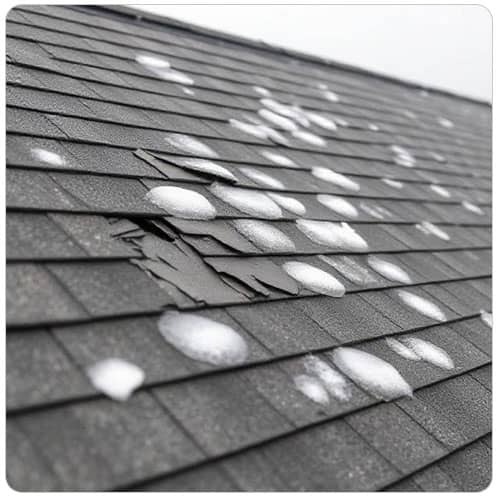
Hail damage to asphalt shingles can be subtle or severe, depending on hail size, wind speed, roof slope, and the age of the shingles. The most common signs include:
- Dark spots or bruises where granules are missing
- Indentations or dents that feel soft to the touch
- Cracked or broken shingles exposing the underlying layers
- Granule accumulation in gutters or downspouts
- Random patterns of damage, not in straight lines or organized areas
Unlike typical wear-and-tear, hail damage often appears in irregular clusters, making it difficult to detect without a thorough inspection.
How Hail Size Affects Shingle Damage
The severity of hail damage is directly proportional to the size of the hailstones:
- Pea-sized hail (1/4 inch): Usually cosmetic, but can weaken older shingles
- Marble-sized hail (1/2 inch): Can loosen granules and create soft spots
- Quarter to golf ball-sized hail (1 - 1.75 inches): Likely to cause bruising, cracks, and expose the fiberglass mat
- Larger than 2 inches: May penetrate shingles entirely, leading to roof leaks and water intrusion
Hail combined with high wind speeds can intensify the impact, causing shingle uplift and exposing underlayment or decking.
Short-Term and Long-Term Effects of Hail Damage
In the short term, hail damage may not appear urgent. However, even minor granule loss can accelerate UV degradation of the asphalt layer beneath. Over time, this leads to:
- Premature aging of the shingles
- Water infiltration into the roof decking
- Mold and mildew growth in attic spaces
- Structural wood rot
- Increased energy bills due to reduced insulation performance
Unchecked hail damage can void roofing warranties and reduce property value. Early detection is critical.
How to Inspect for Hail Damage
A proper hail damage inspection requires attention to both the roof surface and the surrounding components. Focus on:
1. Roof Shingles
- Look for granule loss, dark spots, tears, and bruises
- Feel for soft indentations that signal hidden fractures
2. Gutters and Downspouts
- Check for dents and bent metal
- Look inside for excess granules signaling shingle wear
3. Roof Flashing and Vents
- Inspect for dings or holes
- Ensure flashing seals are intact
4. Siding and Windows
- Hail often causes collateral damage to siding, screens, and trim
- This supports a claim if roofing damage isn't immediately visible
Always document the damage with high-resolution photos and, if possible, a drone inspection to safely cover the full roof area.
Should You File an Insurance Claim for Hail Damage?
Most homeowner insurance policies cover hail damage under the dwelling protection clause. However, filing a successful claim depends on:
- The extent of visible damage
- The time since the hailstorm
- The type of policy (replacement cost vs. actual cash value)
Steps to File a Claim:
- Inspect your roof immediately after the storm
- Take photos of hailstones, timestamped if possible
- Contact your insurance provider and report the incident
- Schedule an inspection with an insurance adjuster
- Hire a licensed roofing contractor to provide a detailed estimate
Note: Delaying a claim beyond your policy's window (typically 6 - 12 months) may disqualify you from coverage.
Professional vs. DIY Roof Repair: What's Better?
DIY roof repair might be tempting for minor visible damage, but hail can cause deep-layer compromise that's not easily visible to an untrained eye. Hiring a professional roofing contractor ensures:
- Thorough inspection using proper tools
- Accurate damage assessment and documentation
- Manufacturer-grade repairs or full replacement
- Warranty protection for parts and labor
A qualified roofer also provides support during the insurance claims process, ensuring you receive full compensation.
Roof Replacement After Hail Damage
If your roof has widespread or severe hail damage, a complete roof replacement may be necessary. Signs you need a full replacement:
- Shingles are cracked or missing in multiple areas
- Underlayment or decking is exposed or wet
- Multiple past repairs have left the roof compromised
- Insurance provider recommends full replacement
What to Expect During Replacement:
- Tear-off of old shingles
- Inspection and repair of sheathing and underlayment
- Installation of new shingles, vents, flashing, and sealants
- Debris cleanup and disposal
Average replacement cost ranges from $6,000 to $12,000, depending on roof size, slope, materials, and labor rates.
Preventing Future Hail Damage to Asphalt Shingles
While you can't stop hail, you can reduce the risk of damage through strategic choices:
- Install Class 4 impact-resistant shingles, rated for hail protection
- Add roof coatings or sealants for extra weatherproofing
- Schedule annual inspections, especially after storms
- Keep gutters clean and tree limbs trimmed
- Ensure attic ventilation and insulation are optimal
Investing in durable roofing materials and proactive maintenance significantly extends roof lifespan.
Conclusion
Hail damage to asphalt shingles is a serious issue that, if ignored, can lead to costly structural repairs, insurance complications, and property devaluation. Whether you're dealing with minor bruising or full shingle loss, prompt inspection, professional evaluation, and smart decision-making are essential. Don't leave your home vulnerable - address hail damage proactively and protect your investment.
Please watch the following short video for Hail Damage to Asphalt Shingles
Also Read:
 Online 2D Floor Plans and Designs