
Hempcrete Blocks: Applications, Advantages & Disadvantages

Hempcrete blocks are gaining global attention as an innovative, eco-friendly construction material. Composed of the woody core of the hemp plant (shiv or hurd) mixed with a lime-based binder, these blocks provide an exceptional balance of sustainability, thermal performance, and structural capabilities.
What Are Hempcrete Blocks?
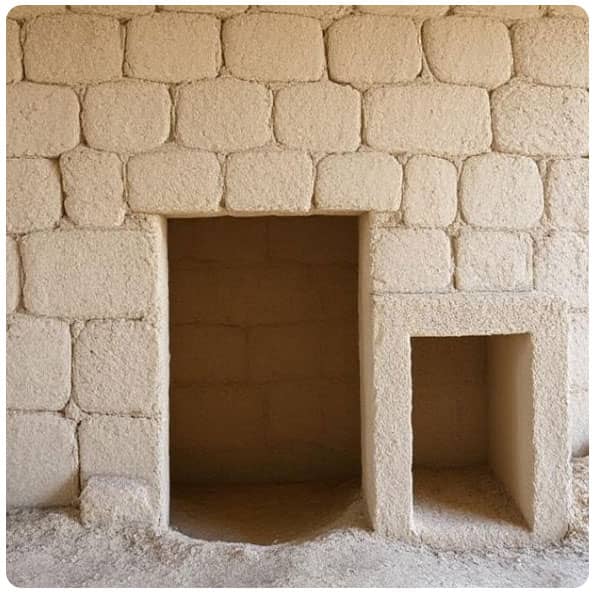
Hempcrete blocks are bio-composite masonry units formed by combining hemp hurds, lime, and water. Unlike traditional concrete, hempcrete is lightweight, breathable, and carbon-negative due to the carbon sequestration properties of hemp during its growth cycle. These blocks offer unique qualities such as natural insulation, moisture regulation, and resistance to pests and fire, making them a sustainable alternative to conventional building materials.
Applications of Hempcrete Blocks in Construction
Residential Buildings
Hempcrete blocks are increasingly used in residential housing projects, especially for low-rise construction. Their lightweight nature reduces the structural load on foundations, and their insulating properties create highly energy-efficient homes with minimal heating and cooling requirements.
Renovation and Retrofitting
In historic building renovations, hempcrete is ideal for replacing or supplementing traditional insulation, thanks to its breathability and moisture control, which help preserve original structures while improving thermal performance.
Commercial and Institutional Structures
Commercial architects specify hempcrete blocks for eco-certified buildings, offices, and educational facilities to meet green building standards. Hempcrete's acoustic insulation enhances indoor comfort by reducing noise pollution.
Internal Partitions and Non-Load-Bearing Walls
While not suitable for load-bearing structural walls alone, hempcrete blocks excel as internal partitions and infill walls within timber or steel frames. Their low density makes installation easy and reduces transportation emissions.
Soundproofing Applications
Hempcrete's porous structure is excellent for sound attenuation, making it a practical solution for spaces requiring acoustic privacy, such as studios, classrooms, and offices.
Advantages of Hempcrete Blocks
Sustainability and Carbon Sequestration
One of the most significant advantages of hempcrete blocks is their exceptional sustainability profile. Hemp absorbs more CO2 during its growth than the carbon emitted in production, making hempcrete a carbon-negative material that helps reduce the carbon footprint of buildings.
Superior Thermal Insulation
Hempcrete provides outstanding thermal performance, with thermal conductivity values as low as 0.06 W/m•K. This leads to substantial energy savings in both hot and cold climates, significantly reducing heating and cooling costs over the building's lifespan.
Excellent Moisture Regulation
Hempcrete's vapor permeability allows buildings to "breathe," regulating humidity and preventing condensation or mold growth. This creates healthier indoor environments and increases the lifespan of structures.
Natural Fire and Pest Resistance
The lime binder in hempcrete makes it fire-resistant, with a Euroclass rating of B-s1-d0. Additionally, hemp's silica content naturally deters pests like termites and rodents, reducing the need for chemical treatments.
Lightweight and Easy to Handle
With a density of 300 - 800 kg/m3, hempcrete blocks are substantially lighter than traditional concrete, simplifying transportation and handling on site, which can speed up construction schedules and lower labor costs.
Low Embodied Energy
The production of hempcrete requires minimal energy input, especially compared to high-temperature cement manufacturing. This leads to lower embodied energy and a reduced environmental impact.
Acoustic Insulation
Hempcrete's porous matrix absorbs sound, providing effective acoustic insulation that enhances occupant comfort in residential and commercial spaces.
Disadvantages of Hempcrete Blocks
Limited Structural Capacity
Hempcrete blocks are non-load-bearing, which means they cannot replace concrete or brick in supporting major structural loads. Hempcrete must be used in combination with structural frames such as timber, steel, or reinforced concrete.
Long Drying Time
Due to its high moisture content during casting, hempcrete can require several weeks to months to dry and cure fully, depending on wall thickness, climate, and ventilation. This can delay project timelines if not planned carefully.
Higher Initial Costs
Though hempcrete leads to long-term energy savings, the initial cost of materials and specialized labor can be higher than traditional masonry, making it less appealing to budget-conscious developers.
Limited Local Availability
In many regions, hemp cultivation and processing infrastructure are underdeveloped, leading to supply chain constraints and additional shipping costs that reduce the material's cost-effectiveness and sustainability benefits.
Lack of Standardized Codes
Hempcrete construction methods are not yet widely recognized in national or international building codes, complicating approval processes, especially for larger commercial or institutional projects.
Conclusion
Hempcrete blocks represent a transformative opportunity for sustainable construction, offering impressive thermal insulation, moisture control, and eco-friendly credentials. While they have limitations in load-bearing capacity and drying time, their advantages far outweigh the drawbacks for applications such as non-load-bearing walls, renovations, and energy-efficient building envelopes.
By integrating hempcrete into new or existing projects, we can contribute to reducing carbon emissions, improving indoor comfort, and promoting sustainable construction practices. As research advances and building codes evolve, hempcrete is poised to become an essential component in the future of green architecture.
Please wathe the following short video for Hempcrete Blocks