
The Importance of Hiring Military Veterans in Construction: What are the reasons?
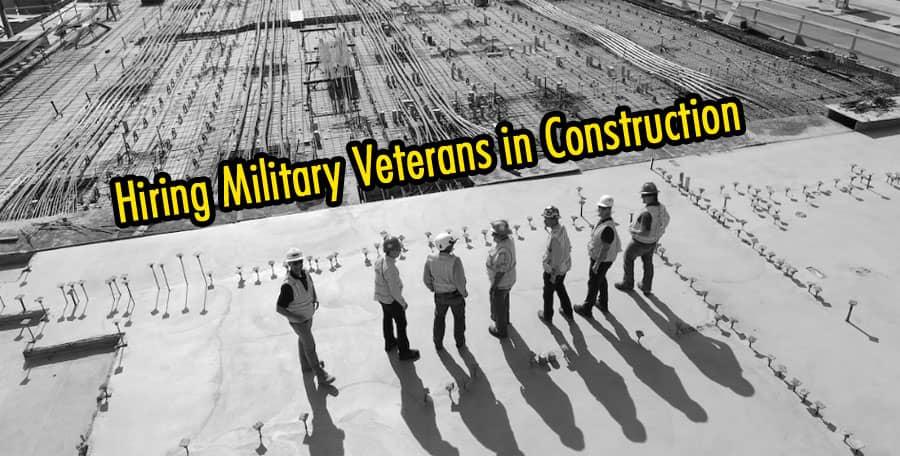
When it comes to hiring in the construction industry, military veterans are often overlooked. This is a shame, as veterans possess a unique skill set that is highly valued in the construction industry. In this article, we will explore the importance of hiring military veterans in construction and the reasons why veterans are so valuable to the industry.
Introduction
The construction industry is one of the largest employers in the United States, and it is projected to grow significantly in the coming years. However, the industry is facing a shortage of skilled workers, which is making it difficult for employers to find the talent they need to keep up with demand. This is where military veterans come in.
The Skills that Military Veterans Bring to Construction
Military veterans possess a wide range of skills that are highly valued in the construction industry. These skills include:
Discipline and Work Ethic
Military veterans have been trained to work hard and to follow rules and procedures. This discipline and work ethic translates well to the construction industry, where workers must often work long hours and follow strict safety protocols.
Leadership
Many veterans have experience leading teams of soldiers, sailors, or airmen. This experience can be invaluable in the construction industry, where project managers must lead teams of workers to complete complex projects on time and on budget.
Problem-Solving
Veterans are often trained to think on their feet and to solve problems quickly and efficiently. This is a valuable skill in the construction industry, where unforeseen problems can arise on a daily basis.
Technical Skills
Many veterans possess technical skills that are highly valued in the construction industry. For example, veterans who worked in the military as engineers or electricians can bring their technical expertise to the construction industry.
The Benefits of Hiring Military Veterans in Construction
There are many benefits to hiring military veterans in the construction industry. These benefits include:
Reduced Training Costs
Because veterans possess many of the skills needed in the construction industry, they often require less training than other workers. This can save employers time and money on training costs.
Reduced Turnover
Military veterans tend to have lower turnover rates than other workers. This is because they are often more committed to their jobs and are less likely to leave for another opportunity.
Improved Safety
Veterans are often trained in safety procedures and are more likely to follow safety protocols than other workers. This can lead to a safer work environment for everyone on the job site.
Increased Productivity
Because veterans possess many of the skills needed in the construction industry and are often highly motivated workers, they can be more productive than other workers.
The Challenges of Hiring Military Veterans in Construction
While there are many benefits to hiring military veterans in the construction industry, there are also some challenges that employers may face. These challenges include:
Lack of Relevant Experience
While veterans may possess many valuable skills, they may not have direct experience in the construction industry. This can make it difficult for employers to assess their ability to perform specific tasks.
Physical Limitations
Some veterans may have physical limitations that could make it difficult for them to perform certain tasks in the construction industry. Employers must be aware of these limitations and make accommodations as needed.
Difficulty Adjusting to Civilian Life
Some veterans may struggle to adjust to civilian life after leaving the military. This can lead to challenges in the workplace, including difficulty working with others or adjusting to the demands of the job.