
Mighty Excavator: Unearthing the Power Beneath
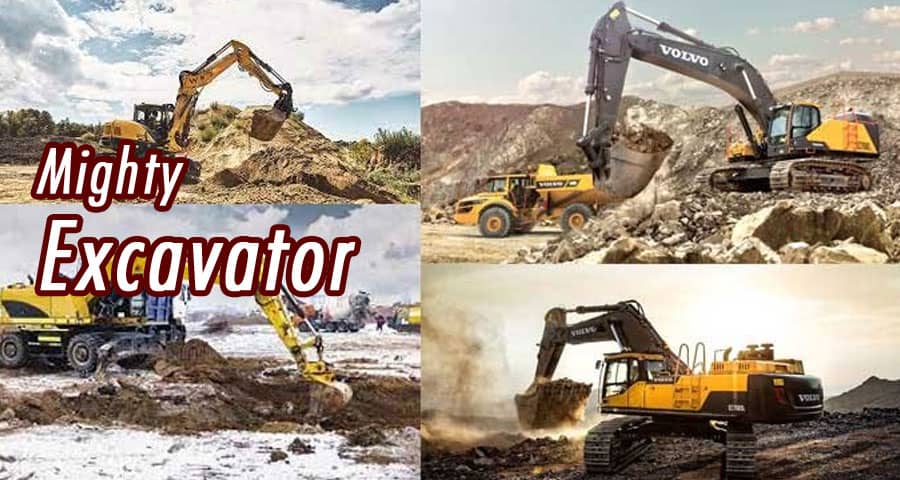
The Mighty Excavator
The excavator is one of the most versatile and powerful machines on the construction site. With its rotating boom, bucket, and arm, it can perform a wide range of tasks, from earthmoving and digging to demolition and material handling.
Excavators are typically powered by diesel engines and can lift and move objects weighing several tons. They come in a variety of sizes, from small machines that can fit in tight spaces to giant excavators that can handle large-scale projects.
Excavators are used in a wide range of construction projects, including:
- Earthmoving: Excavators are used to excavate soil, sand, and rock for a variety of purposes, such as building foundations, roads, and bridges.
- Digging: Excavators can dig trenches, pits, and other holes for a variety of purposes, such as installing utilities, building foundations, and excavating for archaeological sites.
- Demolition: Excavators can be used to demolish buildings, bridges, and other structures.
- Material handling: Excavators can be used to load and unload trucks, move materials around a construction site, and place materials in specific locations.
In addition to their construction applications, excavators are also used in a variety of other industries, including mining, forestry, and agriculture.
Benefits of excavators
Excavators offer a number of benefits over other construction equipment, including:
- Versatility: Excavators can be used for a wide range of tasks, making them a valuable asset on any construction site.
- Power: Excavators are very powerful machines, capable of lifting and moving heavy objects.
- Precision: Excavators can be used with great precision, making them ideal for tasks such as demolition and material handling.
- Safety: Excavators are relatively safe machines to operate, thanks to their operator cabs and other safety features.
Evolution of the excavator
Excavators have evolved significantly over the years, becoming more powerful, versatile, and efficient. Early excavators were steam-powered and had limited capabilities. However, the development of diesel engines and hydraulics led to the development of more powerful and versatile excavators.
Today, excavators are equipped with a variety of advanced features, such as GPS guidance, remote control operation, and load sensing hydraulics. These features make excavators even more efficient and productive.
The future of the excavator
Excavators are likely to continue to evolve in the future, becoming even more powerful, versatile, and efficient. Some of the trends that we may see include:
- Increased use of automation: Excavators are increasingly being equipped with automated features, such as GPS guidance and remote control operation. This will allow excavators to be operated more efficiently and safely.
- Development of new technologies: New technologies, such as artificial intelligence and machine learning, are being developed that could revolutionize the way excavators are operated and used.
Excavators are essential tools for the construction industry and will continue to play an important role in building the world around us.
Conclusion
The mighty excavator, a symbol of human ingenuity, continues to shape our world. From its humble beginnings to its high-tech future, it stands as a testament to our ability to harness technology for progress.
FAQs
How much does an excavator weigh on average?
The weight of an excavator varies, but they can weigh anywhere from a few tons to over 100 tons, depending on their size and purpose.
What is the maximum depth an excavator can dig?
Excavators can dig to various depths, with some specialized machines reaching depths of up to 60 feet or more.
Are excavators dangerous to operate?
Like any heavy machinery, excavators can be dangerous if not operated correctly. Skilled and trained operators are essential to ensure safety.
What is the lifespan of an excavator?
With proper maintenance, excavators can have a lifespan of 10 to 20 years or more, depending on usage and conditions.
Are there miniature versions of excavators available for personal use?
Yes, there are smaller excavators designed for personal or small-scale use, such as in landscaping or farming.