
How to Remove Stains from Wood?
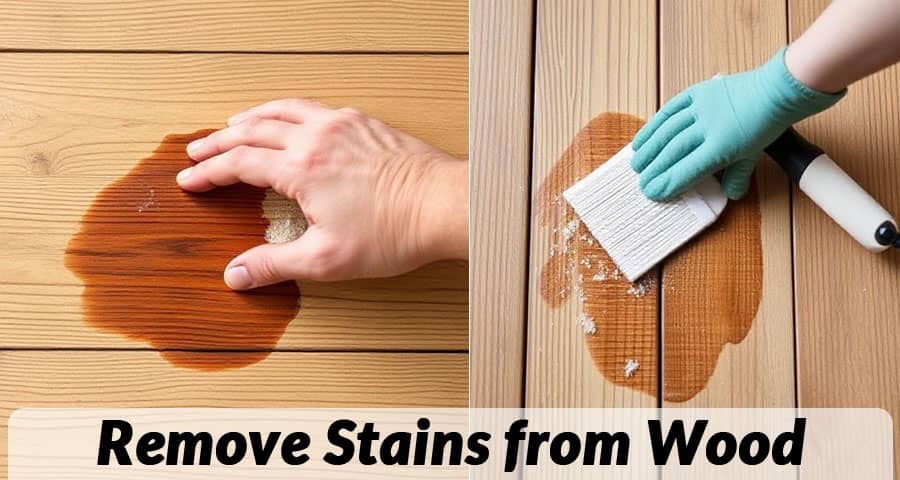
Wooden furniture and surfaces add warmth and elegance to any home. However, over time, unsightly stains from water, heat, ink, grease, or food can tarnish the appearance of even the finest wood.
Understanding the Type of Wood Stain
Before proceeding with stain removal, it's essential to identify the type of stain. Different stains require different treatment methods. Here are the common types:
- Water Stains: Usually appear as white rings or cloudy patches caused by moisture trapped beneath the finish.
- Heat Marks: White spots or haze resulting from hot objects placed on wood.
- Dark Stains: Often caused by water penetrating the finish or by spills from liquids like coffee or wine.
- Ink or Dye Stains: Intense black or colored blotches from pens, markers, or dyed fabrics.
- Grease or Oil Stains: Caused by food, body oils, or lubricants, often dark and sticky.
How to Remove White Water Rings from Wood
1. Use a Clothes Iron
- Set a dry iron to low heat.
- Place a cotton cloth or t-shirt over the water ring.
- Gently iron over the cloth for 10 - 15 seconds.
- Lift the cloth and inspect. Repeat until the ring fades.
2. Apply Petroleum Jelly
- Rub a generous amount of petroleum jelly (like Vaseline) over the stain.
- Let it sit overnight.
- Wipe off the jelly in the morning with a soft cloth.
- Buff the area with furniture polish.
3. Try a Hair Dryer
- Set a hair dryer to medium heat.
- Aim the nozzle at the stain, keeping a distance of 6 - 8 inches.
- Move in circular motions while wiping the area occasionally.
- As heat evaporates moisture, the white ring should disappear.
How to Remove Heat Stains from Wood
1. Baking Soda and Toothpaste Mix
- Mix equal parts baking soda and non-gel toothpaste.
- Use a soft cloth to gently rub the mixture over the mark.
- Wipe with a clean, damp cloth.
- Dry and polish with furniture wax.
2. Steel Wool and Lemon Oil
- Only for sturdy, finished wood.
- Dip 0000-grade (ultra-fine) steel wool in lemon oil.
- Gently rub along the grain of the wood.
- Buff with a dry cloth.
How to Remove Dark Water Stains from Wood
1. Bleach the Stain
- Use wood bleach (oxalic acid) for dark water spots.
- Mix according to package instructions and apply with a brush.
- Let it sit for several hours or overnight.
- Rinse and let dry completely.
- Lightly sand and refinish if needed.
2. Vinegar and Baking Soda Paste
- Combine white vinegar and baking soda to form a thick paste.
- Spread on the stain and allow it to sit for an hour.
- Scrub gently with a soft brush.
- Wipe clean with a damp cloth.
How to Remove Ink Stains from Wood
1. Rubbing Alcohol or Acetone
- Dampen a cotton swab with rubbing alcohol or nail polish remover.
- Dab the ink-stained area lightly. Avoid excessive rubbing.
- Follow up with a damp cloth to remove any residue.
- Polish the area for a clean finish.
2. Sand and Refinish (For Deep Ink Stains)
- Use fine-grit sandpaper to carefully sand down the stained area.
- Remove all traces of ink.
- Wipe clean and apply matching wood stain and finish.
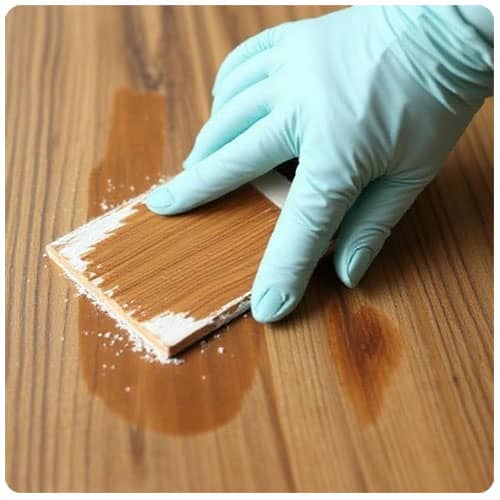
How to Remove Grease and Oil Stains from Wood
1. Baking Soda Absorption
- Sprinkle baking soda directly on the grease stain.
- Let it sit for several hours or overnight.
- Wipe off with a damp cloth.
- Buff the area to restore the finish.
2. Dish Soap and Warm Water
- Mix a few drops of grease-cutting dish soap with warm water.
- Dip a clean cloth and blot the stain.
- Rinse with a damp cloth and dry with a towel.
3. Cornstarch Method
- Sprinkle cornstarch over the oil-stained area.
- Leave it for at least 8 hours to absorb the oil.
- Vacuum or brush away the powder.
- Wipe with a slightly damp cloth.
How to Remove Dye or Colored Beverage Stains
1. Hydrogen Peroxide Application
- Dip a cotton ball in 3% hydrogen peroxide.
- Dab onto the stained area and let it sit for 5 - 10 minutes.
- Wipe off with a clean cloth.
- Repeat if necessary, but avoid over-saturation.
2. Sanding and Refinishing
- For deep-set stains, gently sand the stained area.
- Use matching wood stain to blend with the rest of the surface.
- Apply a protective top coat to seal the finish.
Restoring and Protecting Wood After Stain Removal
Once you've successfully removed the stain, it's essential to restore and protect the wood:
Polishing
- Apply a high-quality wood polish or wax.
- Buff with a microfiber cloth for a glossy finish.
Sealing
- If you've sanded and refinished, apply a clear polyurethane sealer or varnish.
- This helps protect the wood from future stains.
Prevention Tips
- Use coasters, placemats, and trivets to protect wood surfaces.
- Clean spills immediately to prevent absorption.
- Reapply wood conditioner or oil every few months to keep surfaces nourished.
When to Call a Professional
For antique furniture, valuable wooden pieces, or extensive damage, it's best to consult a professional restorer. Improper handling may result in permanent damage or reduce the item's value.
Conclusion
Removing stains from wood may require a bit of patience and the right technique, but with careful handling and proper maintenance, your wooden surfaces can remain beautiful and functional for years to come. Whether dealing with a minor water ring or a deep-set ink blotch, there's a method that can bring your wood back to life.
Please watch the short video for Remove Stains from Wood
Also Read:
 Cost Effective techniques in construction