
What Does It Cost To Transport construction Equipment Cross country
Introduction
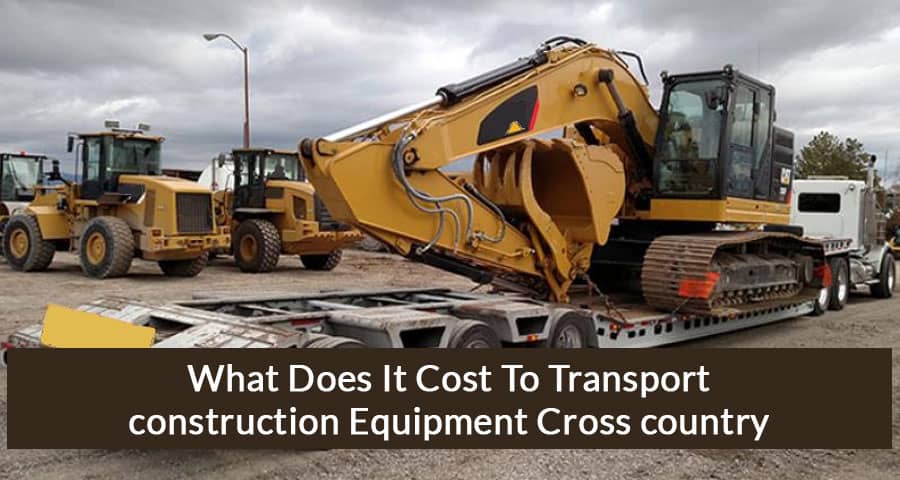
Transporting construction equipment cross country is a common necessity in the construction industry. Whether you're moving excavators, bulldozers, or cranes, the logistics and costs involved can be substantial.
Understanding the Variables
- Equipment Size and Weight: The size and weight of your construction equipment play a pivotal role in determining transportation costs. Heavier and larger machinery often require specialized carriers, which can be more expensive.
- Distance Traveled: Naturally, the distance your equipment needs to travel will directly impact the cost. Longer distances mean more fuel, more time, and potentially more permits, all of which contribute to higher expenses.
- Type of Equipment: Different types of construction equipment require different handling methods. Cranes, for example, may need to be disassembled and reassembled, which adds to the cost compared to transporting a compact excavator.
- Transportation Method: Choosing between open-air transport and enclosed transport will affect costs. Enclosed transport provides greater protection but comes at a higher price.
- Timing and Scheduling: The time of year and scheduling can influence transportation costs. Busy seasons or short notice requirements can lead to higher prices.
- Fuel Prices: Fluctuating fuel prices impact transportation costs, so it's essential to stay updated on current fuel rates when planning your equipment transport.
The Cost Breakdown
Equipment Preparation: Before transport, it's crucial to prepare your construction equipment. This involves cleaning, securing loose parts, and ensuring that the machinery is in optimal condition for transport. While this step incurs upfront costs, it can prevent damage during transit, ultimately saving you money.
- Transport Insurance: Investing in comprehensive transport insurance is highly recommended. The cost will depend on the value of your equipment but is a necessary expense to protect against any unforeseen accidents or damage during transit.
- Loading and Unloading: Loading and unloading your construction equipment require specialized equipment and skilled operators. These services come at a cost, and the complexity of the machinery will influence the price.
- Permits and Regulations: Cross-country transportation often requires permits and compliance with various regulations. This can entail administrative expenses and potential fines for non-compliance.
- Route and Accessibility: The chosen route and the accessibility of your destination also affect costs. Difficult terrains or remote locations may require more time and effort to reach, increasing expenses.
- Additional Services: Depending on your needs, you might require additional services, such as escort vehicles or pilot cars for oversized loads. These services come with added costs.
Tips to Save on Transportation Costs
- Plan Ahead: Proper planning allows you to schedule transportation during off-peak seasons and secure better rates.
- Consolidate Shipments: Whenever possible, combine multiple pieces of equipment into one shipment to reduce costs.
- Choose Reputable Carriers: Selecting a reputable transportation company ensures the safe and efficient delivery of your construction equipment. Although it may cost a bit more, the peace of mind is worth it.
Conclusion
Transporting construction equipment cross country is a complex process with various factors influencing the overall cost. To obtain the most accurate estimate, consider the size and weight of your equipment, the distance traveled, transportation method, and other variables mentioned above. By planning ahead, making informed decisions, and prioritizing safety, you can ensure a successful and cost-effective cross-country equipment transport.
FAQs
Can I transport construction equipment cross country without insurance?
While it's possible, it's highly discouraged. Transporting equipment without insurance leaves you vulnerable to significant financial losses in case of accidents or damage during transit.
What's the best time of year for cost-effective equipment transport?
Typically, the off-peak seasons, such as late fall and early spring, offer better rates due to lower demand for transportation services.
Are there any restrictions on transporting oversized equipment cross country?
Yes, there are restrictions and regulations that vary by state. It's crucial to research and comply with these regulations to avoid fines and delays.
How can I find a reliable transportation company for my equipment?
Research and read reviews to find a transportation company with a proven track record of safely and efficiently transporting construction equipment.
Are there any tax benefits associated with cross-country equipment transport?
In some cases, you may be eligible for tax deductions related to equipment transport expenses. Consult with a tax professional for guidance on potential tax benefits.