
What Is Window Glazing and Its Types
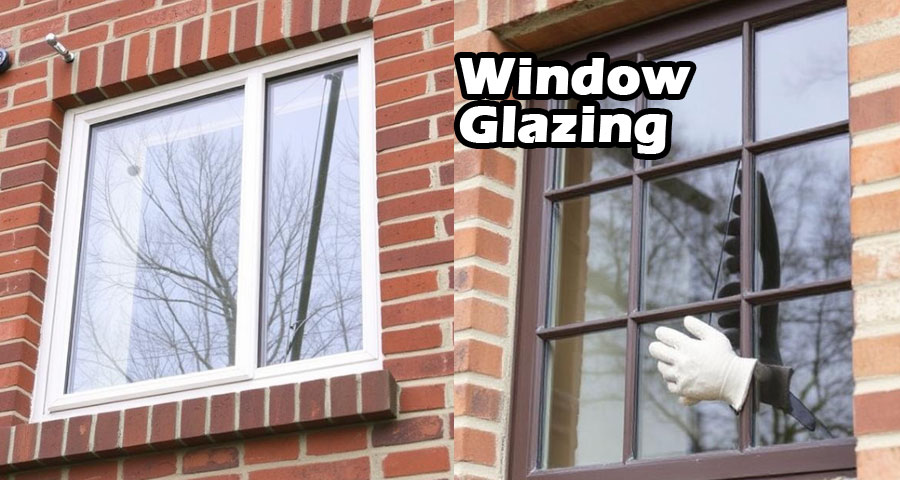
Windows are more than just architectural elements - they are vital components that affect energy efficiency, comfort, acoustics, and security. At the heart of these functions lies window glazing, a critical aspect of any modern or traditional building. Understanding what window glazing is and exploring the various types available can empower us to make informed choices that improve a building's performance and aesthetics.
Understanding Window Glazing
Window glazing refers to the glass or other transparent material fitted within a window frame. Contrary to popular belief, glazing is not the frame itself but the glass panes that provide insulation, clarity, and protection. Modern glazing technologies have evolved far beyond single glass sheets to include complex configurations designed to enhance thermal insulation, noise reduction, and UV control.
Importance of Window Glazing
High-quality window glazing is essential because it directly affects:
- Thermal performance: reducing heat transfer for better indoor climate control.
- Energy efficiency: minimizing heating and cooling costs.
- Sound insulation: dampening external noises.
- Security: offering resistance to impact or forced entry.
- UV protection: blocking harmful ultraviolet rays that can damage interiors.
Choosing the right type of glazing can dramatically improve a building's energy rating and comfort level.
Types of Window Glazing
Single Glazing
Single glazing consists of a single pane of glass, typically 3-6 mm thick. It offers minimal insulation and is best suited for interior partitions, outbuildings, or regions with mild climates. However, single glazing is highly inefficient for areas requiring thermal or acoustic insulation.
Double Glazing
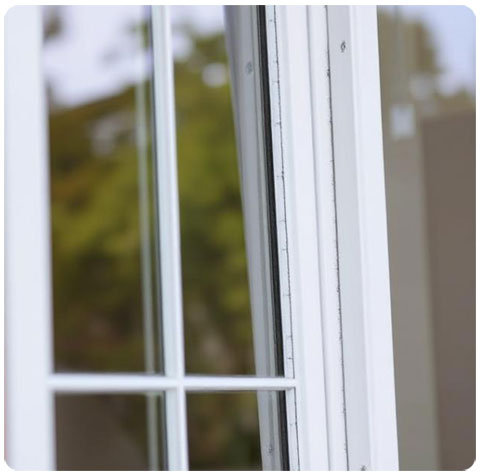
Double glazing, or insulated glass units (IGUs), features two panes of glass separated by a spacer filled with air or inert gas like argon. This creates an insulating barrier that significantly reduces heat transfer and noise infiltration. Double glazing is the industry standard for residential and commercial properties seeking improved energy efficiency.
Key advantages include:
- Enhanced thermal insulation.
- Reduced condensation.
- Better soundproofing.
Triple Glazing
Triple glazing uses three panes of glass with two insulating air or gas-filled spaces in between. It provides superior thermal performance, ideal for cold climates where maximum heat retention is necessary. Triple glazing can achieve U-values (measure of heat transfer) as low as 0.8 W/m2K, offering significant energy savings.
Low-E Glazing
Low-emissivity (Low-E) glazing features a microscopically thin metallic coating on one of the glass surfaces, reflecting infrared heat while allowing visible light to pass through. This keeps interiors warmer in winter and cooler in summer without compromising natural light.
Benefits of Low-E glazing:
- Improved energy efficiency.
- Reduced fading of interior furnishings.
- Lower heating and cooling costs.
Laminated Glazing
Laminated glazing consists of two or more glass layers bonded with a polyvinyl butyral (PVB) interlayer. When shattered, the glass sticks to the interlayer, providing excellent safety and security. Laminated glass also reduces noise and offers UV protection.
Common applications:
- Skylights.
- Shopfronts.
- Soundproof windows.
- Hurricane-resistant glazing.
Tempered Glazing
Tempered glazing, also known as toughened glass, is heat-treated to increase its strength by up to five times compared to standard glass. When broken, it crumbles into small, blunt pieces instead of sharp shards, making it a safer choice for:
- Doors.
- Shower enclosures.
- Balcony windows.
- Automotive windows.
Acoustic Glazing
Acoustic glazing utilizes multiple panes of varying thicknesses, sometimes with laminated interlayers, specifically designed to dampen noise. It is the perfect solution for properties near airports, railways, or busy roads.
Features include:
- Reduction in decibel levels by up to 50%.
- Improved indoor comfort.
- Enhanced privacy.
Tinted and Reflective Glazing
Tinted glazing incorporates colored additives in the glass to reduce glare and solar heat gain, while reflective glazing has a metallic coating that reflects a portion of solar radiation. These types are often used in commercial buildings for:
- Solar control.
- Glare reduction.
- Improved aesthetics.
- Privacy during daylight hours.
Patterned and Decorative Glazing
Patterned glazing has textured surfaces that diffuse light and provide privacy without sacrificing brightness. Popular for bathrooms and entry doors, patterned glass comes in a variety of designs such as frosted, fluted, or etched styles.
Decorative glazing, including stained or sandblasted glass, enhances the visual appeal of windows and creates unique design statements.
Specialty Glazing Options
Fire-Resistant Glazing
Fire-rated glazing is engineered to withstand high temperatures and contain flames, smoke, and heat for a specified period (30, 60, or 120 minutes). It is critical in fire doors, partitions, and escape routes in commercial and public buildings.
Smart Glazing
Electrochromic or smart glazing can change transparency on demand, controlled by electrical signals, allowing for dynamic control of light and privacy. Smart glass is a cutting-edge solution for:
- Conference rooms.
- High-end residences.
- Hospitals and healthcare facilities.
Factors to Consider When Choosing Window Glazing
When selecting glazing for any building, we must evaluate:
- Climate: Choose double or triple glazing in colder regions, Low-E for both hot and cold climates.
- Orientation: South- and west-facing windows benefit from solar control glazing.
- Building use: Residential vs. commercial needs differ in safety, privacy, and energy requirements.
- Acoustic needs: Acoustic or laminated glazing for noisy environments.
- Security requirements: Laminated or tempered glazing in vulnerable areas.
Conclusion
The world of window glazing offers a wide spectrum of options designed to meet diverse architectural, functional, and environmental needs. From basic single glazing to advanced smart glass, the right choice can enhance a building's performance, comfort, aesthetics, and energy efficiency. By carefully considering the types and characteristics of glazing, we can make well-informed decisions that benefit our homes and businesses for years to come.
Please watch the following short video for Window Glazing