
Difference Between Formwork, Shuttering, Centering, Staging & Scaffolding

In the realm of construction engineering, understanding the subtle differences between formwork, shuttering, centering, staging, and scaffolding is vital for efficient site management and safe, cost-effective execution. These terms, often used interchangeably, hold distinct technical meanings and purposes in construction activities. Let's explore each term in depth, delineate their specific roles, and explain how they interrelate in real-world construction settings.
What is Formwork?
Formwork is the temporary or permanent mold into which concrete is poured to achieve the desired structural shape. It acts as a support structure until the concrete gains sufficient strength to support its own weight and external loads.
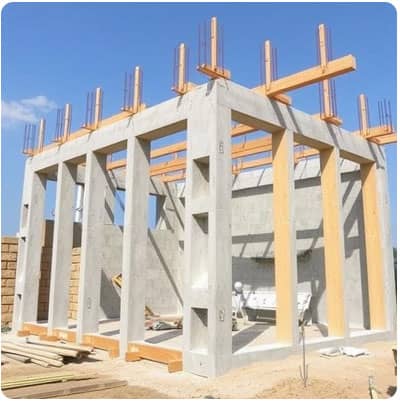
Types of Formwork
- Timber Formwork: Traditional, easy to handle but less durable.
- Steel Formwork: Durable, reusable, suitable for repetitive construction.
- Aluminum Formwork: Lightweight and corrosion-resistant.
- Plastic Formwork: Used for small, repetitive structures like housing.
- Fabric Formwork: Flexible and used for complex, non-traditional shapes.
Functions of Formwork
- Provides the desired shape and surface finish.
- Maintains concrete position and alignment.
- Resists lateral pressure of wet concrete.
- Ensures dimensional stability.
Formwork is an umbrella term that includes shuttering, centering, and staging, each addressing different parts of the concrete support system.
What is Shuttering?
Shuttering refers specifically to the vertical formwork used to support vertical faces of structures such as:
- Columns
- Shear walls
- Retaining walls
- Lift shafts

Key Characteristics of Shuttering
- Supports vertical loads and lateral concrete pressure.
- Provides a smooth and plumb surface for concrete.
- Made using plywood, steel sheets, or timber boards.
- Can be modular or custom-built for complex geometries.
Shuttering is a subset of formwork, tailored for vertical construction elements.
What is Centering?
Centering is the temporary support system used to hold horizontal components of formwork in place during the concrete curing process.
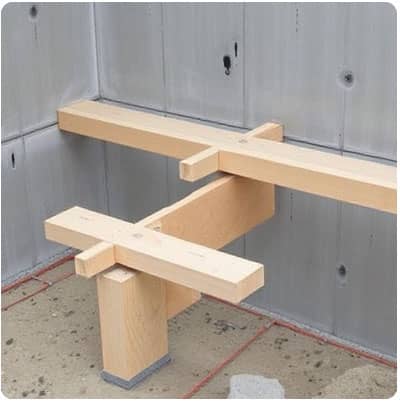
Applications of Centering
- Slabs
- Beams
- Floor plates
- Bridge decks
Components of Centering
- Props or posts to bear vertical load.
- Bearers and ledgers to distribute weight evenly.
- Decking sheets or plywood to support wet concrete.
Centering ensures that horizontal structures retain their intended level and profile until the concrete hardens.
What is Staging?
Staging refers to the supporting framework that holds centering and shuttering in place, particularly at heights or multi-level construction.

Importance of Staging
- Provides elevation and stability.
- Transfers load from centering/shuttering to the ground.
- Ensures safe working platforms during concrete works.
Common Staging Materials
- Adjustable steel props
- H-frame scaffolding
- Timber posts or vertical supports
Staging is vital in high-rise or bridge construction, where large spans of horizontal formwork are required at significant elevations.
What is Scaffolding?
Scaffolding is a temporary structure erected to support workers and materials during the construction, maintenance, or repair of buildings.
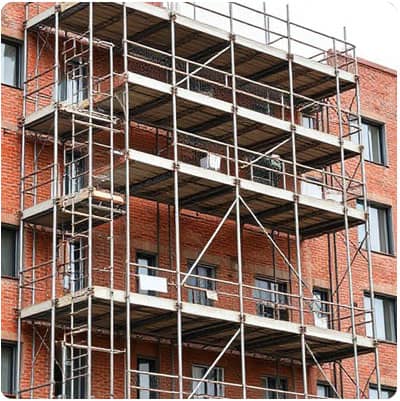
Main Functions of Scaffolding
- Provides a safe platform for workers at various heights.
- Facilitates transportation of materials around the site.
- Enables easy access to hard-to-reach areas.
Types of Scaffolding
- Tube and Coupler Scaffolding: Highly customizable and flexible.
- System Scaffolding: Modular and quick to assemble.
- Cantilever Scaffolding: Used where ground support is not possible.
- Suspended Scaffolding: Hung from rooftops or upper floors.
Unlike formwork-related systems, scaffolding does not support concrete structures. Its primary role is worker access and site safety.
Key Differences at a Glance
| Term | Primary Function | Orientation | Material |
|---|---|---|---|
| Formwork | Mold to hold wet concrete | Horizontal & Vertical | Timber, Steel, Aluminum |
| Shuttering | Vertical formwork for walls/columns | Vertical | Plywood, Steel, Timber |
| Centering | Support for horizontal concrete elements | Horizontal | Steel props, Plywood |
| Staging | Temporary structure to support centering/shuttering | Vertical (supportive) | Steel pipes, H-frames |
| Scaffolding | Worker platform/access for construction activities | Vertical (external use) | Steel tubes, Boards |
Integration in Construction Workflow
To better understand how these components work together in a real project, let's consider a multi-story concrete building:
- Shuttering is used to create columns and shear walls.
- Centering is deployed to form floor slabs and beams.
- Staging holds the centering up to the required floor level.
- Once concrete is poured and set, the formwork system is dismantled in phases.
- Scaffolding is erected externally to facilitate bricklaying, plastering, and painting.
This shows the sequential and complementary role of each system in a construction cycle.
Formwork Removal Time Guidelines
The timing for formwork removal is critical to ensure structural stability. It depends on the type of concrete, weather conditions, and structural load.
| Component | Removal Time (Under Normal Conditions) |
|---|---|
| Vertical walls/shuttering | 24 to 48 hours |
| Slabs (props left under) | 3 to 7 days |
| Slabs (full removal) | 10 to 14 days |
| Beams (props left under) | 7 days |
| Beams (full removal) | 14 to 21 days |
Note: Always consult the structural engineer's guidelines and IS:456 code for formwork striking time in Indian context.
Safety and Efficiency Considerations
- Ensure formwork is tight to prevent leakage of cement slurry.
- Props and staging must be adequately braced to prevent collapse.
- Scaffolding should have toe boards, guard rails, and proper planking.
- Use of pre-engineered modular formwork systems reduces labor cost and speeds up construction.
- Regular inspection and maintenance ensure reuse and longevity of materials.
Conclusion
Understanding the differences between formwork, shuttering, centering, staging, and scaffolding is essential for every civil engineer, contractor, and site manager. Each element plays a unique and crucial role in ensuring structural integrity, safety, and efficiency on the construction site. Mastering their application and sequencing significantly improves the quality and speed of construction work.
Please watch the following short video for Formwork, Shuttering, Centering, Staging & Scaffolding