
What Is a Soil Vent Pipe and How It Works

A soil vent pipe, also known as a soil stack or vent stack, plays a crucial role in modern plumbing systems, especially in multi-storey buildings. It is designed to transport sewage and wastewater from toilets, baths, and sinks to the underground drainage system while simultaneously ventilating harmful gases out of the building.
Understanding the Purpose of a Soil Vent Pipe
A soil vent pipe is a vertical pipe connected to the drainage system that carries sewage from sanitary fixtures such as toilets, urinals, and bidets. Unlike regular waste pipes, it serves a dual function:
- Transports waste to the main underground sewer.
- Releases foul gases such as methane and hydrogen sulfide above roof level.
This prevents the buildup of pressure or vacuum within the drainage system, which could otherwise cause water seals in traps (U-bends) to be siphoned, allowing bad smells to enter living spaces.
How Does a Soil Vent Pipe Work?
The operation of a soil vent pipe is based on the principle of ventilation and gravity drainage. Here is how it functions:
- Collection of Wastewater: Sanitary fixtures like toilets and sinks release waste into the vertical soil stack via branch pipes.
- Downward Flow by Gravity: The waste moves downward through the soil pipe by the force of gravity.
- Ventilation of Gases: As wastewater travels downward, it displaces air. The soil vent pipe vents this air through its upper end which extends above the roof.
- Pressure Equalization: By venting gases, the system maintains atmospheric pressure inside the drainage system, preventing water trap siphonage.
- Air Inlet: In some cases, an air admittance valve (AAV) is installed at the top instead of an open pipe to regulate airflow without allowing foul gases to escape.
Materials Used in Soil Vent Pipes
Soil vent pipes can be made from various materials depending on the construction type, budget, and local building codes.
1. uPVC (Unplasticized Polyvinyl Chloride)
- Most commonly used in modern buildings.
- Corrosion-resistant, lightweight, and easy to install.
- Available in grey or black color variants.
- Durable and cost-effective for residential properties.
2. Cast Iron
- Traditional material found in older buildings.
- Extremely durable and offers sound insulation.
- Heavier and more expensive to install and maintain.
3. Stainless Steel and Copper
- Used in high-end commercial projects or visible installations for aesthetic appeal.
- High corrosion resistance and long lifespan.
Components of a Soil Vent System
To understand how a soil vent pipe integrates into a building's plumbing system, it's vital to know the associated components:
- Branch Pipes: Connect individual sanitary fixtures to the soil stack.
- U-Bend Traps: Hold water to block sewer gases from returning to fixtures.
- Vent Terminal: The exposed end above the roof which allows gases to escape.
- Air Admittance Valve (Optional): One-way valve that opens to let air in but not out.
- Access Caps: Fittings that allow cleaning and inspection of the pipe system.
Soil Vent Pipe Installation Guidelines
Correct installation is key to the efficient working of a soil vent system. Here are key considerations:
Positioning
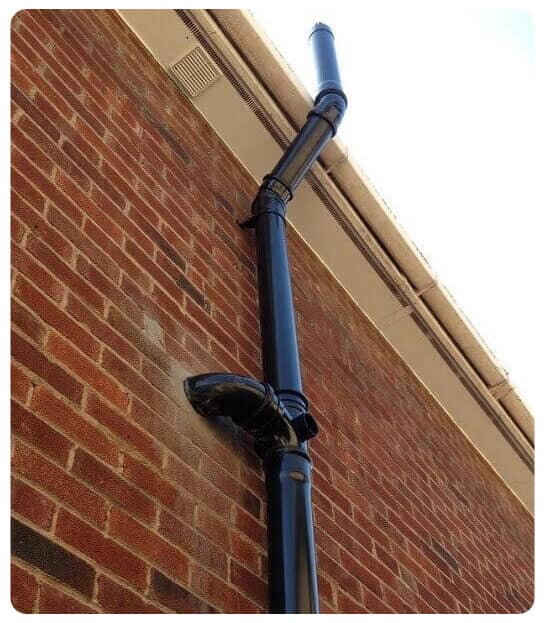
- The soil vent pipe is typically installed vertically along an external wall or inside a duct within the building.
- The top end should be at least 900mm above any opening windows, doors, or ventilation ducts within a 3-meter radius.
Gradient and Flow
- Branch pipes should be installed with a minimum gradient to ensure proper waste flow.
- Connections to the soil stack must maintain adequate air movement.
Support and Fixings
- Vertical stacks must be properly supported at every floor level.
- Expansion joints are required for plastic pipes to handle thermal movement.
Building Regulations and Compliance
Local building codes govern the installation of soil vent pipes to ensure health, safety, and environmental standards. In the UK, for example:
- Part H of the Building Regulations outlines drainage and waste disposal requirements.
- Soil vent pipes must be accessible for maintenance.
- Vent terminations must comply with height and distance regulations to avoid exposure to foul gases.
Non-compliance may result in fines, rework, or unsafe plumbing systems.
Ventilation Alternatives: Air Admittance Valves
Where it's not practical to run a vent pipe to the roof, air admittance valves offer a solution. These valves:
- Open when negative pressure occurs in the system (e.g., when a toilet is flushed).
- Close to prevent gas escape.
- Are ideal for internal installations, particularly in renovations or tight spaces.
However, AAVs must not be used as the sole vent in complex systems and are not suitable for every building type.
Common Problems in Soil Vent Systems
Although durable, soil vent pipes can face several issues if not properly maintained:
- Blockages caused by foreign objects or buildup of waste materials.
- Leaks due to cracked joints or improperly sealed connections.
- Freezing in winter, especially in exposed outdoor stacks.
- Odor issues if the pipe is blocked, or the vent is too close to windows.
Routine inspection and periodic maintenance can prevent costly repairs and ensure longevity.
Why Soil Vent Pipes Are Essential
Without a functioning soil vent pipe, building occupants would be exposed to:
- Unpleasant odors
- Health hazards from toxic sewer gases
- System inefficiencies such as slow drainage or gurgling sounds
- Damage to water seals, leading to backflow of gases
Thus, soil vent pipes are not just a building regulation requirement but a vital aspect of hygiene, comfort, and plumbing efficiency.
Conclusion
A soil vent pipe is much more than a simple drainage component - it is a backbone of sanitation in any property. From ensuring proper waste disposal to maintaining a safe and odor-free environment, its role cannot be overstated. Whether you're involved in new construction or renovating an existing system, understanding how soil vent pipes work is essential for a functional, compliant, and healthy plumbing infrastructure.
Please watch the following short video for Soil Vent Pipe
Also Read:
 Construction Specification and Its Types