
Asphalt Paving: Types, Cost, Hot Mix, Warm Mix, and Cold Mix Asphalt
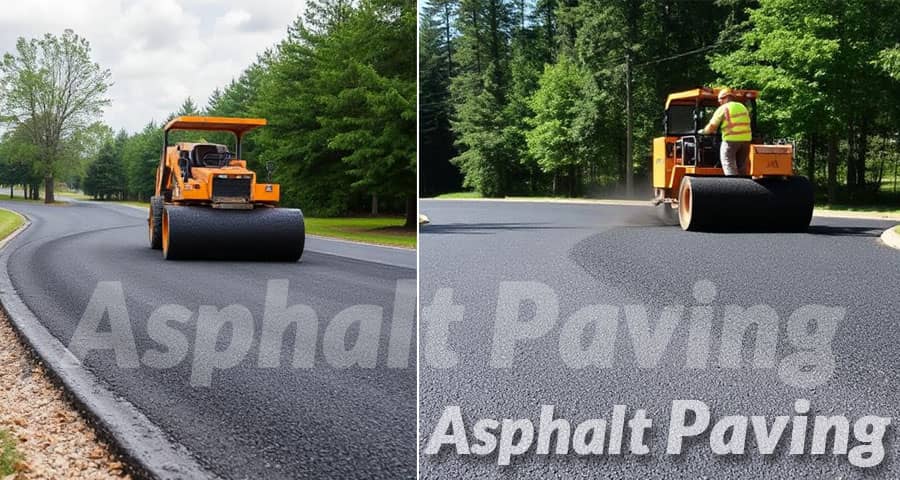
Asphalt paving remains the backbone of modern infrastructure, providing durable and cost-effective surfaces for roads, driveways, highways, parking lots, and airport runways. With evolving technology, different asphalt mixes have emerged - Hot Mix Asphalt (HMA), Warm Mix Asphalt (WMA), and Cold Mix Asphalt (CMA) - each offering unique benefits and use cases. Understanding these options is essential for choosing the right solution for your project.
What Is Asphalt Paving?
Asphalt paving refers to the process of laying a mixture of aggregates, binder (bitumen), and filler to construct or repair roads and pavements. The material is compacted while hot or warm to form a strong, smooth, and weather-resistant surface. Asphalt's flexibility, durability, and recyclability make it a preferred choice in both residential and commercial construction.
Types of Asphalt Pavement
Understanding the various asphalt types is crucial for tailoring the mix to specific conditions and performance requirements. Here are the primary categories:
1. Hot Mix Asphalt (HMA)
Hot Mix Asphalt is the most commonly used form of asphalt. Produced at temperatures between 300°F and 350°F, it is known for its durability, strong binding properties, and resistance to moisture.
Applications:
- Highways and major roads
- Airport runways
- Parking lots
- Heavy-traffic urban areas
Advantages:
- Excellent strength and durability
- Resistant to cracking and rutting
- Ideal for regions with warmer climates
Disadvantages:
- Requires high-temperature equipment
- Not suitable for colder weather installations
- Higher fuel consumption during production
2. Warm Mix Asphalt (WMA)
Warm Mix Asphalt is manufactured at lower temperatures - typically between 200°F and 275°F - through the use of chemical additives or water-injection systems.
Applications:
- Residential roads
- Environmentally sensitive zones
- Urban construction with air quality restrictions
Advantages:
- Reduced greenhouse gas emissions
- Lower energy consumption
- Safer working conditions due to less smoke
- Extended paving season due to cooler temperature application
Disadvantages:
- Slightly lower durability than HMA in high-load applications
- Newer technology with limited long-term performance data
3. Cold Mix Asphalt (CMA)
Cold Mix Asphalt is produced without heating the aggregate. Instead, emulsified asphalt is blended with the aggregate at ambient temperature, making it ideal for patchwork and remote-area repairs.
Applications:
- Temporary pothole repairs
- Low-traffic rural roads
- Emergency repairs during cold or wet weather
Advantages:
- No heating required
- Easy to transport and apply
- Can be stored for longer periods
Disadvantages:
- Less durable than hot or warm mix options
- Not ideal for high-volume traffic areas
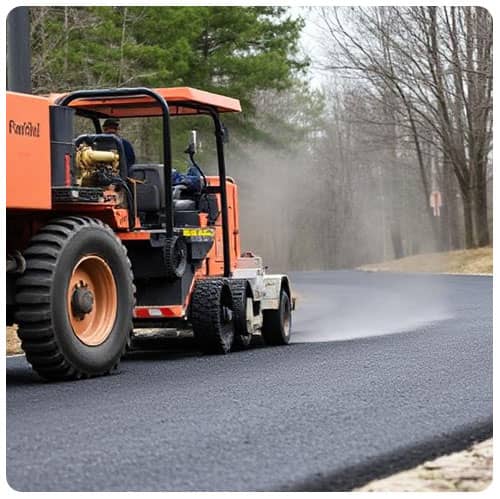
Specialty Asphalt Mixes
Porous Asphalt
Designed to allow water drainage, porous asphalt is ideal for stormwater management. It helps reduce runoff and improves water quality.
Stone Matrix Asphalt (SMA)
This premium mix uses a rich binder and stone aggregate to improve resistance to rutting and cracking, often used on high-traffic roads and interstates.
Cost of Asphalt Paving
The cost of asphalt paving varies based on factors such as the type of mix, project size, location, and depth of application. Here's a breakdown of general pricing:
| Type of Asphalt | Average Cost (per ton) | Installed Cost (per sq. ft.) |
|---|---|---|
| Hot Mix Asphalt (HMA) | $100 - $200 | $3 - $7 |
| Warm Mix Asphalt (WMA) | $120 - $250 | $4 - $8 |
| Cold Mix Asphalt (CMA) | $90 - $150 | $2 - $5 |
Note: Prices may vary regionally and over time due to fuel prices, raw material availability, and local labor rates.
Factors That Influence Asphalt Paving Costs
Several variables affect overall project cost:
- Thickness of the layer - Thicker applications cost more in materials and labor.
- Location - Urban areas typically have higher labor and permit costs.
- Site Preparation - Grading, clearing, and base installation add to total expense.
- Accessibility - Difficult terrain or limited site access can increase equipment and labor costs.
- Local Climate - Colder regions may require additives or special installation timing.
Maintenance and Longevity
To maximize the life of your asphalt surface, routine maintenance is essential. Well-installed asphalt can last 15 to 30 years with proper care.
Maintenance Tips:
- Sealcoating every 3 - 5 years to protect from oxidation and UV damage
- Crack sealing to prevent water infiltration
- Regular sweeping and cleaning to remove debris and oil
- Pothole patching to avoid further deterioration
Environmental Impact of Asphalt Mixes
Sustainability is increasingly becoming a focal point in paving decisions. Warm Mix Asphalt and Recycled Asphalt Pavement (RAP) offer substantial environmental benefits.
Eco-friendly Benefits:
- WMA reduces fuel usage and emissions
- RAP can be reused, reducing waste and cost
- Modern asphalt plants reduce VOCs (Volatile Organic Compounds)
Choosing the Right Asphalt Mix
When selecting the appropriate asphalt for your project, consider the following:
- Traffic load - Heavy trucks? Go with HMA or SMA.
- Climate - Cold weather? CMA for temporary, WMA for permanent.
- Budget constraints - CMA for quick fixes, RAP for cost-saving.
- Environmental regulations - WMA may be required in restricted zones.
Always consult with a professional asphalt contractor to assess specific site needs and determine the best material blend and installation strategy.
Conclusion
Asphalt paving plays a critical role in our daily lives, and choosing the right type - Hot Mix, Warm Mix, or Cold Mix Asphalt - can dramatically influence performance, cost, and sustainability. By understanding the strengths and limitations of each mix, property owners and developers can make informed decisions that lead to long-lasting, safe, and environmentally responsible pavements.
Please watch the following short video for Asphalt Paving
Also Read:
 A guide to vaulted ceilings