
Brutalism Architects, Buildings & Houses: A Complete Guide

What is Brutalism Architecture?
Brutalism architecture is one of the most distinctive architectural movements of the 20th century. Emerging in the 1950s, it is characterized by raw concrete, bold geometric shapes, and minimal ornamentation. Brutalism is derived from the French phrase béton brut, meaning "raw concrete," a term popularized by Swiss-French architect Le Corbusier, who greatly influenced this movement.
This style emphasizes functionality, honesty of materials, and imposing structures that often appear stark yet monumental. Brutalism is not only an architectural style but also a cultural statement, reflecting post-war values of strength, resilience, and affordability.
Key Features of Brutalist Architecture
When examining Brutalist buildings, several defining features consistently stand out:
- Exposed concrete surfaces: Often unfinished, with a rugged texture.
- Massive geometric forms: Boxy, block-like shapes dominate the structures.
- Monolithic presence: The buildings often appear fortress-like.
- Repetition of modular elements: Design based on function, creating uniform yet striking façades.
- Integration with urban landscape: Brutalist buildings often merge with their environment while maintaining dominance.
History and Origins of Brutalism
The roots of Brutalist architecture lie in the early modernist movement of the 20th century. After World War II, cities across Europe faced destruction and housing shortages. Governments needed affordable, quickly constructed buildings that could accommodate large populations.
The movement began in Britain during the 1950s, with architects like Alison and Peter Smithson leading the charge. By the 1960s and 70s, Brutalism had spread globally, influencing both public buildings and residential housing projects.
Famous Brutalist Architects
Several visionary architects have shaped and defined Brutalism:
Le Corbusier
Often regarded as the father of Brutalism, Le Corbusier's Unité d'Habitation in Marseille (1952) is a pioneering work. It embodies the core philosophy of functional living within bold concrete forms.
Paul Rudolph
An American architect, Rudolph created monumental academic buildings such as the Yale Art and Architecture Building (1963), a masterpiece of Brutalist design.
Marcel Breuer
Known for the Whitney Museum of American Art in New York, Breuer combined Brutalist principles with innovative sculptural qualities.
Alison and Peter Smithson
The British duo emphasized urban planning through Brutalism, famously designing the Robin Hood Gardens housing project in London.
Iconic Brutalist Buildings Around the World
Barbican Estate, London
One of the largest examples of Brutalist housing, the Barbican Estate is a striking residential and cultural complex, showcasing towers, terraces, and bold concrete architecture.
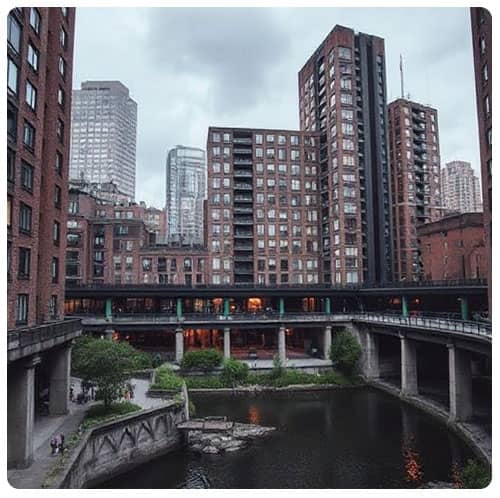
Boston City Hall, USA
Designed by Kallmann McKinnell & Knowles in 1968, this structure exemplifies Brutalism's monumental scale and uncompromising concrete aesthetics.
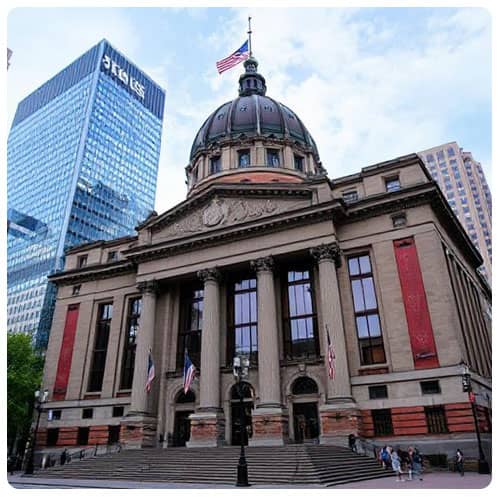
Habitat 67, Montreal
A visionary housing project by Moshe Safdie, Habitat 67 redefined urban living with interlocking concrete modules.
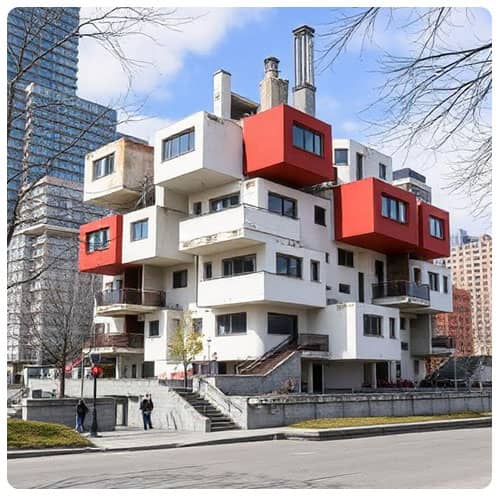
National Theatre, London
Designed by Denys Lasdun, the National Theatre is a dramatic example of Brutalism's sculptural and functional qualities.
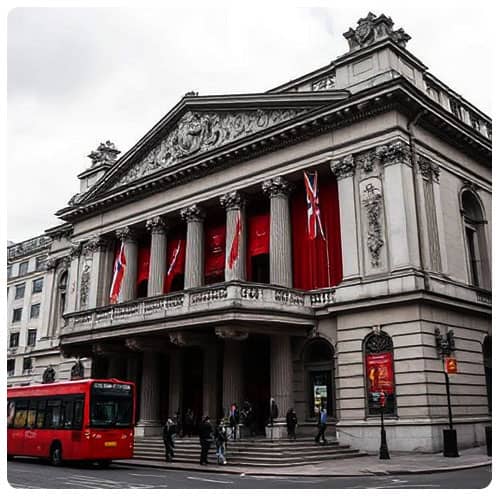
Trellick Tower, London
Designed by Erno Goldfinger, this residential skyscraper remains one of the most recognizable Brutalist buildings in the UK.
Brutalist Houses: Living in Concrete Sculptures
While Brutalism is often associated with public housing and civic buildings, several architects applied the style to private homes.
- Geometric layouts define spaces without traditional decoration.
- Concrete interiors create a raw yet modern atmosphere.
- Large open-plan designs emphasize functionality over aesthetics.
- Integration of natural light through wide windows softens the severity of concrete.
Notable examples include Villa Göth in Sweden (credited as one of the earliest Brutalist houses) and Breuer House in Connecticut.
Why Brutalism is Controversial
Brutalism often polarizes public opinion. Supporters admire its honesty, boldness, and functionality, while critics see it as harsh, cold, and inhuman. Many Brutalist buildings have faced demolition due to public disapproval or high maintenance costs.
However, in recent years, Brutalism has experienced a revival, with younger generations appreciating its raw beauty and architectural authenticity.
Modern Adaptations of Brutalism
Contemporary architects are reinterpreting Brutalism in new ways:
- Brutalism-inspired minimalism: Clean lines with exposed materials.
- Sustainable Brutalism: Using concrete alternatives for eco-friendly construction.
- Interior design trends: Brutalist elements like raw finishes, open spaces, and geometric furniture have entered modern homes.
This resurgence demonstrates Brutalism's lasting influence on modern architecture, design, and urban planning.
The Legacy of Brutalist Architecture
Despite its controversial reputation, Brutalism remains a vital architectural movement. It reflects a specific historical moment, balancing practicality and expressive design. Many Brutalist structures are now protected as cultural heritage sites, ensuring their preservation for future generations.
Conclusion
Brutalism is more than concrete and geometry - it is an architectural language of strength, resilience, and social purpose. From massive public housing complexes to experimental private homes, Brutalism architects, buildings, and houses continue to inspire debates and admiration. As we move toward sustainable urban planning, the lessons of Brutalism - functionality, raw materials, and bold design - remain more relevant than ever.
Please watch the following short video for Brutalism Architects, Buildings & Houses
Also Read:
 Innovative Approaches to Ferrocement in Construction Field