
Why Hairline Cracks in Concrete Appear and How to Handle Them

Concrete is one of the most widely used construction materials due to its strength, durability, and affordability. However, one of the most common issues we encounter in concrete structures is the development of hairline cracks. While these cracks may look minor, they can indicate underlying problems that should not be ignored.
What Are Hairline Cracks in Concrete?
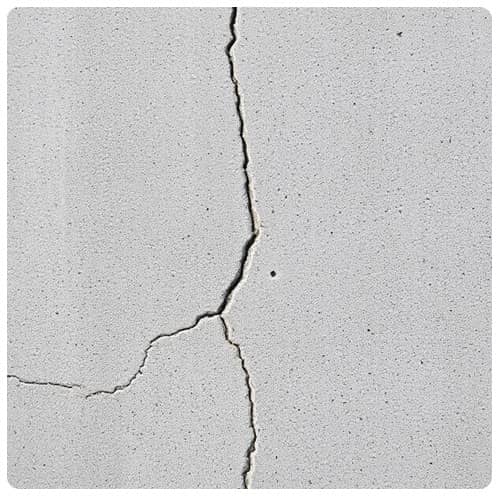
Hairline cracks are very thin surface-level cracks that usually measure less than 1/8 inch (about 3 mm) in width. These cracks may appear immediately after concrete is placed or develop over time as the concrete undergoes changes due to environmental and structural stresses. Although they are usually superficial, their presence may lead to deeper issues if left untreated.
Primary Causes of Hairline Cracks in Concrete
Understanding the root causes of hairline cracks is essential for proper repair and prevention. The following are the most common reasons:
1. Plastic Shrinkage
When fresh concrete begins to dry too quickly, moisture evaporates faster than it can be replaced, leading to plastic shrinkage cracks. This commonly happens in hot, windy, or low-humidity environments.
2. Thermal Expansion and Contraction
Concrete expands when heated and contracts when cooled. Repeated cycles of temperature changes cause stress within the concrete, resulting in fine cracks, especially in outdoor slabs and pavements.
3. Improper Curing
Curing is critical to the strength and durability of concrete. Insufficient curing leads to premature drying, which weakens the concrete surface and causes hairline cracking.
4. Settlement of Concrete
When the soil beneath a concrete slab is not properly compacted or undergoes uneven settlement, it creates stress points that often show up as fine cracks on the surface.
5. Excessive Water in the Mix
Adding too much water during mixing weakens the concrete by increasing its porosity. As the water evaporates, tiny voids form, which eventually develop into cracks.
6. Structural Overloading
Although concrete is strong, it has limits. Overloading slabs, beams, or foundations can cause cracks to develop as the concrete tries to release internal stress.
Types of Hairline Cracks in Concrete
Not all cracks are the same. Recognizing the type of crack helps us determine whether it is purely cosmetic or a sign of something more serious.
1. Crazing Cracks
These are fine, shallow cracks that form in a random pattern, often resembling a spider web. They are mostly aesthetic and occur due to surface shrinkage.
2. Plastic Shrinkage Cracks
These appear while the concrete is still in its plastic state. They are usually straight and occur due to rapid evaporation of water during setting.
3. Settlement Cracks
Settlement cracks develop when the ground beneath concrete shifts. They can appear near columns, walls, or load-bearing areas.
4. Structural Cracks
Though often starting as hairline cracks, these can widen over time. They are a sign of excessive load, poor reinforcement, or foundation movement, and require immediate attention.
Do Hairline Cracks Affect Structural Integrity?
Most hairline cracks are superficial and do not significantly affect structural performance. However, they can:
- Allow moisture ingress, leading to corrosion of reinforcement.
- Cause spalling (surface flaking) when exposed to freeze-thaw cycles.
- Serve as a pathway for chemicals and salts, which can weaken the concrete matrix.
- Grow into wider cracks if the underlying cause is not addressed.
Therefore, even though hairline cracks may not appear alarming initially, monitoring and repairing them promptly is crucial.
Methods to Repair Hairline Cracks in Concrete
Repairing hairline cracks depends on their depth, cause, and location. Here are the most effective techniques:
1. Epoxy Injection
Epoxy injection is ideal for structural cracks. The low-viscosity epoxy penetrates deeply and bonds the crack together, restoring strength.
2. Polyurethane Foam Injection
This method is used for cracks exposed to water leakage. The foam expands and seals the crack effectively.
3. Surface Sealants
Applying concrete sealers or acrylic coatings can prevent water and chemicals from entering small cracks.
4. Routing and Sealing
For larger hairline cracks, the crack is widened slightly with a grinder and then filled with sealant or mortar to prevent further deterioration.
5. Resurfacing
If multiple cracks appear across a slab, resurfacing with a polymer-modified overlay can restore aesthetics and durability.
Preventive Measures to Avoid Hairline Cracks
Prevention is always better than repair. We recommend these proven methods:
1. Proper Mix Design
Use the correct water-cement ratio and avoid adding excess water during mixing. This reduces shrinkage and improves durability.
2. Adequate Curing
Ensure at least 7 days of moist curing for normal concrete. This prevents rapid drying and improves long-term strength.
3. Use of Control Joints
Control joints allow concrete to crack in a controlled manner. They should be properly spaced depending on the slab thickness.
4. Quality Subgrade Preparation
Compacting the soil and providing proper drainage beneath slabs prevents settlement cracks.
5. Protect from Rapid Drying
Use plastic sheeting, curing compounds, or water spraying to avoid evaporation during the early curing stage.
6. Avoid Overloading
Prevent parking of heavy equipment or placing excess weight on newly constructed slabs until the concrete has gained sufficient strength.
When Should You Worry About Hairline Cracks?
While many cracks are cosmetic, immediate action is needed when:
- Cracks widen over time.
- They appear near load-bearing elements like beams or columns.
- Water leakage or dampness is visible.
- Reinforcement bars become exposed.
In such cases, it is advisable to consult a structural engineer to evaluate and recommend repairs.
Conclusion
Hairline cracks in concrete are a common occurrence, but with the right knowledge and proactive measures, they can be effectively managed. By understanding their causes, identifying their types, and applying the right repair and prevention methods, we can ensure that concrete structures remain safe, durable, and long-lasting.
Please watch the following short video fo Hairline Cracks in Concrete
Also Read:
 What Is Shoring In Construction | Shoring Types