
Signs of Water Damage in Bathroom and How to Fix

A bathroom is one of the most frequently used spaces in any home, and because of its constant exposure to water, it is also the area most prone to water damage. Detecting early signs of bathroom water damage and fixing them promptly can save us from costly repairs, structural deterioration, and potential health issues like mold growth.
Common Signs of Water Damage in the Bathroom
1. Peeling or Bubbling Paint and Wallpaper
One of the earliest indicators of water damage is paint or wallpaper starting to peel, bubble, or discolor. This usually means moisture is trapped behind the wall surface.
- Causes: Leaky pipes, improper ventilation, or water seeping through tiles.
- Fix: Identify and repair the source of the leak, allow the wall to dry thoroughly, and then repaint with moisture-resistant paint.
2. Warped or Soft Flooring
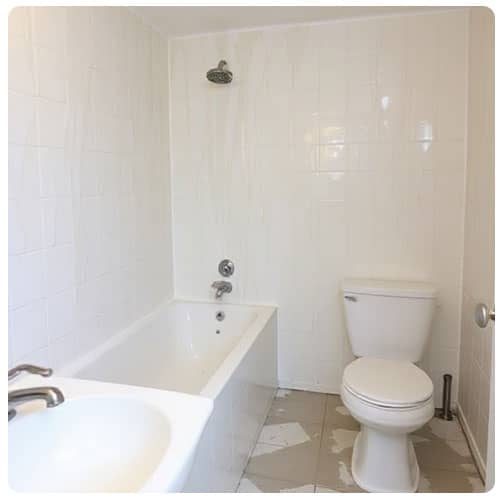
When bathroom tiles or vinyl flooring feel spongy, uneven, or warped, it's a clear sign of water seeping underneath.
- Causes: Leaks from toilets, bathtubs, or shower bases.
- Fix: Remove the damaged flooring, fix any leaks, and install new moisture-resistant flooring material.
3. Persistent Musty Odor
A musty smell that lingers in the bathroom often indicates hidden water damage and mold growth. Even if the walls and floors look fine, the odor suggests moisture has been absorbed into hidden areas.
- Causes: Hidden leaks behind walls, poor ventilation, or water accumulation beneath flooring.
- Fix: Improve ventilation, check behind walls and under floors for leaks, and remove mold with professional treatment if necessary.
4. Stains and Discoloration on Walls or Ceilings
Brown, yellow, or gray stains on walls or ceilings are strong indicators of long-term water damage.
- Causes: Leaks from upstairs bathrooms, roof leaks, or pipe condensation.
- Fix: Identify and repair the leak, replace damaged drywall, and repaint with a waterproof sealer.
5. Mold and Mildew Growth
Bathrooms naturally have high humidity, but visible mold or mildew growth beyond the shower area is a red flag.
- Causes: Poor ventilation, leaking plumbing, or constantly damp surfaces.
- Fix: Use mold-resistant paint, ensure proper ventilation, and fix leaks immediately. Severe infestations may require professional remediation.
6. Loose or Cracked Bathroom Tiles
Tiles that become loose, cracked, or discolored often point to water damage beneath the surface.
- Causes: Water penetrating through grout lines or cracks in shower or floor tiles.
- Fix: Reseal grout lines regularly, replace broken tiles, and ensure a waterproof membrane is installed beneath tiled surfaces.
7. Swelling or Warping of Wooden Fixtures
Wooden cabinets, vanities, and baseboards in the bathroom are highly vulnerable to water. If they appear swollen, warped, or discolored, water damage is likely.
- Causes: Water splashes, leaking pipes, or poor sealing around fixtures.
- Fix: Dry and sand minor warps, reseal with waterproof coatings, or replace severely damaged wood.
8. Damaged Caulking and Grout
When caulking or grout starts cracking, shrinking, or falling apart, water easily seeps behind tiles and fixtures.
- Causes: Age, poor application, or continuous water exposure.
- Fix: Remove old caulking, thoroughly clean the area, and apply new waterproof caulk to prevent future leaks.
9. Higher Water Bills
A sudden spike in water bills without increased usage is often caused by hidden leaks in bathroom plumbing.
- Causes: Leaking toilets, dripping faucets, or broken pipes.
- Fix: Inspect and repair plumbing fixtures, check toilet flappers, and call a plumber if the leak is not visible.
10. Ceiling Sagging or Cracks
If the bathroom is on an upper floor, leaks can cause the ceiling below to sag or crack. This is a serious structural warning sign.
- Causes: Continuous leaks from showers, bathtubs, or toilets.
- Fix: Stop the leak immediately, replace damaged ceiling materials, and ensure proper waterproofing of the bathroom above.
How to Fix Water Damage in Bathrooms
Step 1: Identify the Source of Water
Before attempting repairs, we must find the root cause of water damage. This could be a leaking pipe, faulty sealant, poor ventilation, or cracks in tiles.
Step 2: Stop the Leak
Shut off water supply if necessary and repair faulty plumbing or seals. Without fixing the source, cosmetic repairs won't last.
Step 3: Dry Out the Affected Area
Use fans, dehumidifiers, and proper ventilation to completely dry affected walls, floors, or fixtures. Mold thrives in moisture, so drying is crucial.
Step 4: Replace or Repair Damaged Materials
- Drywall: Replace sections with mold-resistant drywall.
- Tiles: Remove and reinstall with proper waterproofing.
- Wood: Sand, reseal, or replace completely.
- Paint: Always use moisture-resistant paint for bathrooms.
Step 5: Prevent Future Damage
- Install a high-quality bathroom exhaust fan to reduce humidity.
- Reseal caulking and grout every 1 - 2 years.
- Use waterproof paint and flooring materials.
- Regularly inspect plumbing fixtures for leaks.
When to Call a Professional
While small issues like resealing caulking or repainting can be DIY tasks, larger problems such as hidden leaks, widespread mold, or structural damage require professional plumbers, contractors, or mold remediation specialists. Acting quickly can prevent thousands of dollars in repairs.
Conclusion
Bathroom water damage can start small but quickly escalate into serious issues if ignored. By watching for early signs like peeling paint, musty odors, mold growth, warped flooring, or stained ceilings, we can address the problem before it spreads. With proper repair, preventive measures, and routine inspections, we can ensure our bathrooms remain safe, functional, and damage-free.
Please watch the following short video for Signs of Water Damage in Bathroom and How to Fix
Also Read:
 Choosing the Right Building Contractor in the USA