
Fire Escape Staircases: Types, Importance, and Requirements
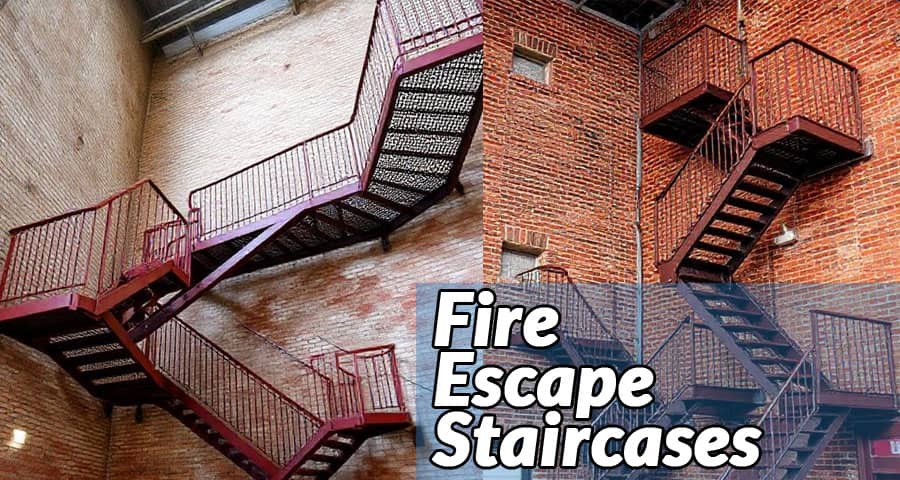
Fire safety is an uncompromising priority in every building, and fire escape staircases play a critical role in providing safe evacuation routes during emergencies. As structures become larger and more complex, ensuring well-planned, accessible, and compliant fire escape systems becomes essential for saving lives.
What Are Fire Escape Staircases?
Fire escape staircases are dedicated emergency exit routes designed to allow building occupants to escape safely when a fire or hazard occurs. Unlike regular staircases, these specialized stairways must remain unobstructed, fire-resistant, and easily accessible during emergencies. Their design focuses on durability, safety, and compliance with building codes.
Fire escape stairs are typically installed on the exterior or interior of multi-story buildings and serve as alternative escape routes when lifts, escalators, and internal corridors become unsafe or compromised.
Importance of Fire Escape Staircases
Fire escape staircases are indispensable in every building due to several vital reasons:
1. Life-Saving Evacuation Routes
During fire emergencies, elevators are shut down and smoke-filled corridors become hazardous. Fire escape staircases offer dedicated, safe, and rapid evacuation paths, significantly reducing the risk of casualties.
2. Mandatory Compliance with Building Codes
Most national and international building standards make fire escape staircases legally mandatory, especially in commercial, industrial, and multi-storey residential structures. Properly designed fire exits are a legal obligation under fire safety norms.
3. Smoke-Free Escape Path
Fire escapes are typically isolated from the main building using fire-resistant enclosures, allowing occupants to escape without exposure to smoke and toxic gases.
4. Supports Firefighting Operations
Fire escape staircases also function as access routes for firefighters and rescue teams, enabling them to reach upper floors swiftly.
5. Enhances Overall Building Safety
Well-planned fire escapes increase the safety rating of a building, ensuring compliance, reducing insurance risks, and improving structural reliability.
Types of Fire Escape Staircases
Fire escape staircases come in a variety of designs based on building type, available space, and national fire safety codes. Here are the most commonly used types:
1. Straight Run Fire Escape Staircase
This is the simplest and most widely used type. It consists of a single straight flight connecting each floor. Straight-run fire escape stairs are preferred for their easy navigation and quick descent.
2. Spiral Fire Escape Staircase
Spiral staircases save space and are often installed externally in commercial and residential buildings. Although compact, they can be challenging during mass evacuation, making them suitable for smaller structures.
3. Vertical Ladder-Type Fire Escape
Used mostly in industrial buildings or low-rise structures, vertical ladders are only suitable for trained personnel and often serve as secondary emergency exits.
4. Scissor Staircase
A scissor staircase comprises two interlocking flights of stairs within the same stairwell. It helps provide two independent escape paths and is often used in high-rise buildings.
5. External Metal Staircase
Mounted along the exterior façade, these staircases are made of galvanized steel or aluminum. They remain accessible even when interior portions of the building are compromised by fire.
6. Enclosed Fire-Rated Staircase
These staircases are enclosed with fire-resistant walls and doors, ensuring smoke-proof and heat-resistant evacuation routes. Widely used in commercial complexes, malls, and high-rise towers.
7. Retractable Fire Escape Staircases
Installed in certain industrial or warehouse settings, retractable staircases provide emergency escape without occupying permanent space.

Key Components of Fire Escape Staircases
To ensure effective performance, a fire escape staircase must include the following critical components:
- Fire-rated doors at each entry point
- Handrails on both sides
- Non-slip treads and durable risers
- Adequate landing space between flights
- Emergency lighting systems
- Fire-resistant walls for enclosed types
- Clearly marked signage for easy navigation
- Ventilation openings to reduce smoke build-up
Each component works cohesively to enhance safety and usability in emergencies.
Fire Escape Staircase Requirements (As per Standard Codes)
1. Minimum Width
Fire escape staircases generally require a minimum clear width of 1.0 - 1.2 meters, depending on occupancy type.
2. Angle of Inclination
The recommended angle of inclination is between 30° to 45°. This helps prevent slips and falls during hurried evacuations.
3. Riser and Tread Dimensions
- Tread: 250 - 300 mm
- Riser: 150 - 190 mm
These dimensions ensure comfortable movement while descending.
4. Height and Floor Connectivity
Fire escape stairs must connect all floors, including basements, and exit directly to an open area or safe assembly point.
5. Construction Material
The staircase must be constructed using non-combustible materials such as steel or reinforced concrete.
6. Fire-Resistant Enclosures
For enclosed staircases, walls must have 2-hour fire resistance or as mandated by local building codes.
7. Handrails and Balustrades
Handrails should be installed at a height of 900 - 1000 mm with strong balustrades on both sides.
8. Illumination and Signage
Emergency lighting must be available at all times, supported by backup power sources, and visible escape route signage must be placed strategically.
9. Distance from Hazard Zones
Fire escape staircases must be located away from electrical rooms, gas storage areas, and fire-prone zones to prevent rapid heat exposure.
10. Accessibility
The staircase must remain unobstructed and never locked or blocked during building occupancy.
Design Considerations for Fire Escape Staircases
Effective fire escape stair design requires adherence to functional, safety, and architectural considerations:
- Load-bearing capacity based on maximum occupancy
- Anti-corrosion treatment for external metal staircases
- Weather protection to prevent degradation
- Adequate ventilation shafts for smoke evacuation
- Integration with fire detection and alarm systems
- Sufficient landing space for rest and crowd control
Each design choice must enhance reliability and movement efficiency during emergencies.
Common Mistakes to Avoid in Fire Escape Design
To ensure compliance and safety, avoid the following:
- Using combustible materials in construction
- Building narrow or steep staircases
- Locking fire escape doors
- Placing obstacles on escape routes
- Neglecting maintenance or routine inspections
- Poor lighting or lack of signage
- Installing spiral staircases in high-occupancy buildings
Avoiding these errors ensures seamless evacuation and prevents panic during emergencies.
Maintenance Requirements for Fire Escape Staircases
Regular inspection and maintenance are essential to ensure optimal performance:
- Check for rust, cracks, or structural damage
- Verify emergency lights and signage functionality
- Lubricate moving parts for retractable staircases
- Test fire-rated door self-closing mechanisms
- Clean treads and remove debris
- Document inspections as required by safety regulations
Well-maintained fire escape stairs significantly reduce risks during actual emergencies.
Conclusion
Fire escape staircases are indispensable components of building safety systems. From offering essential evacuation routes to fulfilling legal compliance, their importance cannot be overstated. By understanding the various types, safety requirements, and design principles, property owners and developers can ensure buildings remain secure, accessible, and prepared for emergencies.
Please view the following short video for Fire Escape Staircases
Also Read:
 Analysis of Plain Cement Concrete in the Foundation of a Structure