
What Is Rolling Margin and Its Procedure - Complete Guide for Engineers and Contractors
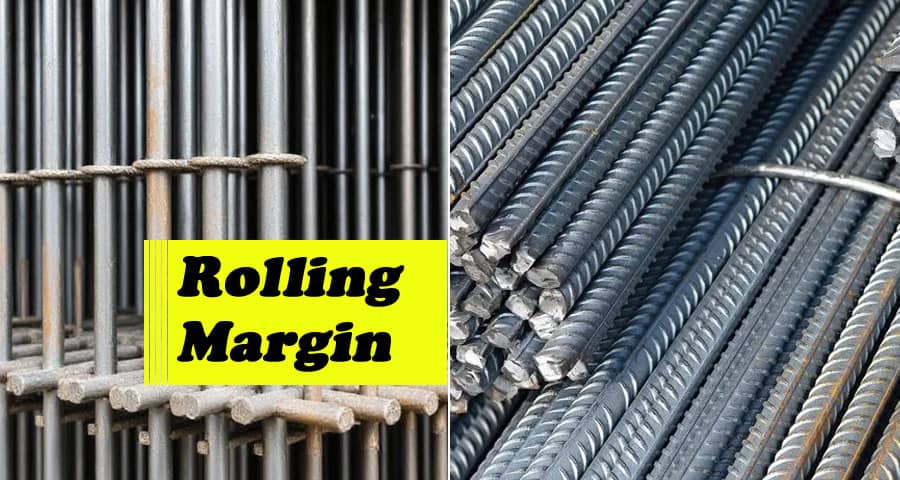
When it comes to construction projects, accuracy in steel quantity and cost plays a major role in ensuring the project's financial success. One of the key factors affecting this accuracy is the rolling margin. Understanding what rolling margin is and how to calculate it correctly helps in maintaining transparency between suppliers and contractors.
What Is Rolling Margin?
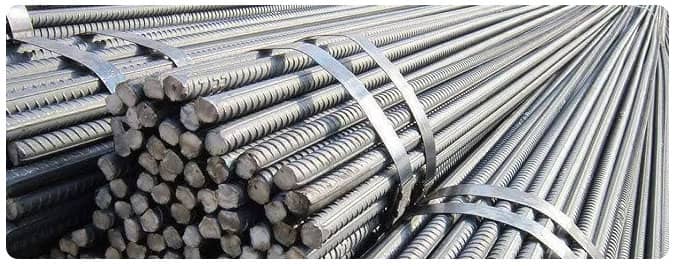
Rolling Margin is the difference between the theoretical weight and the actual weight of steel reinforcement bars (TMT bars) supplied by manufacturers.
In simpler terms:
Rolling Margin = (Actual Weight - Theoretical Weight) ÷ Theoretical Weight x 100
This difference occurs due to manufacturing tolerances while rolling steel in mills. Rolling margin can be positive or negative, depending on whether the supplied bars are heavier or lighter than standard IS codes.
Importance of Rolling Margin in Construction
Understanding and checking rolling margin ensures:
- Cost Accuracy: Prevents paying extra for steel that weighs more or less than standard.
- Quality Control: Verifies that the TMT bars comply with IS standards (IS 1786:2008).
- Transparency: Builds trust between the contractor and the steel supplier.
- Accurate Estimation: Helps in reconciling theoretical and actual consumption in project reports.
Theoretical Weight of Steel Bars (as per IS 1786:2008)
| Bar Diameter (mm) | Theoretical Weight (kg/m) |
|---|---|
| 8 mm | 0.395 |
| 10 mm | 0.617 |
| 12 mm | 0.888 |
| 16 mm | 1.580 |
| 20 mm | 2.470 |
| 25 mm | 3.850 |
| 32 mm | 6.310 |
| 40 mm | 9.870 |
These theoretical weights are calculated using the formula:
W = (D2 ÷ 162)
Where:
- W = Weight in kg/m
- D = Diameter in mm
Rolling Margin Calculation Formula
To calculate rolling margin, use:
Rolling Margin (%) = [(Actual Weight - Theoretical Weight) / Theoretical Weight] x 100
Example Calculation
Let's say a batch of 12 mm TMT bars was supplied.
- Theoretical Weight (from table): 0.888 kg/m
- Actual Weight (measured): 0.900 kg/m
Rolling Margin = [(0.900 - 0.888) / 0.888] x 100 = 1.35%
This means the rolling margin is +1.35%, which is within acceptable limits.
Acceptable Rolling Margin Tolerances (As per IS 1786:2008)
| Bar Diameter (mm) | Allowable Tolerance (%) |
|---|---|
| 8 - 10 mm | ± 7% |
| 12 - 16 mm | ± 5% |
| 20 - 25 mm | ± 4% |
| 28 - 32 mm | ± 3% |
| 40 mm and above | ± 2% |
If the rolling margin exceeds these limits, the batch should be rejected or reported to the supplier.
Rolling Margin Procedure (Step-by-Step)
Step 1: Collect Steel Samples
Take samples of different diameters (8mm, 10mm, 12mm, etc.) from the supplied batch.
Step 2: Measure Actual Weight
Weigh each bar accurately using a calibrated scale and note the readings.
Step 3: Measure Bar Length and Diameter
Measure the actual length (usually 12m per bar) and verify the diameter with a vernier caliper or micrometer.
Step 4: Calculate Theoretical Weight
Use the formula W = D2/162 x length for each bar.
Step 5: Compute Rolling Margin
Use the formula:
Rolling Margin = (Actual - Theoretical) / Theoretical x 100
Step 6: Compare with Tolerance Limits
Compare your result with IS 1786 tolerance table.
If within limits → Accept the batch.
If not → Report and verify with supplier.
Rolling Margin Report Format
| Bar Dia (mm) | Actual Weight (kg) | Theoretical Weight (kg) | Difference (kg) | Rolling Margin (%) | Remarks |
|---|---|---|---|---|---|
| 8 | 400.5 | 395.0 | +5.5 | +1.39% | OK |
| 12 | 890.0 | 888.0 | +2.0 | +0.22% | OK |
| 20 | 2500.0 | 2470.0 | +30.0 | +1.21% | OK |
Tips to Maintain Rolling Margin Accuracy
- Always use calibrated weighing scales.
- Measure length and diameter precisely.
- Verify steel manufacturer certificates (Mill Test Certificates).
- Maintain a separate rolling margin logbook for audits.
- Ensure proper storage to avoid rusting or deformation affecting weight.
Key Takeaways
- Rolling Margin is the deviation between theoretical and actual steel weight.
- Calculated using: (Actual - Theoretical) / Theoretical x 100
- Governed by IS 1786:2008 tolerance limits.
- Regular checking ensures quality, cost accuracy, and compliance in construction.
Final Words
Accurate rolling margin calculation is essential for every civil engineer, contractor, and site manager. It not only ensures compliance with Indian Standards but also helps in avoiding financial losses due to overpayment or underweight supplies.
When managed correctly, rolling margin control becomes a simple yet powerful tool for construction quality assurance and cost optimization.
Please watch the following short video Rolling Margin and Its Procedure
Also Read:
 What Is Bar Bending Schedule (BBS)?