
Difference Between Sewerage and Storm Drain - A Complete Expert Guide
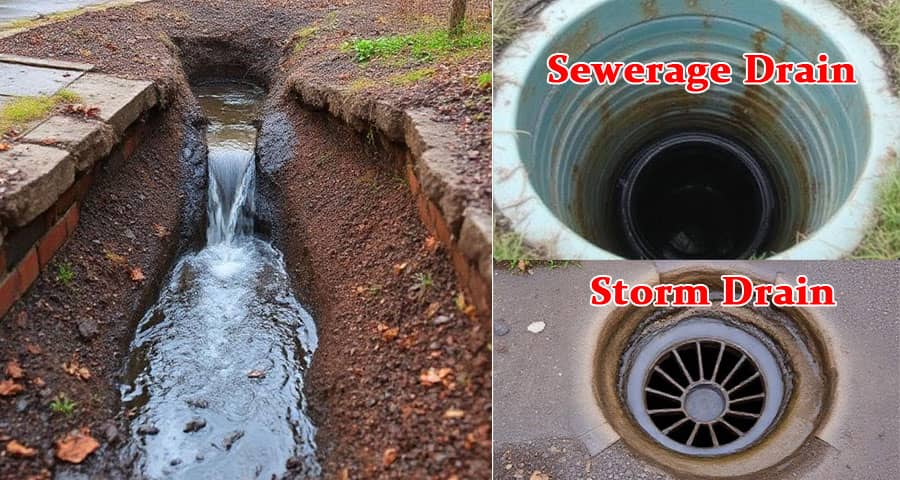
Understanding the difference between sewerage and storm drain systems is essential for efficient urban planning, public health protection, and environmental sustainability. Although these systems are often confused, each plays a distinct and crucial role in managing wastewater and rainwater in modern cities.
What Is Sewerage? - Definition, Purpose, and Components
Sewerage refers to a network of pipes, pumping stations, and treatment facilities designed to collect and transport wastewater from households, industries, and commercial establishments to treatment plants. The goal of a sewerage system is to safely manage and treat contaminated water before it is released back into the environment.
Types of Wastewater Managed by Sewerage Systems
Sewerage systems handle several categories of wastewater:
- Domestic wastewater - from toilets, sinks, baths, and washing machines
- Industrial effluents - containing chemicals, organic matter, and process waste
- Commercial wastewater - from hotels, offices, restaurants, and malls
Key Components of a Sewerage System
A modern sewerage system is composed of:
- House Sewer Connections - pipelines connecting buildings to the street sewer
- Lateral Sewers - smaller pipes in residential areas
- Main Sewers - larger pipes that collect wastewater from multiple lateral lines
- Trunk Sewers - major pipelines carrying large volumes of wastewater
- Pumping Stations - lift wastewater when gravity flow is insufficient
- Treatment Plants - process and purify wastewater before disposal
Role of Sewerage Systems in Public Health
Sewerage prevents:
- Contamination of surface and groundwater
- Spread of waterborne diseases
- Infiltration of harmful chemicals into the environment
A well-designed sewerage system is a cornerstone of sanitation infrastructure.
What Is a Storm Drain? - Definition, Purpose, and Components
A storm drain, also known as a stormwater drainage system, is designed to collect and carry rainwater runoff from roofs, streets, highways, parking lots, and open grounds. The aim is to prevent urban flooding, reduce waterlogging, and protect infrastructure during heavy rainfall.
Types of Stormwater Collected by Storm Drains
- Rainwater runoff
- Surface water from storms
- Melting snow and ice runoff
- Excess irrigation water

Key Components of a Storm Drain System
Stormwater drainage networks typically include:
- Catch Basins / Inlets - collect surface runoff
- Gutters and Channels - guide water to nearby drains
- Stormwater Sewers - underground pipes that move runoff
- Manholes - provide access for maintenance
- Detention Ponds / Retention Basins - temporary storage for excess rainwater
- Outfalls - discharge points into lakes, rivers, or the sea
Storm drains operate without any treatment, unlike sewerage, because they carry unpolluted rainwater.
Key Differences Between Sewerage and Storm Drain Systems
1. Purpose and Function
- Sewerage manages polluted wastewater.
- Storm drains manage clean rainwater.
2. Water Composition
- Sewerage carries organic waste, chemicals, and contaminants.
- Storm drains handle relatively clean runoff, though it may include minor debris.
3. Treatment Requirements
- Wastewater from sewerage must be treated at treatment plants.
- Stormwater is usually discharged directly into natural water bodies.
4. System Design
- Sewer lines are airtight, preventing odor and leakage.
- Storm drains are larger and open, enabling large-volume flow.
5. Flow Mechanism
- Sewerage often uses gravity flow, but may require pumping.
- Storm drains rely heavily on gravity and high-capacity conduits.
6. Environmental Impact
- Untreated sewer discharge causes severe pollution and health risks.
- Improper stormwater management leads to flooding and soil erosion.
7. Maintenance Needs
- Sewerage requires frequent cleaning to avoid blockages, corrosion, and odor.
- Storm drains require removal of debris, leaves, and sediment.
Why Mixing Sewerage and Storm Drains Is Dangerous
In some outdated urban systems, both wastewater and rainwater are combined in a combined sewer system. However, this poses serious risks:
- Overflow during heavy rain leads to discharge of raw sewage
- Water contamination affects rivers and aquatic life
- Damage to treatment plants due to sudden water surges
Modern cities now encourage separate sewerage and storm drainage systems for efficiency and environmental protection.
Design Considerations for Sewerage and Storm Drain Networks
Hydraulic Design
Both systems rely on hydraulic calculations to maintain smooth flow and avoid stagnation.
Material Selection
- Sewerage lines often use PVC, HDPE, ductile iron, or concrete.
- Storm drains rely on RCC pipes, box culverts, and concrete channels.
Slope Requirements
A precise slope is essential to ensure continuous flow and prevent blockages.
Capacity Planning
- Sewerage capacity is based on population, industrial load, and water usage trends.
- Storm drain capacity depends on rainfall intensity, runoff coefficient, and topography.
Environmental and Urban Benefits of Separate Systems
Improved Public Health
Preventing sewage contamination helps reduce disease outbreaks.
Reduced Flooding Risks
Storm drains manage rainfall efficiently, protecting homes and infrastructure.
Sustainable Water Management
Stormwater can be reused for:
- Groundwater recharge
- Irrigation
- Landscape maintenance
Enhanced Urban Cleanliness
Separate systems ensure that streets remain clean and free from wastewater overflow.
Conclusion - Sewerage vs Storm Drain: Summary
The difference between sewerage and storm drain lies in their purpose, design, and operation. While sewerage handles treated wastewater, storm drains manage rainwater to prevent flooding. Understanding these systems is essential for creating healthy, sustainable, and resilient urban environments.
Both systems, when properly designed and maintained, play a vital role in shaping the safety and hygiene of cities worldwide.
Please watch the following short video for Difference Between Sewerage and Storm Drain
Also Read:
 Telford Road Construction: Paving the Way to a Better Future