
Soil Compaction: Causes, Effects, and Types
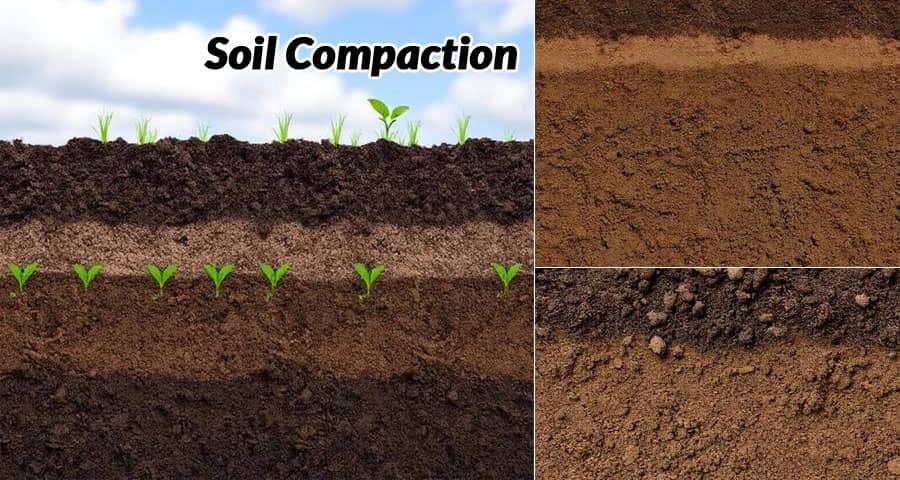
Soil compaction is a critical issue in agriculture, civil engineering, and environmental management. It refers to the densification of soil particles by the reduction of pore spaces through external forces such as mechanical pressure, heavy machinery, or animal trampling. Understanding the causes, effects, and types of soil compaction is essential for maintaining soil health, ensuring optimal crop yields, and achieving stability in construction projects.
What is Soil Compaction?
Soil compaction occurs when soil particles are pressed together, reducing the amount of air and water within the pores. This process increases the soil bulk density and decreases its porosity, thereby affecting the soil's ability to retain water and support root penetration. Compaction can happen naturally through rainfall and gravity, or artificially due to human activities like tillage, traffic of heavy machinery, and livestock movement.
Causes of Soil Compaction
Soil compaction results from various natural and human-induced factors, each affecting soil structure and productivity differently.
1. Heavy Machinery and Equipment
The use of tractors, harvesters, and loaders exerts enormous pressure on the soil surface, particularly when it is moist. Repeated passes of heavy agricultural or construction machinery cause severe compaction in the topsoil and subsoil layers, making it difficult for roots to penetrate and for water to infiltrate.
2. Livestock Trampling
In pastures and grazing lands, the hooves of animals can compact the soil, especially in wet conditions. This results in reduced vegetation growth and poor drainage, leading to waterlogging in low-lying areas.
3. Tillage Practices
Excessive or inappropriate tillage operations - such as plowing or disking - can break down soil aggregates and cause compaction just below the plow layer, known as the plow pan. This hardened layer restricts root growth and water movement.
4. Rainfall and Natural Forces
Heavy rainfall can compact soil particles, particularly in fine-textured soils like clay. When raindrops strike bare soil, they displace fine particles, leading to crust formation and surface sealing.
5. Construction and Urban Development
In construction zones, bulldozers, trucks, and rollers exert extreme loads on the ground to achieve a firm base for buildings, roads, and pavements. This compaction, while necessary for stability, reduces soil permeability and disrupts the natural water cycle.
Effects of Soil Compaction
Soil compaction has far-reaching agricultural, environmental, and structural consequences. It impacts plant growth, soil health, and the hydrological balance of ecosystems.
1. Reduced Water Infiltration and Drainage
When soil pores are compressed, water infiltration decreases, leading to surface runoff and soil erosion. Poor drainage creates anaerobic conditions detrimental to plant roots and beneficial soil organisms.
2. Restricted Root Growth
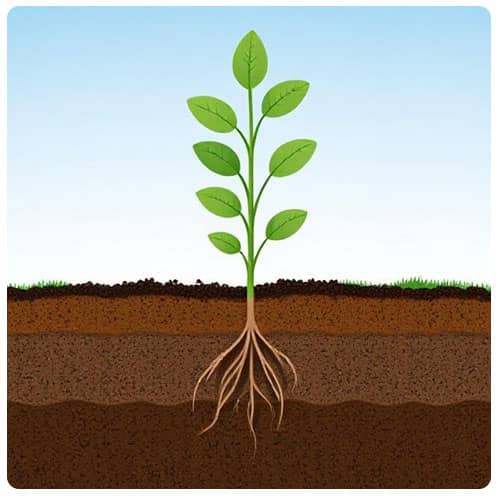
Compacted soil layers hinder root penetration and limit the depth to which plants can access nutrients and moisture. This results in stunted growth, lower crop yields, and increased susceptibility to drought.
3. Decreased Soil Aeration
Reduced pore space limits oxygen diffusion, affecting microbial activity and root respiration. Oxygen-deficient soils promote anaerobic processes that can produce toxic compounds like methane and hydrogen sulfide.
4. Increased Soil Erosion
Surface compaction leads to greater water runoff, which washes away the fertile topsoil. This accelerates land degradation and loss of soil fertility over time.
5. Reduced Nutrient Availability
Due to limited microbial activity and restricted root development, compacted soils have lower nutrient uptake efficiency. Essential nutrients like nitrogen and phosphorus may become unavailable to plants.
6. Environmental Impacts
Compaction reduces the soil's carbon sequestration potential, contributing to greenhouse gas emissions. It also disrupts the natural infiltration of rainwater, increasing flood risks in nearby regions.
Types of Soil Compaction
Soil compaction can occur in different forms depending on the depth, intensity, and cause. The main types include surface compaction, subsurface compaction, and deep compaction.
1. Surface Compaction
This occurs in the top 5 - 10 cm of soil and is usually caused by raindrop impact, light machinery, or animal movement. Surface compaction reduces seedling emergence, water infiltration, and gas exchange. It is often visible as a hard crust on the soil surface.
2. Subsurface Compaction
Also known as the plow pan or traffic pan, this type occurs at 10 - 30 cm depth, mainly due to repeated tillage or machinery traffic. Subsurface compaction is particularly problematic in agricultural soils, as it restricts root growth and impedes drainage.
3. Deep Compaction
Deep compaction occurs below 30 cm and is caused by heavy machinery with high axle loads, especially on wet soils. This type of compaction is difficult to correct and can permanently damage soil structure, reducing its ability to store and transmit water and air.
Factors Influencing Soil Compaction
Several soil properties and environmental conditions determine the extent of compaction.
1. Soil Texture
Clay soils are more prone to compaction than sandy soils due to their smaller particle size and higher cohesiveness. However, sandy soils compact more easily under dry conditions.
2. Soil Moisture
Compaction risk increases when soil moisture is near its plastic limit. Wet soils are more deformable and thus more vulnerable to compression under load.
3. Organic Matter Content
Soils rich in organic matter have better structure and higher resilience against compaction. Organic matter acts as a binding agent that promotes aggregation and elasticity.
4. Machinery Load and Pressure
The weight, tire pressure, and number of passes of machinery directly influence the degree of soil compaction. Using wider tires or tracks helps distribute weight more evenly.
5. Land Management Practices
Improper crop rotation, overgrazing, and continuous traffic without rest periods can exacerbate compaction problems.
Prevention and Mitigation of Soil Compaction
While compaction is often unavoidable, it can be effectively managed and minimized through proper soil care and land-use practices.
1. Avoid Traffic on Wet Soils
Limit machinery and livestock movement when the soil is saturated to prevent deformation and structural collapse.
2. Use Controlled Traffic Farming (CTF)
CTF confines machinery movement to designated lanes, preserving the soil structure in the remaining field area.
3. Incorporate Organic Matter
Adding compost, manure, or green cover crops improves soil structure and enhances resilience against compaction.
4. Subsoiling and Deep Tillage
Mechanical loosening using subsoilers or rippers can break compacted layers and restore permeability, though this should be combined with preventive practices for lasting benefits.
5. Maintain Vegetative Cover
Cover crops and grasses protect the soil surface from rainfall impact, reducing crusting and erosion.
Conclusion
Soil compaction poses a significant threat to soil productivity, crop performance, and environmental sustainability. Understanding its causes, effects, and types is vital for developing sustainable land management strategies. By implementing preventive measures and adopting responsible agricultural and construction practices, we can preserve the natural structure and fertility of soils for future generations.
Please watch the following short video for Soil Compaction
Also Read:
 Standard Proctor Test: Procedure, Advantages, and Applications