
Epoxy Flooring: Types, Uses, Application Process, Advantages & Disadvantages
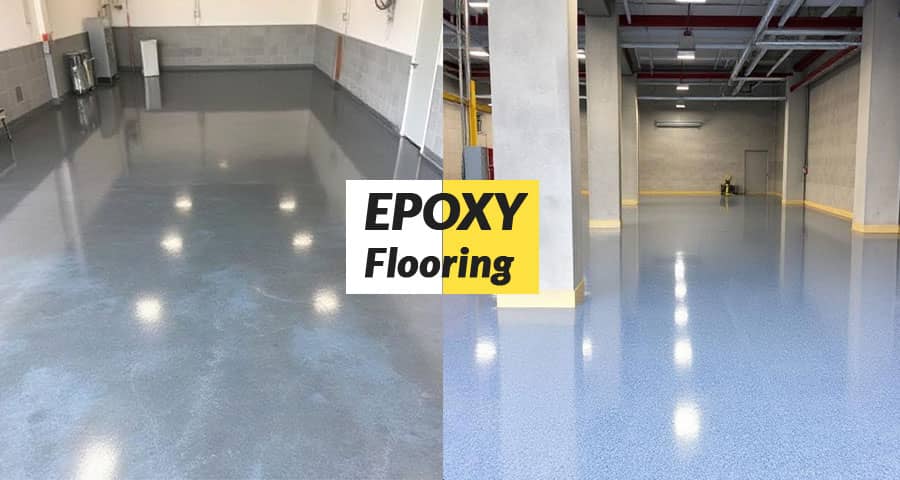
Epoxy flooring has emerged as one of the most durable and versatile flooring solutions across residential, commercial, and industrial spaces. Known for its seamless finish, chemical resistance, and long-lasting performance, epoxy flooring is widely used in warehouses, factories, hospitals, and even modern homes.
What is Epoxy Flooring?
Epoxy flooring is a protective surface coating created by combining epoxy resin with a polyamine hardener. When applied to concrete, this mixture cures into a tough, glossy, and seamless surface that can withstand heavy loads, harsh chemicals, and high traffic. Unlike ordinary floor paints, epoxy bonds with the substrate, creating a durable flooring system suitable for industrial and decorative purposes.
Types of Epoxy Flooring
There are multiple types of epoxy flooring, each tailored to meet different functional and aesthetic requirements:
1. Self-Leveling Epoxy Floors
- Provides a smooth and even surface over new or old concrete.
- Ideal for warehouses, kitchens, showrooms, and residential garages.
- Offers a glossy, clean, and dust-free finish.
2. Epoxy Mortar Floors
- Made with 100% solid epoxy mixed with quartz or graded sand.
- Extremely durable and impact-resistant.
- Commonly used in heavy-duty industrial environments like plants and repair shops.
3. Quartz-Filled Epoxy Flooring
- Combines epoxy resin with colored quartz grains.
- Offers both decorative appeal and slip resistance.
- Suitable for locker rooms, restrooms, lobbies, and healthcare facilities.
4. Anti-Static Epoxy Floors (ESD Epoxy)
- Designed for areas with sensitive electronic equipment.
- Prevents static electricity buildup.
- Commonly used in pharmaceutical plants, laboratories, and electronic manufacturing units.
5. Flake Epoxy Flooring
- Contains colored flakes or chips embedded within the epoxy base coat.
- Provides a decorative look with slip resistance.
- Perfect for garages, showrooms, and sports facilities.
6. Metallic Epoxy Flooring
- Infused with metallic pigments that create a 3D, marble-like effect.
- Highly decorative, often chosen for luxury homes, hotels, and retail spaces.
- Offers a unique high-gloss aesthetic appeal.
Common Uses of Epoxy Flooring
Epoxy flooring is widely adopted due to its versatility. Here are some key applications:
- Industrial and Manufacturing Plants - Withstands heavy machinery and chemical spills.
- Warehouses and Logistics Centers - Handles constant foot and forklift traffic.
- Hospitals and Laboratories - Provides a hygienic, seamless, and bacteria-resistant surface.
- Residential Homes - Popular in garages, basements, and kitchens for durability and style.
- Retail and Commercial Spaces - Adds a sleek, professional, and modern finish.
- Food and Beverage Facilities - Complies with hygiene regulations and ensures easy cleaning.
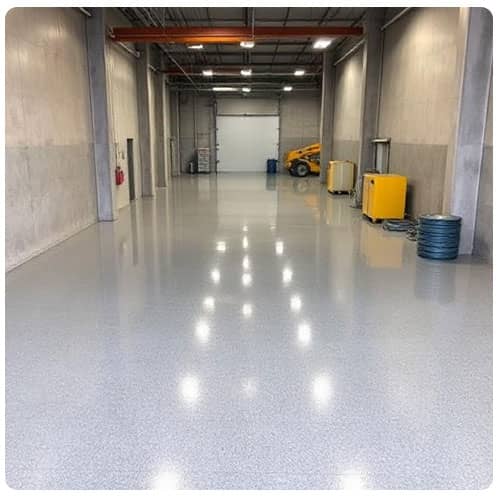
Epoxy Flooring Application Process
Applying epoxy flooring requires precision and proper technique. The process typically includes the following steps:
1. Surface Preparation
- Clean and grind the concrete surface to remove dust, oil, or old coatings.
- Repair any cracks or holes to create a smooth base.
- A properly prepared surface ensures strong bonding of epoxy.
2. Priming the Surface
- Apply an epoxy primer coat to improve adhesion.
- The primer also acts as a sealer for porous concrete.
3. Mixing Epoxy Components
- Combine epoxy resin with hardener according to manufacturer instructions.
- Mix thoroughly to ensure consistent curing and performance.
4. Application of Base Coat
- Apply the first epoxy base coat using rollers or squeegees.
- Spread evenly across the entire surface.
5. Addition of Decorative Elements (Optional)
- Add flakes, quartz grains, or metallic pigments for aesthetics and slip resistance.
6. Application of Top Coat
- Apply a clear epoxy or polyurethane top coat for enhanced durability and shine.
- This layer provides scratch resistance, UV protection, and a glossy finish.
7. Curing Time
- Allow the floor to cure for 24 - 72 hours, depending on the product and environmental conditions.
- Avoid traffic during this period for best results.
Advantages of Epoxy Flooring
Epoxy flooring is chosen worldwide for its numerous benefits, including:
- Durability - Resistant to heavy loads, impacts, and abrasions.
- Chemical Resistance - Protects against oils, acids, solvents, and cleaning agents.
- Aesthetic Appeal - Available in a variety of colors, finishes, and patterns.
- Seamless & Hygienic - Prevents dust accumulation and bacterial growth.
- Cost-Effective - Long lifespan reduces frequent repair or replacement costs.
- Safety Features - Can be made slip-resistant and fire-resistant.
- Eco-Friendly Options - Low-VOC and water-based epoxies are available.
Disadvantages of Epoxy Flooring
Despite its strengths, epoxy flooring has a few drawbacks to consider:
- Slippery When Wet - Without anti-slip additives, epoxy floors can be hazardous.
- Curing Time - Requires several days before full use.
- Complex Installation - Professional application is recommended for best results.
- Surface Preparation Required - Poor preparation can lead to peeling or bubbling.
- Cold and Hard Surface - May feel uncomfortable in residential settings without underlayment.
- UV Sensitivity - Some epoxy coatings may yellow or fade when exposed to sunlight.
Maintenance of Epoxy Flooring
Maintaining epoxy flooring ensures its longevity and pristine appearance:
- Regularly sweep and mop to remove dust and debris.
- Use mild detergents for cleaning; avoid harsh acids.
- Place floor mats at entrances to reduce scratches.
- Reapply a protective top coat every few years in high-traffic areas.
Conclusion
Epoxy flooring is a high-performance solution that balances strength, hygiene, and aesthetics. Whether you need a robust industrial floor or a stylish modern finish, epoxy flooring offers a wide range of options. By understanding the types, uses, application process, advantages, and limitations, you can make an informed decision that aligns with your project's needs.
Also Read:
 How to Stop Water Leakage from Ceiling?