
Differences Between Mild Steel and Stainless Steel
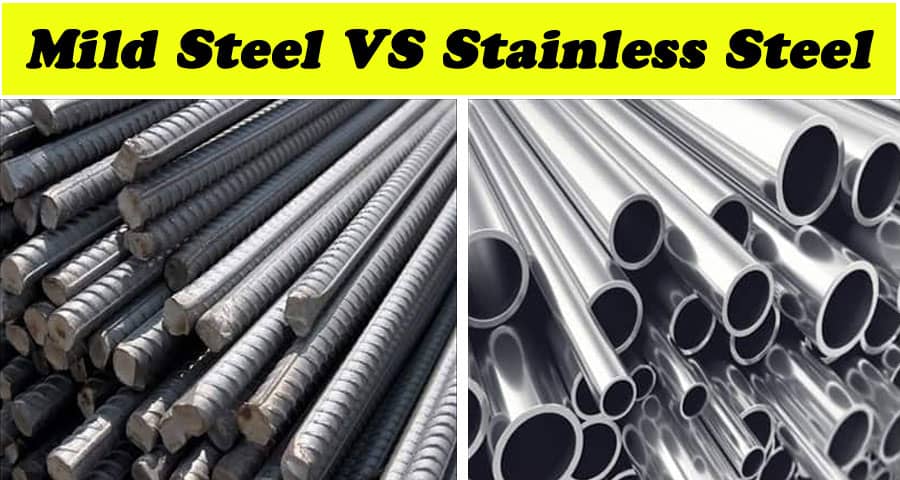
Steel is one of the most versatile materials used in construction, manufacturing, and engineering industries worldwide. Among its various types, mild steel and stainless steel are the most commonly used. While both are alloys of iron, they differ significantly in composition, properties, and applications. Understanding these key differences between mild steel and stainless steel is essential for selecting the right material for your project.
What Is Mild Steel?
Mild steel, also known as low carbon steel, contains a very small percentage of carbon - typically between 0.05% to 0.25%. Due to its low carbon content, mild steel is ductile, malleable, and easy to shape or weld. It is widely used in industries where strength and flexibility are more important than corrosion resistance.
Mild steel does not contain significant amounts of chromium or other alloying elements that enhance corrosion resistance. Therefore, it can rust when exposed to moisture or chemicals unless protected by paint, galvanization, or coating.
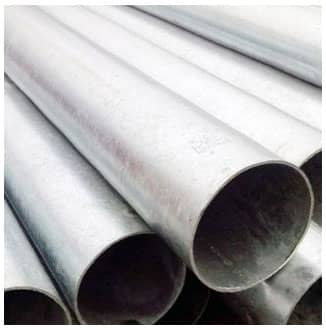
Key Features of Mild Steel
- Carbon Content: 0.05% to 0.25%
- Tensile Strength: 400 - 550 MPa
- Magnetic Properties: Highly magnetic
- Corrosion Resistance: Poor without protective coating
- Weldability: Excellent
- Cost: Very economical compared to stainless steel
What Is Stainless Steel?
Stainless steel is an iron-based alloy that contains at least 10.5% chromium by mass, along with other alloying elements like nickel, molybdenum, and manganese. The chromium content forms a thin layer of chromium oxide on the surface, which prevents rust and corrosion, making stainless steel highly resistant to oxidation.
There are several grades of stainless steel, such as Austenitic (304, 316), Ferritic (430), and Martensitic (410), each designed for specific applications requiring different levels of strength, heat resistance, and corrosion protection.
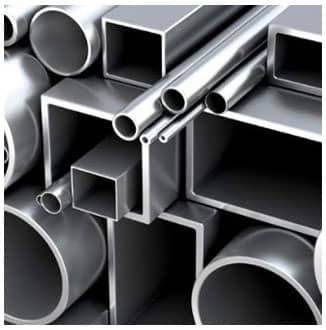
Key Features of Stainless Steel
- Chromium Content: Minimum 10.5%
- Tensile Strength: 520 - 1300 MPa (depending on grade)
- Corrosion Resistance: Excellent
- Magnetic Properties: Varies by grade (some magnetic, some non-magnetic)
- Aesthetic Appeal: Shiny and polished finish
- Maintenance: Low
- Cost: Higher than mild steel
Chemical Composition Comparison
| Element | Mild Steel | Stainless Steel |
|---|---|---|
| Iron (Fe) | Balance | Balance |
| Carbon (C) | 0.05 - 0.25% | 0.03 - 1.2% |
| Chromium (Cr) | ≤ 0.25% | 10.5 - 20% |
| Nickel (Ni) | - | 0 - 12% |
| Manganese (Mn) | 0.25 - 1.0% | 1 - 2% |
| Molybdenum (Mo) | - | 0 - 3% |
The presence of chromium and nickel in stainless steel makes it far superior in resisting corrosion compared to mild steel.
Mechanical Properties Comparison
1. Strength and Hardness
Stainless steel exhibits higher tensile strength and hardness than mild steel. The alloying elements increase its ability to withstand stress and high temperatures, making it ideal for heavy-duty and high-pressure applications such as pipelines, valves, and chemical equipment.
In contrast, mild steel, while strong, is more flexible and ductile, allowing for easier fabrication and machining.
2. Ductility and Malleability
Mild steel's low carbon content makes it extremely ductile and malleable, allowing it to be rolled, bent, and shaped without cracking. Stainless steel, on the other hand, though strong, can be less ductile, particularly in high-carbon grades.
3. Toughness
Both materials possess good toughness, but stainless steel maintains its toughness at both high and low temperatures, whereas mild steel becomes brittle under extreme cold.
Corrosion Resistance
One of the most significant differences between mild steel and stainless steel lies in their resistance to corrosion and rust.
- Mild Steel: Susceptible to rust and corrosion when exposed to air or moisture. Protective coatings like paint, galvanization, or powder coating are required to improve its longevity.
- Stainless Steel: Naturally resists corrosion due to its chromium oxide film, making it suitable for marine environments, food processing equipment, and chemical industries.
Cost Comparison
Mild steel is considerably cheaper than stainless steel due to its simpler composition and lower manufacturing cost. It is ideal for mass production, construction frameworks, and general fabrication.
Stainless steel, while more expensive, offers superior durability, hygiene, and lifespan, making it a better long-term investment for specific industries like medical, food processing, and architecture.
Applications of Mild Steel
Mild steel is preferred where strength, formability, and cost efficiency are priorities. Common uses include:
- Structural frameworks and building components
- Automobile bodies and chassis
- Fencing, gates, and metal grills
- Pipelines and machinery parts
- Furniture and household appliances
Applications of Stainless Steel
Due to its corrosion resistance and aesthetic finish, stainless steel is used in:
- Kitchenware, cutlery, and cookware
- Food and beverage processing plants
- Medical instruments and surgical tools
- Chemical and pharmaceutical industries
- Decorative architecture and interior design
- Marine applications and offshore structures
Maintenance and Durability
Stainless steel requires minimal maintenance because it resists rust naturally and maintains its shine and luster for years. Cleaning with mild detergent and water is usually sufficient.
Mild steel, on the other hand, requires frequent painting or coating to prevent corrosion, increasing long-term maintenance costs.
Aesthetic and Finishing Differences
Stainless steel has a brilliant, polished, and elegant appearance, making it a favorite for modern architectural and interior designs. It maintains its finish without tarnishing over time.
Mild steel, though strong, has a dull gray appearance that can be enhanced with paint or coatings but lacks the inherent shine of stainless steel.
Weldability and Fabrication
Mild steel offers excellent weldability and machinability, which makes it easy to fabricate complex structures and shapes. It is ideal for welding operations in construction and automotive industries.
Stainless steel can also be welded but requires specialized techniques and filler materials to prevent corrosion or distortion during the process.
Environmental Impact and Recyclability
Both mild steel and stainless steel are 100% recyclable, contributing to sustainable development. However, stainless steel has an advantage because it is longer-lasting, reducing the frequency of replacement and waste generation over time.
Summary: Key Differences Between Mild Steel and Stainless Steel
| Parameter | Mild Steel | Stainless Steel |
|---|---|---|
| Carbon Content | 0.05 - 0.25% | 0.03 - 1.2% |
| Chromium Content | ≤ 0.25% | ≥ 10.5% |
| Corrosion Resistance | Poor | Excellent |
| Strength | Moderate | High |
| Cost | Low | High |
| Ductility | High | Moderate |
| Magnetic | Yes | Varies by grade |
| Appearance | Dull | Shiny and smooth |
Which One Should You Choose?
The choice between mild steel and stainless steel depends on your application, budget, and environmental conditions.
- Choose mild steel for cost-effective structural applications where corrosion is not a major concern.
- Choose stainless steel for aesthetic, hygienic, or corrosion-prone environments where durability and appearance matter.
Both materials have their own strengths and serve essential roles in industrial and commercial sectors.
Please watch the following short video for Differences Between Mild Steel and Stainless Steel
Also Read:
 Innovative Ways to Hide Hairline Cracks in a Wall