
All About Transom Window: A Complete Guide to Design, Benefits, Types, and Installation
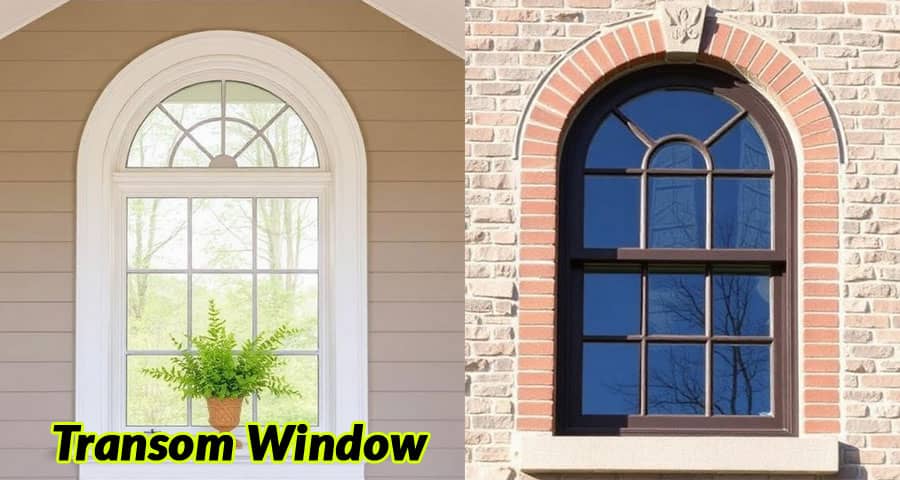
Transom windows are an enduring architectural element that seamlessly blends functionality, aesthetics, and natural light optimization. Positioned above doors or larger windows, these elegant glass features have evolved from purely functional ventilation solutions into sophisticated design statements used across residential, commercial, and institutional buildings.
What Is a Transom Window?
A transom window is a horizontal window installed above a door or another window, separated by a structural beam known as the transom. Traditionally operable, modern transom windows can be either fixed or operable, depending on ventilation needs and architectural intent. Their primary purposes include enhancing airflow, increasing daylight penetration, and adding visual height to interiors.
Historical Evolution of Transom Windows
Transom windows date back to classical and colonial architecture, where they played a vital role before mechanical ventilation systems existed. In historic homes, transoms allowed hot air to escape while maintaining privacy and security. Over time, architects integrated decorative glass, turning transom windows into ornamental focal points. Today, they remain relevant in both heritage restorations and contemporary designs.
Key Benefits of Transom Windows
Enhanced Natural Light
By positioning glass higher on the wall, transom windows channel sunlight deeper into interior spaces without compromising privacy. This results in brighter rooms, reduced reliance on artificial lighting, and improved energy efficiency.
Improved Air Circulation
Operable transom windows promote passive ventilation, allowing warm air to rise and exit naturally. This is particularly valuable in tropical and warm climates where airflow optimization reduces cooling costs.
Architectural Elegance
Transom windows create a sense of vertical expansion, making ceilings appear higher and spaces more open. They add symmetry, balance, and character to both interior and exterior elevations.
Energy Efficiency
Modern transom windows equipped with double glazing, Low-E coatings, and insulated frames help regulate indoor temperatures, contributing to long-term energy savings.
Types of Transom Windows
Fixed Transom Windows
Fixed transoms are non-operable and primarily used for aesthetic appeal and daylight enhancement. They are ideal where ventilation is not required but architectural consistency is desired.
Operable Transom Windows
Operable transoms can be opened manually or automatically. These are commonly installed above interior doors to facilitate cross-ventilation in homes and offices.
Interior Transom Windows
Installed between rooms, interior transoms allow light transfer and airflow while maintaining separation. They are frequently used in hallways, offices, and heritage buildings.
Exterior Transom Windows
Exterior transoms are placed above entry doors or windows, adding curb appeal and enhancing fa?ade symmetry.
Decorative and Stained Glass Transoms
These transoms incorporate etched, frosted, or stained glass, making them artistic elements that enhance classic and luxury interiors.
Popular Transom Window Shapes and Styles
Rectangular Transom Windows
The most common and versatile option, rectangular transoms suit modern, traditional, and transitional designs.
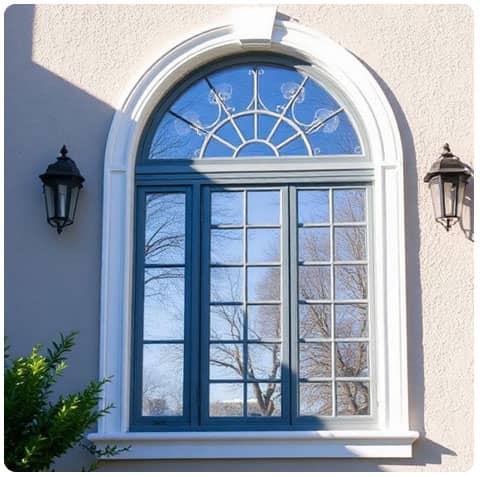
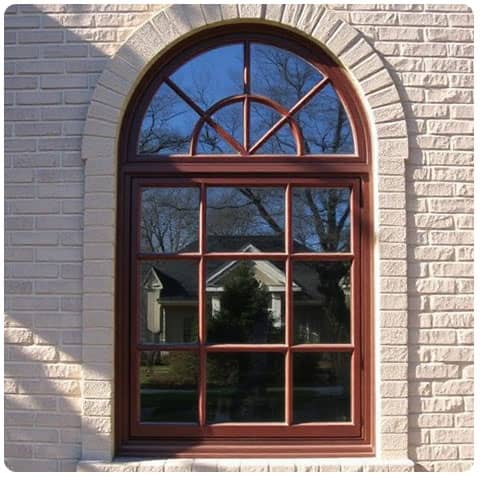
Arched Transom Windows
Arched transoms add elegance and are often seen in Mediterranean, Victorian, and colonial architecture.
Fanlight Transom Windows
Fanlights feature radiating muntins and are typically placed above doors, offering a timeless, decorative appearance.
Materials Used in Transom Windows
Glass Options
- Clear Glass for maximum visibility and light
- Frosted Glass for privacy
- Tinted Glass for glare reduction
- Low-E Glass for energy efficiency
Frame Materials
- Wood for classic and luxury aesthetics
- Aluminum for durability and modern appeal
- uPVC for low maintenance and insulation
- Steel for industrial and heritage projects
Where to Use Transom Windows
Above Entry Doors
Creates an inviting entrance while illuminating foyers and corridors.
Living Rooms and Hallways
Adds daylight to interior spaces that typically lack direct window access.
Bedrooms
Placed above doors or windows to improve airflow without sacrificing privacy.
Commercial and Office Spaces
Enhances daylighting strategies, reduces energy consumption, and elevates interior design.
Installation Considerations for Transom Windows
Proper installation is critical for performance and longevity. Structural assessment ensures the wall can support the opening without compromising integrity. Accurate measurements, high-quality sealants, and professional glazing prevent air leaks and water infiltration. For operable transoms, hardware alignment and accessibility must be planned carefully.
Maintenance and Longevity
Transom windows require minimal maintenance. Regular cleaning of glass surfaces, periodic inspection of seals, and lubrication of hinges for operable units ensure long-lasting clarity and functionality. Modern materials significantly reduce upkeep compared to traditional wooden frames.
Transom Windows in Modern Architecture
In contemporary homes, transom windows are used to blur the line between indoor and outdoor spaces, complementing minimalist designs and open floor plans. Architects often combine transoms with clerestory windows to maximize daylight while maintaining privacy and thermal control.
Why Transom Windows Add Long-Term Value
Homes and buildings featuring transom windows benefit from enhanced visual appeal, improved energy efficiency, and superior indoor comfort. These features increase property desirability and align with sustainable building practices, making transom windows a smart architectural investment.
Conclusion
Transom windows are more than decorative accents; they are functional architectural solutions that elevate light, air, and aesthetics. With diverse styles, materials, and applications, they adapt effortlessly to both traditional and modern environments. Incorporating transom windows results in brighter spaces, refined design, and long-term performance advantages that stand the test of time.
Please view the following short video for Transom Window
Also Read:
 Understanding Spalling Concrete: Causes and Solutions