
Cement Ingredients: A Comprehensive Guide to Key Components and Their Functions

Understanding the ingredients of cement is essential for achieving superior construction performance, enhanced durability, and long-term structural integrity. As a cornerstone of modern construction, cement derives its strength, setting properties, and workability from a carefully balanced combination of raw materials.
What Is Cement Made Of? An In-Depth Overview
Cement is composed of a precise mixture of lime, silica, alumina, iron oxide, gypsum, and other minor additives. When these materials are proportioned and processed correctly, they produce a binding material capable of withstanding immense loads while resisting environmental degradation.
These ingredients undergo processes such as crushing, blending, heating in the kiln, and grinding, ultimately forming clinker, which is later ground with gypsum to produce the fine powder known as cement.
Lime (Calcium Oxide): The Backbone of Cement Strength
Lime (CaO) is the major ingredient in cement and typically represents 60 - 65% of the total composition. Derived mainly from limestone, seashells, or chalk, lime provides the essential calcium content needed for cement formation.

Role of Lime in Cement
- Enhances compressive strength
- Aids in the formation of tricalcium silicate (C3S) and dicalcium silicate (C2S) - the two compounds responsible for early and late strength
- Promotes soundness, preventing expansion after setting
Optimal lime content is critical. Excess lime leads to unsoundness, while insufficient lime results in weak cement. Therefore, maintaining a perfect balance is crucial for consistent quality.
Silica (SiO2): The Strength Creator
Silica, typically obtained from sand, clay, or sandstone, makes up 17 - 25% of the cement mixture. This ingredient plays a transformative role in shaping the final properties of cement.
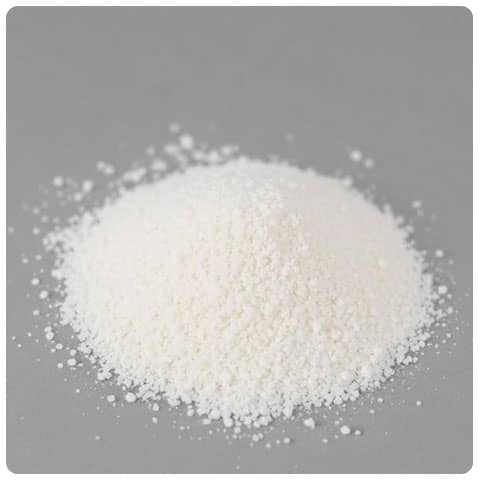
Function of Silica
- Reacts with lime during kiln operations to form calcium silicates
- Enhances long-term strength
- Improves durability against chemical attacks
While silica contributes to strength development, excessive amounts can delay the setting time and increase kiln fuel consumption.
Alumina (Al2O3): Responsible for Setting Time
Alumina, constituting 3 - 8% of cement content, is sourced from bauxite, clay, or shale.
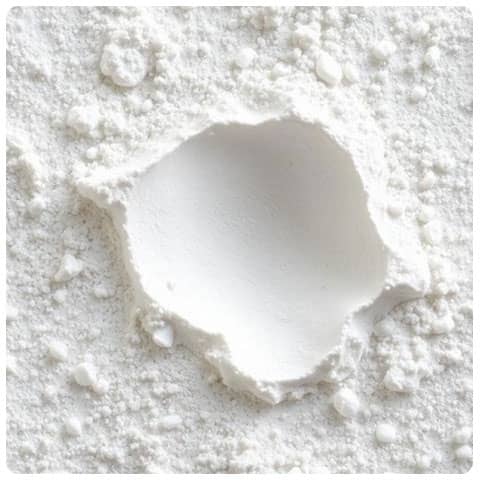
Key Functions of Alumina
- Determines setting time
- Contributes to tricalcium aluminate (C3A) formation
- Improves workability
Alumina facilitates the fusion of raw materials during clinker production, reducing the kiln temperature requirement. However, high alumina content can make cement vulnerable to sulfate attacks.
Iron Oxide (Fe2O3): Enhancing Color and Strength
Iron oxide, making up about 1 - 4%, is derived from iron ore, mill scale, or clay.
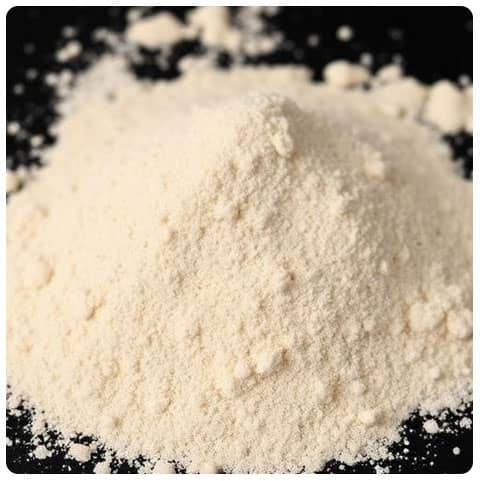
Why Iron Oxide Matters
- Influences the color of cement (imparts grayish tint)
- Aids in forming tetracalcium aluminoferrite (C4AF), contributing to strength
- Enhances clinker formation by lowering fusion temperatures
While not a primary strength contributor, iron oxide plays a vital role in kiln efficiency and cement consistency.
Gypsum (CaSO4. 2H2O): The Essential Setting Regulator
Gypsum is added (3 - 5%) during final grinding to control the setting time of cement.
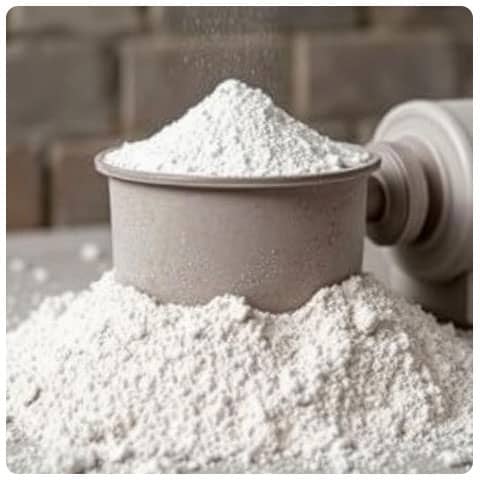
Function of Gypsum
- Prevents flash setting
- Allows adequate time for mixing, transporting, and placing
- Ensures smooth hardening
Without gypsum, cement would set almost instantly upon mixing with water, making it impossible to work with.
Magnesia (MgO): A Minor But Impactful Ingredient
Present in small quantities (1 - 3%), magnesia is obtained from dolomite or magnesite.
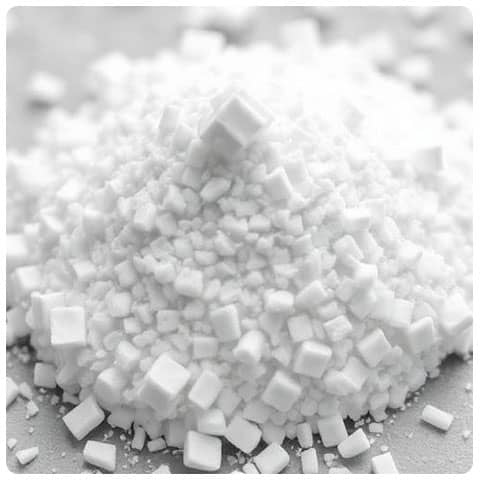
Role of Magnesia
- Contributes to strength and hardness
- Enhances color
However, excess magnesia leads to unsoundness and expansion, which can crack hardened concrete. Therefore, its proportion is carefully controlled.
Sulfur Trioxide (SO3): A Supportive Regulator
Sulfur trioxide, present in trace amounts (1 - 3%), supports the regulation of setting time and improves the performance of various cement varieties.
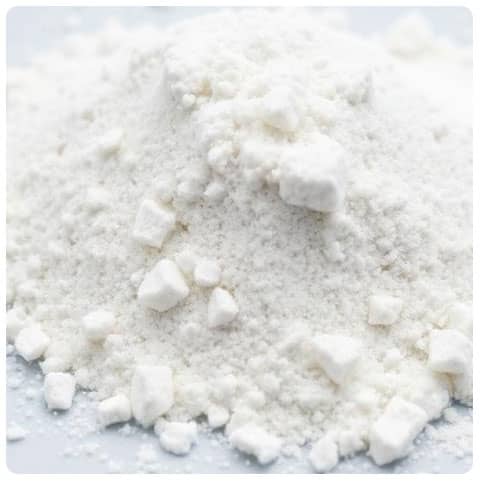
Key Benefits of Sulfur Trioxide
- Stabilizes the hydration reaction
- Prevents undesirable expansion
Alkalis (Na2O & K2O): Controlling Efflorescence and Durability
Alkalis form between 0.2 - 1% of cement composition.
Effects of Alkalis
- Influence efflorescence
- Accelerate setting and hardening
- React with silica aggregates, potentially causing alkali-aggregate reaction (AAR)
Excess alkalis can lead to expansion and cracking; thus, low-alkali cement is essential for reactive aggregates.
Mix Proportions and Their Impact on Cement Quality
Each ingredient must be present in controlled proportions to meet standard performance requirements. The ideal mix ensures:
- Balanced setting and hardening
- Optimal compressive strength
- Improved workability
- High durability in various environments
This balance is achieved through chemical analysis, raw material selection, and precision in kiln operations.
Chemical Compounds Formed During Cement Production
When cement ingredients are heated in the kiln, they form four primary compounds:
1. Tricalcium Silicate (C3S)
- Major contributor to early strength
- Rapid hydration reaction
2. Dicalcium Silicate (C2S)
- Responsible for long-term strength development
- Slow hydration rate
3. Tricalcium Aluminate (C3A)
- Causes initial setting
- Highly reactive with water
4. Tetracalcium Aluminoferrite (C4AF)
- Provides color and contributes marginally to strength
These compounds determine the physical and mechanical properties of cement, making them essential to construction performance.
Understanding the Importance of Each Ingredient
Each element in cement performs a specific and critical function. Together, they create a material capable of binding aggregates, resisting environmental factors, and ensuring long-term structural reliability.
Cement quality is influenced by:
- Raw material selection
- Kiln temperature precision
- Grinding processes
- Additives and admixtures
Understanding these ingredients helps engineers, builders, and contractors choose the right cement type for every construction requirement.
Conclusion
Cement ingredients play a pivotal role in defining the strength, longevity, and overall behavior of cement in structural applications. By mastering the function and importance of each component - lime, silica, alumina, iron oxide, gypsum, magnesia, sulfur trioxide, and alkalis - we ensure consistency, quality, and dependable performance across all construction environments.
Please watch the following short video for Cement Ingredients
Also Read:
 Maximizing Efficiency in Construction Management with the Critical Path Method
How to Determine the Right Quantity of Water in M20 Grade Concrete
The Guide to Road Patterns: Types and Advantages
The Ultimate Guide to Water Bound Macadam Road Construction
Comprehensive Guide to Types of Drip Irrigation and Their Uses