
Damp Proof Course in Construction: Types, Uses and Methods
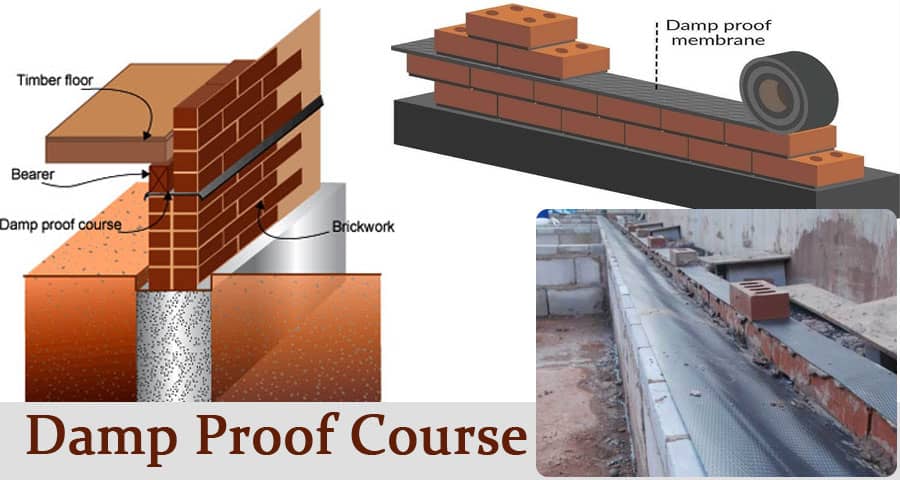
Introduction to Damp Proof Course (DPC)
In building construction, moisture penetration is one of the most serious problems that affects the strength, durability, and life of a structure. Dampness not only damages walls and floors but also leads to paint failure, plaster deterioration, mold growth, and unhealthy living conditions. To prevent moisture from entering the building, we use a Damp Proof Course (DPC).
A Damp Proof Course is a protective layer provided in walls, floors, and foundations to prevent moisture from rising through capillary action from the ground into the building structure. It is usually installed at the plinth level of the building.
What is Damp Proof Course (DPC)?
A Damp Proof Course (DPC) is defined as a layer of impermeable material placed in walls or floors to stop moisture from rising through the structure. The main purpose of DPC is to prevent dampness entering into walls, floors, and ceilings.
The dampness in buildings may occur due to:
- Capillary rise of groundwater
- Rain penetration
- Condensation
- Poor drainage
- Leakage from pipes
- Improper construction methods
Installing a proper DPC layer helps in increasing the life of the building and maintaining a healthy indoor environment.
Purpose of Damp Proof Course
The main purposes of providing a Damp Proof Course in construction are:
- To prevent moisture from rising through walls
- To protect plaster and paint
- To prevent efflorescence
- To avoid damage to wooden furniture
- To increase durability of building
- To prevent unhealthy living conditions
- To reduce maintenance cost
- To protect reinforcement steel from corrosion
Location of Damp Proof Course in Building
The Damp Proof Course is generally provided at the following locations:
- At plinth level
- In basement floors
- In walls
- Around doors and windows
- On parapet walls
- On roof surfaces
- Retaining walls
- Water tanks
- Sunken slabs (toilets and bathrooms)
The most important location is plinth level, where groundwater moisture rises through walls.
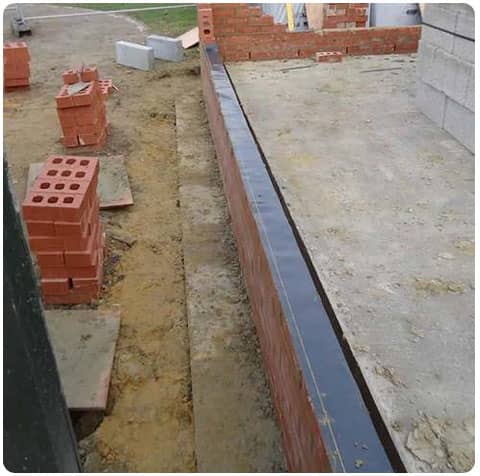
Types of Damp Proof Course
There are several types of Damp Proof Course used in construction depending on the material used.
1. Flexible Damp Proof Course
Flexible DPC materials are flexible in nature and do not crack easily.
Common flexible materials include:
- Bituminous sheets
- Plastic sheets
- Polythene sheets
- Mastic asphalt
- Metal sheets (lead, copper, aluminum)
These materials are easy to install and provide effective moisture resistance.
2. Rigid Damp Proof Course
Rigid DPC materials are semi-rigid or rigid materials placed in mortar or concrete.
Common rigid materials include:
- Rich cement mortar
- Cement concrete
- Stone slabs
- Bricks
- Slates
Rigid DPC is commonly used in low-cost construction.
3. Semi-Rigid Damp Proof Course
Semi-rigid DPC includes materials that are partially flexible and partially rigid.
Examples:
- Mastic asphalt
- Dense concrete
- Bituminous concrete
This type provides good waterproofing and durability.
Materials Used for Damp Proof Course
The selection of DPC material depends on:
- Moisture level
- Soil condition
- Building type
- Load on wall
- Cost
Common DPC materials are:
| Material | Properties |
|---|---|
| Bitumen | Waterproof and flexible |
| Mastic asphalt | Durable and waterproof |
| Cement mortar | Economical |
| Cement concrete | Strong and durable |
| Polythene sheet | Lightweight and waterproof |
| Metal sheets | Long lasting |
| Stone slabs | Strong and rigid |
| Slate | Dense and waterproof |
Methods of Damp Proofing
There are several methods of damp proofing used in building construction.
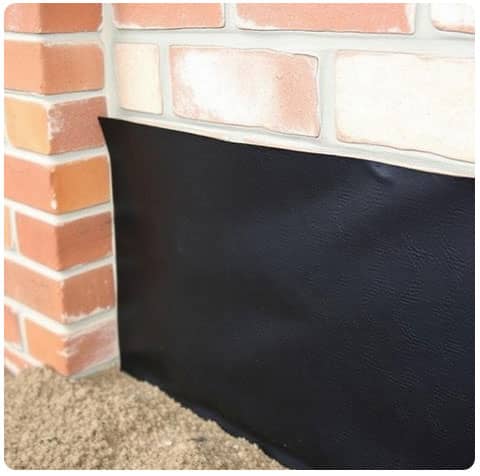
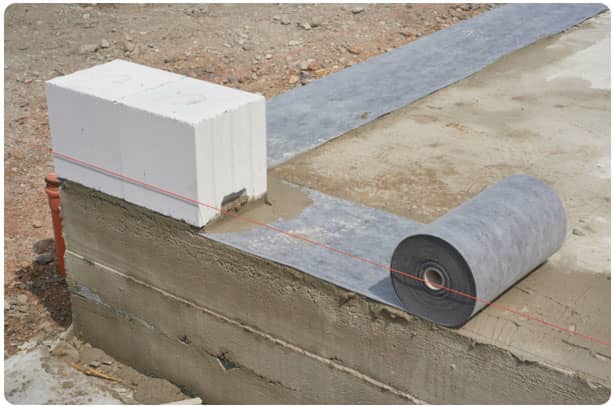
1. Membrane Damp Proofing
In this method, a waterproof membrane is placed between layers of building materials to prevent moisture penetration.
Membrane materials include:
- Bitumen sheets
- Plastic sheets
- Metal sheets
- Asphalt
- Polythene sheets
This is the most commonly used damp proofing method.
2. Integral Damp Proofing
In this method, waterproofing compounds are mixed with cement, mortar, or concrete during construction.
Common compounds used:
- Calcium chloride
- Sodium silicate
- Aluminum sulfate
- Waterproofing chemicals
This method reduces permeability of concrete.
3. Surface Treatment Method
In this method, waterproof coating is applied on the surface of walls and floors.
Surface treatment materials include:
- Bitumen
- Waterproof paint
- Cement coating
- Varnish
- Acrylic coating
- Silicone coating
This method is suitable for existing buildings.
4. Guniting Method
In this method, cement mortar is sprayed under pressure on the wall surface to make it waterproof.
The mortar used is usually 1:3 cement sand mortar.
This method is used for:
- Retaining walls
- Water tanks
- Basements
- Dams
- Tunnels
5. Cavity Wall Construction
In this method, two walls are constructed with a cavity space between them, preventing moisture from reaching the inner wall.
Advantages:
- Prevents dampness
- Provides thermal insulation
- Provides sound insulation
Requirements of Good Damp Proof Course
A good Damp Proof Course should have the following properties:
- Completely waterproof
- Durable
- Strong enough to carry load
- Free from cracks
- Flexible
- Economical
- Easy to install
- Should not deteriorate over time
- Should resist chemicals
- Should resist weathering
Advantages of Damp Proof Course
Providing DPC in construction offers many benefits:
- Prevents dampness
- Protects building structure
- Increases life of building
- Improves indoor air quality
- Prevents mold growth
- Reduces maintenance cost
- Protects paint and plaster
- Prevents efflorescence
- Protects wooden furniture
- Improves appearance of building
Disadvantages of Damp Proof Course
Some disadvantages include:
- Increases construction cost
- Requires skilled labor
- Improper installation leads to failure
- Not effective if building settlement occurs
- Damage during construction reduces effectiveness
Difference Between Damp Proofing and Waterproofing
| Damp Proofing | Waterproofing |
|---|---|
| Prevents moisture | Prevents water |
| Used in walls | Used in roofs and tanks |
| Less expensive | More expensive |
| Used at plinth level | Used in basements and roofs |
| Resists moisture | Resists water pressure |
Conclusion
The Damp Proof Course (DPC) is an essential component in building construction that prevents moisture penetration and protects the structure from damage. Proper selection of DPC materials, methods, and installation location plays a major role in increasing the durability, strength, and life of the building. Different types of damp proof courses such as flexible, rigid, and semi-rigid DPC are used depending on construction requirements. Various damp proofing methods like membrane damp proofing, integral damp proofing, surface treatment, guniting, and cavity wall construction are widely used in modern construction practices. Properly installed Damp Proof Course ensures a dry, healthy, and durable building structure for many years.
Please watch the following short video for Damp Proof Course in Construction
Also Read:
 Soil Hydrometer: How Does It Work, How to Read, How to Measure, Advantages, Disadvantages & Uses of Hydrometer