
All About of Mezzanine Floor
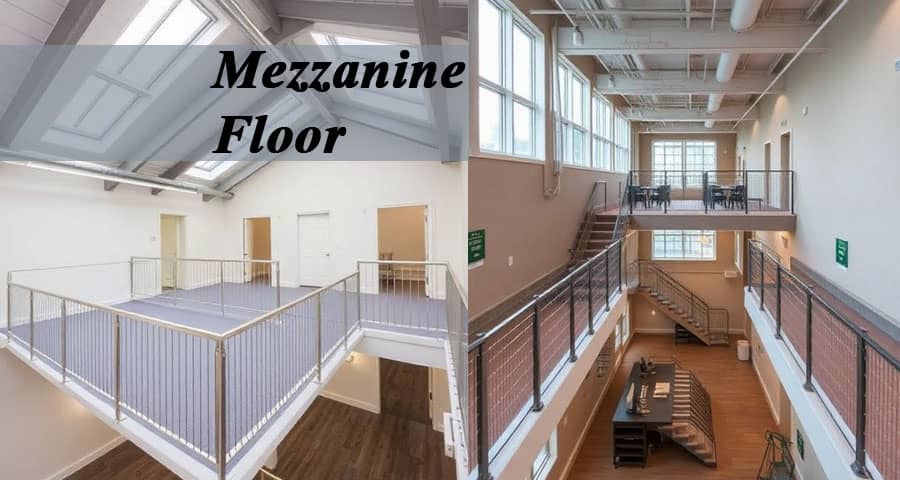
Introduction to Mezzanine Floors
A mezzanine floor is a highly efficient intermediate level constructed between the main floors of a building. It is not considered a full additional storey but serves as a functional extension of existing space. Mezzanine floors are widely used in commercial buildings, industrial warehouses, offices, retail outlets, factories, showrooms, and residential properties to maximize vertical space without expanding the building footprint.
By utilizing unused height, a mezzanine floor significantly increases usable floor area while maintaining cost efficiency and structural integrity. This solution has become essential in modern architecture and interior planning due to its flexibility, adaptability, and economic advantages.
What Is a Mezzanine Floor?
A mezzanine floor is a raised platform installed between the floor and ceiling of a building. It is typically supported by steel columns, beams, or reinforced concrete structures. Unlike conventional floors, mezzanine floors are partial and do not cover the entire floor area.
Mezzanine floors are designed to accommodate a variety of functions such as storage, office space, production areas, living spaces, retail displays, or utility zones. Their modular nature allows easy modification or relocation based on future requirements.
Types of Mezzanine Floors
Understanding the different types of mezzanine floors helps in selecting the most suitable option for a specific application.
Steel Mezzanine Floor
A steel mezzanine floor is one of the most popular choices due to its high load-bearing capacity, durability, and quick installation. It is commonly used in warehouses, factories, and industrial units where heavy loads are involved.
Concrete Mezzanine Floor
A concrete mezzanine floor offers excellent strength, fire resistance, and acoustic insulation. It is ideal for commercial buildings and residential spaces where long-term stability and permanence are required.
Wooden Mezzanine Floor
A wooden mezzanine floor is mainly used in residential and boutique commercial spaces. It provides aesthetic appeal, warmth, and design flexibility while supporting moderate loads.
Rack-Supported Mezzanine Floor
This type integrates directly with storage racks, making it highly efficient for warehouse storage systems. It maximizes vertical storage and optimizes inventory management.
Key Components of a Mezzanine Floor
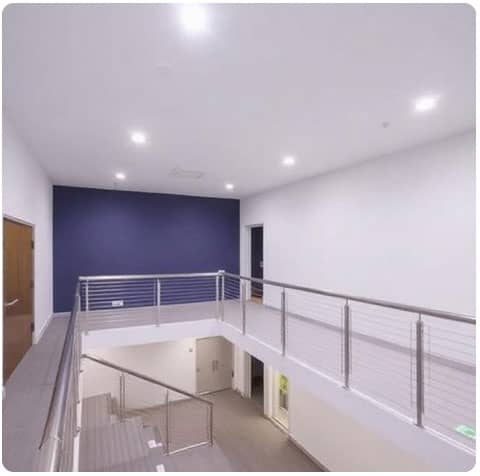
A well-designed mezzanine floor consists of several essential components that ensure safety and functionality:
- Main Beams and Secondary Beams
- Support Columns
- Decking or Flooring Panels
- Handrails and Guardrails
- Staircases or Access Ladders
- Lighting and Electrical Provisions
Each component plays a crucial role in maintaining structural integrity and user safety.
Advantages of Mezzanine Floors
Installing a mezzanine floor offers numerous benefits across various industries.
Maximizes Vertical Space
A mezzanine floor utilizes unused ceiling height, effectively doubling or tripling usable floor area without expanding the building footprint.
Cost-Effective Expansion
Compared to constructing a new building or adding a permanent floor, mezzanine floors offer a low-cost space expansion solution.
Quick Installation
Most mezzanine floors are prefabricated and modular, allowing fast installation with minimal disruption to ongoing operations.
Customizable Design
Mezzanine floors can be tailored in terms of size, load capacity, materials, and layout to suit specific needs.
Improved Workflow Efficiency
By separating activities such as storage, administration, and production, mezzanine floors enhance operational efficiency and space organization.
Applications of Mezzanine Floors
Mezzanine floors are versatile and suitable for multiple sectors.
Industrial and Warehouse Use
In warehouses and factories, mezzanine floors are used for storage, assembly lines, packing areas, and office cabins, increasing productivity and storage capacity.
Commercial Buildings
Retail stores and showrooms use mezzanine floors to create display areas, customer lounges, and inventory sections without altering the building structure.
Office Spaces
In offices, mezzanine floors provide additional workstations, meeting rooms, or breakout areas, optimizing space utilization.
Residential Homes
In residential settings, mezzanine floors are often used as bedrooms, study areas, libraries, or storage lofts, especially in high-ceiling homes and apartments.
Design Considerations for Mezzanine Floors
Proper planning ensures safety, durability, and compliance.
Load Capacity
Determining the required load-bearing capacity is essential to support equipment, furniture, or occupants.
Ceiling Height
Adequate clearance above and below the mezzanine floor is necessary to ensure comfort and usability.
Building Codes and Regulations
Compliance with local building regulations, fire safety norms, and structural standards is mandatory.
Access and Safety
Well-designed staircases, handrails, and emergency exits ensure safe access and movement.
Mezzanine Floor Construction Process
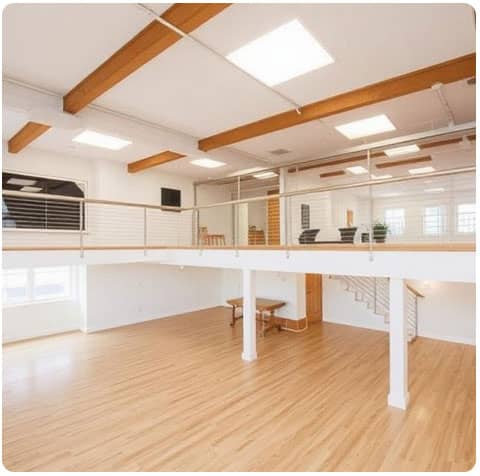
The construction process involves systematic planning and execution.
- Site Inspection and Measurement
- Structural Design and Load Analysis
- Material Selection
- Fabrication of Structural Components
- Installation and Assembly
- Safety Inspection and Finishing
This structured approach ensures long-term performance and safety.
Maintenance of Mezzanine Floors
Regular maintenance enhances durability and safety.
- Periodic structural inspections
- Checking for corrosion or wear
- Ensuring bolts and connections remain secure
- Maintaining flooring and safety rails
Proper maintenance extends the lifespan of the mezzanine floor significantly.
Mezzanine Floor Cost Factors
The cost of a mezzanine floor depends on various factors:
- Material type
- Load capacity
- Floor size
- Design complexity
- Installation requirements
Despite these variables, mezzanine floors remain one of the most economical space optimization solutions.
Why Choose a Mezzanine Floor Solution
A mezzanine floor is an intelligent investment for businesses and homeowners seeking efficient space utilization, scalability, and cost savings. Its adaptability makes it suitable for evolving needs, ensuring long-term value and functionality.
Conclusion
A mezzanine floor is a practical, flexible, and cost-effective solution to maximize space in residential, commercial, and industrial buildings. With proper design, quality materials, and professional installation, it significantly enhances usable area while maintaining safety and compliance. Whether for storage, office expansion, or living space, mezzanine floors represent modern space optimization at its best.
Please view the following short video for Mezzanine Floor
Also Read:
 Concrete Mix Design | Different Grades of Concrete | Grades of Concrete
Electrical MS Excel Spreadsheets | Download Electrical Sheet
Detailed Design of Trusses | Design of Roof Trusses
Sand Filling in Foundation | Why Sand Filling in Foundation is Essential
Foundation Depth for a 3-Storey Building | Foundation Reinforcement