
Difference Between Red Brick and AAC Brick
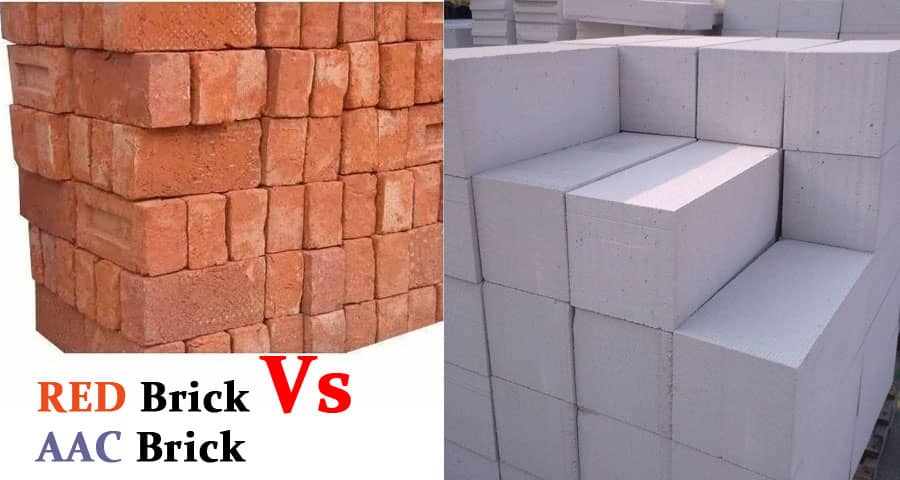
In the evolving construction industry, brick selection plays a critical role in determining the strength, durability, cost-efficiency, and sustainability of a building. Among the most widely used masonry units today are Red Bricks and AAC Bricks (Autoclaved Aerated Concrete Bricks). While red bricks represent a traditional and time-tested construction material, AAC bricks are a modern innovation designed to meet contemporary construction demands. Understanding the difference between red brick and AAC brick is essential for architects, engineers, builders, and property owners aiming for optimized construction outcomes.
What Are Red Bricks?
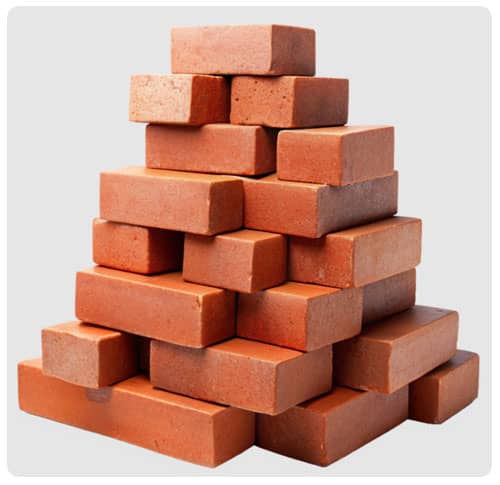
Red bricks, also known as burnt clay bricks, are manufactured by molding natural clay and firing it in kilns at high temperatures. This process gives red bricks their characteristic reddish color, high compressive strength, and long service life. Red bricks have been used for centuries and remain a popular choice for load-bearing walls, boundary walls, and traditional structures.
Key Characteristics of Red Bricks
- Manufactured from natural clay
- Fired in kilns at temperatures above 900°C
- High compressive strength
- Proven durability and longevity
- Traditional appearance and texture
What Are AAC Bricks?
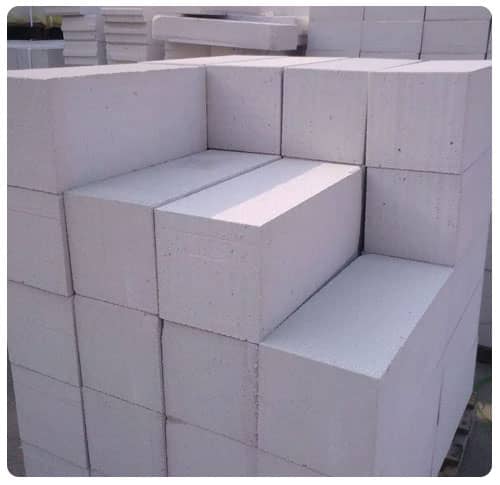
AAC bricks, or Autoclaved Aerated Concrete bricks, are lightweight masonry units produced using cement, lime, fly ash, aluminum powder, and water. The mixture undergoes a chemical reaction that forms air pockets, followed by curing in an autoclave under high pressure and steam. This results in a cellular structure that makes AAC bricks lightweight yet strong.
Key Characteristics of AAC Bricks
- Made from industrial by-products like fly ash
- Cured under high-pressure steam
- Highly lightweight and uniform
- Excellent thermal and sound insulation
- Environmentally friendly material
Difference Between Red Brick and AAC Brick
1. Raw Materials and Manufacturing Process
Red bricks are made from natural clay, which requires extensive mining and kiln firing, consuming large amounts of fuel. In contrast, AAC bricks utilize fly ash, a waste product from thermal power plants, making them a sustainable alternative. The autoclaving process of AAC bricks ensures consistency and precision in size and quality.
2. Weight and Density
One of the most significant differences between red brick and AAC brick is weight.
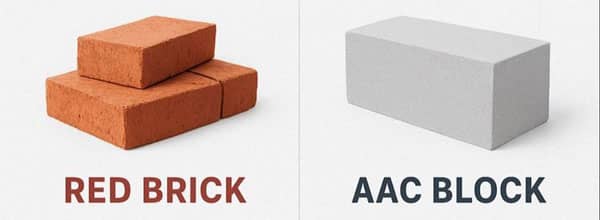
- Red bricks are dense and heavy, increasing the dead load on the structure.
- AAC bricks are nearly 3 - 4 times lighter, reducing structural load and allowing for economical foundation and structural design.
This lightweight nature directly impacts construction speed and cost efficiency.
3. Compressive Strength
Red bricks generally offer higher compressive strength, making them suitable for traditional load-bearing masonry. However, modern AAC bricks also meet structural requirements when used with reinforced concrete frameworks, making them ideal for high-rise and framed structures.
4. Thermal Insulation Performance
AAC bricks significantly outperform red bricks in thermal efficiency.
- AAC bricks contain millions of micro air pockets that provide excellent heat insulation, reducing indoor temperature fluctuations.
- Red bricks, being dense, absorb and transmit heat faster, leading to higher cooling and heating energy demands.
This makes AAC bricks a preferred choice for energy-efficient buildings.
5. Sound Insulation Properties
The porous structure of AAC bricks provides superior sound absorption, making them ideal for residential buildings, hospitals, hotels, and offices. Red bricks, while solid, offer comparatively lower sound insulation.
6. Fire Resistance
Both red bricks and AAC bricks are fire-resistant, but AAC bricks offer enhanced fire performance.
- AAC bricks can withstand fire exposure for up to 4 - 6 hours without structural failure.
- Red bricks are fire-resistant but may crack under prolonged extreme temperatures.
7. Water Absorption
Red bricks have high water absorption, often exceeding 15 - 20%, which can lead to dampness and efflorescence. AAC bricks have controlled and lower water absorption, improving moisture resistance when proper surface finishes are applied.
8. Construction Speed and Workability
AAC bricks are larger in size and lightweight, enabling:
- Faster wall construction
- Reduced mortar consumption
- Easier cutting and chasing for services
Red bricks, being smaller and heavier, result in slower construction progress and higher labor costs.
9. Mortar and Plaster Consumption
AAC bricks require thin-bed mortar, reducing material usage by up to 60%. Their smooth and uniform surface also minimizes plaster thickness. Red bricks require thicker mortar joints and plaster layers, increasing overall material consumption.
10. Cost Comparison
At first glance, red bricks may appear cheaper per unit, but overall project cost tells a different story.
- AAC bricks reduce structural steel quantity, foundation size, mortar, plaster, and labor costs.
- Red bricks increase dead load and associated structural costs.
Hence, AAC bricks are more economical in large-scale and modern construction projects.
Environmental Impact and Sustainability
Sustainability is a crucial factor in modern construction.
- Red brick manufacturing contributes to soil depletion and high carbon emissions due to kiln firing.
- AAC brick production uses industrial waste and consumes less energy, making it a green building material.
AAC bricks significantly contribute to LEED and GRIHA-rated buildings.
Durability and Maintenance
Red bricks have a long history of durability when maintained properly. AAC bricks, while relatively newer, demonstrate excellent resistance to pests, mold, and weathering when finished with appropriate coatings. Their dimensional accuracy reduces long-term maintenance issues such as cracking.
Applications of Red Brick vs AAC Brick
Red Bricks are commonly used in:
- Load-bearing structures
- Boundary and compound walls
- Traditional and rural construction
AAC Bricks are widely used in:
- High-rise buildings
- Residential apartments
- Commercial complexes
- Industrial and institutional projects
Which Is Better: Red Brick or AAC Brick?
The choice between red brick and AAC brick depends on project requirements. For traditional, small-scale construction, red bricks remain reliable. For modern, fast, energy-efficient, and cost-optimized construction, AAC bricks offer superior overall performance.
Conclusion
The difference between red brick and AAC brick lies in their material composition, weight, thermal efficiency, construction speed, cost-effectiveness, and environmental impact. While red bricks symbolize tradition and strength, AAC bricks represent innovation, sustainability, and efficiency. Selecting the right brick type ensures structural safety, energy savings, and long-term value for any construction project.
Please view the following short video for Difference Between Red Brick and AAC Brick
Also Read:
 How to Find Volume of a Slump Cone | Slump Test of Concrete