
Roof Ventilation: Types, Advantages and Disadvantages
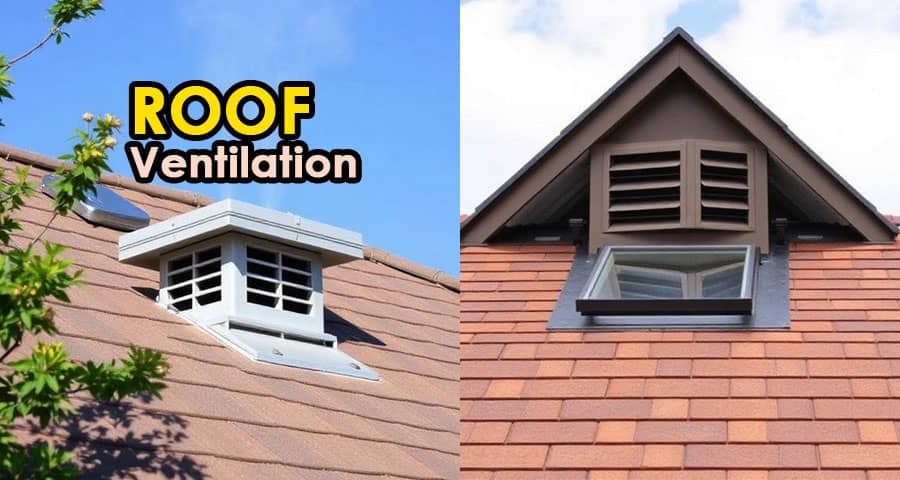
Introduction to Roof Ventilation
Roof ventilation is a critical component of modern building design that ensures the continuous movement of air through the attic or roof space. Proper ventilation helps regulate temperature, remove excess moisture, and improve the overall durability of roofing materials. When we design buildings with efficient roof ventilation systems, we significantly enhance energy efficiency, structural longevity, and indoor comfort.
A well-ventilated roof maintains a balanced airflow by allowing fresh air to enter through intake vents and warm, moist air to exit through exhaust vents. Without this balance, heat and moisture accumulate in the attic, causing numerous problems such as mold growth, wood rot, insulation damage, and higher cooling costs.
Understanding the Importance of Roof Ventilation
Roof ventilation plays a fundamental role in maintaining the health and performance of a building. We rely on ventilation systems to maintain thermal equilibrium and moisture control inside the roof cavity.
Key Functions of Roof Ventilation
1. Temperature Regulation
During hot weather, heat accumulates under the roof. Ventilation allows this heat to escape, preventing excessive attic temperatures.
2. Moisture Control
Moist air from kitchens, bathrooms, and living areas rises into the attic. Ventilation removes this moisture before condensation occurs.
3.Energy Efficiency
Proper airflow reduces the workload on HVAC systems, lowering electricity consumption.
4. Roof Longevity
Roofing materials such as shingles deteriorate faster when exposed to high temperatures and moisture buildup.
5. Improved Indoor Comfort
Balanced ventilation prevents heat transfer into living spaces, maintaining a comfortable indoor environment.
Main Types of Roof Ventilation Systems
Roof ventilation systems are generally classified into passive ventilation systems and active ventilation systems. Each system uses different mechanisms to circulate air within the roof structure.
1. Ridge Vents
What Are Ridge Vents?
Ridge vents are installed along the ridge line of the roof, allowing warm air to escape naturally from the highest point of the attic.
These vents are typically covered with a protective cap that prevents rain, insects, and debris from entering while still allowing airflow.
Advantages of Ridge Vents
- Uniform air distribution across the entire roof
- Low visibility, preserving the aesthetic appearance
- No electricity required, making them energy efficient
- Highly effective when combined with soffit vents
Disadvantages of Ridge Vents
- Less effective if intake ventilation is insufficient
- May allow snow infiltration in extremely windy climates
- Installation requires proper roof ridge design
2. Soffit Vents
What Are Soffit Vents?
Soffit vents are installed beneath the eaves of the roof, allowing cool outside air to enter the attic space.
They function as intake vents, working together with exhaust vents such as ridge vents or roof vents.
Advantages of Soffit Vents
- Provide consistent intake airflow
- Prevent moisture buildup
- Improve attic ventilation efficiency
- Relatively easy to install
Disadvantages of Soffit Vents
- Can become blocked by insulation
- May require periodic cleaning
- Ineffective without proper exhaust vents
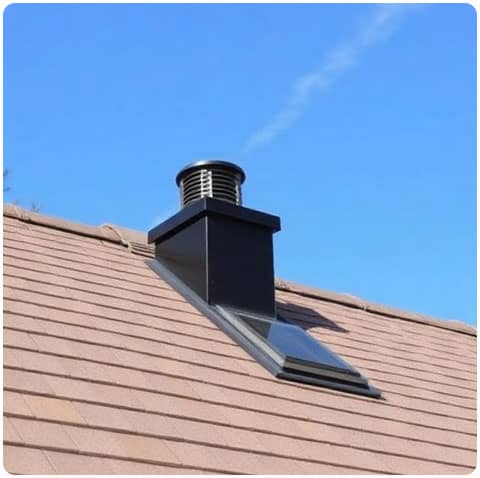
3. Roof Vents (Box Vents)
What Are Roof Vents?
Roof vents, also called box vents or static vents, are individual vents installed on the roof surface. They allow warm air to escape from the attic through natural convection.
Advantages of Roof Vents
- Simple and cost-effective installation
- No electricity required
- Suitable for small roof spaces
Disadvantages of Roof Vents
- Multiple vents required for large roofs
- Less efficient compared to ridge ventilation
- Visible on the roof surface
4. Turbine Vents (Whirlybird Vents)
What Are Turbine Vents?
Turbine vents use wind power to rotate a turbine mechanism that pulls hot air out of the attic.
When wind blows, the turbine spins and creates suction that draws air from inside the roof cavity.
Advantages of Turbine Vents
- Highly efficient air extraction
- Operates without electricity
- Performs well in windy environments
Disadvantages of Turbine Vents
- Moving parts may require maintenance
- Performance decreases in low-wind conditions
- Can produce noise if poorly maintained
5. Gable Vents
What Are Gable Vents?
Gable vents are installed on the gable walls of a building, near the roof peak. They allow cross ventilation by enabling air to move from one side of the attic to the other.
Advantages of Gable Vents
- Easy to install in existing structures
- Enhance cross ventilation
- Provide an architectural aesthetic element
Disadvantages of Gable Vents
- Inefficient in large attic spaces
- Airflow depends heavily on wind direction
- May interfere with ridge ventilation systems
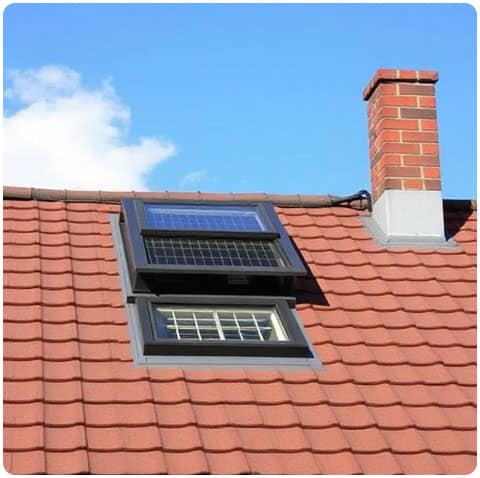
6. Powered Roof Ventilators
What Are Powered Roof Ventilators?
Powered roof ventilators, also called electric attic fans, use motorized fans to actively remove hot air from the attic.
They are typically controlled by thermostats or humidity sensors.
Advantages of Powered Roof Ventilators
- Rapid removal of hot air
- Ideal for extremely hot climates
- Improves attic cooling efficiency
Disadvantages of Powered Roof Ventilators
- Consumes electricity
- Installation cost is higher
- May create negative pressure that pulls conditioned air from the house
7. Solar Roof Vents
What Are Solar Roof Vents?
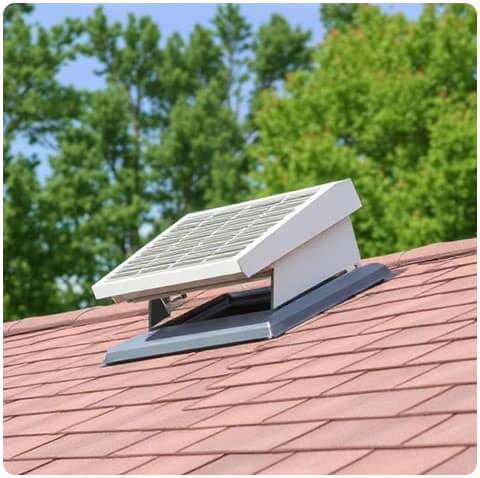
Solar roof vents operate using solar panels that power ventilation fans. These systems provide active ventilation without relying on grid electricity.
Advantages of Solar Roof Vents
- Energy-efficient and eco-friendly
- Operates automatically during sunlight hours
- Reduces attic heat significantly
Disadvantages of Solar Roof Vents
- Higher initial installation cost
- Performance depends on sunlight availability
- Limited operation during cloudy conditions
Advantages of Roof Ventilation
Installing an effective roof ventilation system offers numerous benefits for residential and commercial buildings.
1. Reduced Energy Costs
By expelling hot air from the attic, ventilation prevents excessive heat buildup. This reduces the need for air conditioning, lowering energy bills and cooling loads.
2. Moisture Prevention
Proper ventilation eliminates moisture that accumulates due to condensation. This prevents mold growth, mildew, and structural decay.
3. Extended Roof Lifespan
Roofing materials exposed to extreme heat deteriorate faster. Ventilation maintains moderate temperatures, prolonging the life of shingles, insulation, and roof decking.
4. Improved Indoor Air Quality
Ventilation systems remove stale air and moisture that can otherwise circulate into living spaces.
5. Prevention of Ice Dams
In colder climates, ventilation keeps the roof surface temperature consistent, reducing the formation of ice dams along roof edges.
Disadvantages of Roof Ventilation
While roof ventilation offers numerous advantages, certain limitations must be considered during design and installation.
1. Installation Costs
Installing a comprehensive ventilation system may involve labor costs, structural modifications, and material expenses.
2. Risk of Improper Installation
Poorly designed systems can disrupt airflow balance and reduce efficiency.
3. Maintenance Requirements
Some ventilation types, particularly turbine vents and powered fans, require periodic inspection and maintenance.
4. Potential Air Leakage
Improperly sealed vents may allow water infiltration or air leakage during severe weather.
Best Practices for Effective Roof Ventilation
To maximize the performance of roof ventilation systems, we implement several essential practices:
- Maintain a balanced intake and exhaust ventilation ratio
- Ensure soffit vents remain unobstructed
- Use ridge vents for continuous airflow
- Install vapor barriers to control moisture
- Conduct regular inspections and maintenance
These strategies ensure optimal ventilation performance and long-term structural protection.
Conclusion
Roof ventilation is a fundamental element of durable, energy-efficient building design. By allowing continuous airflow through the attic space, ventilation systems regulate temperature, eliminate moisture, and extend the lifespan of roofing materials.
A wide range of systems - including ridge vents, soffit vents, roof vents, turbine vents, gable vents, powered ventilators, and solar vents - offer solutions for different climates and architectural designs. Each type provides distinct benefits while presenting specific limitations.
When properly designed and installed, a well-balanced ventilation system delivers lower energy consumption, improved indoor comfort, and enhanced structural durability. For homeowners, architects, and builders, investing in effective roof ventilation is a crucial step toward creating healthier and more resilient buildings.
Please watch the following short video for Roof Ventilation
Also Read:
 What Is Calacatta Quartz and Its Types