
Standard Building Floor Height: Complete Guide for Residential, Commercial, and High-Rise Structures
Understanding Standard Building Floor Height
The standard building floor height is one of the most critical factors in architectural planning, structural engineering, and interior design. Floor height directly affects a building's appearance, ventilation, comfort, lighting, construction cost, and compliance with building regulations. Whether we are designing a residential house, office tower, apartment complex, or commercial property, selecting the proper floor-to-floor height ensures safety, functionality, and long-term efficiency.
In modern construction, standard floor heights vary according to building type, usage, local regulations, climate conditions, and structural systems. A well-planned floor height improves natural airflow, enhances aesthetics, and creates a comfortable living or working environment.
What Is Floor Height in Building Construction?
Floor height refers to the vertical distance between one floor level and the next floor level in a building. It is commonly measured in two ways:
- Floor-to-floor height
- Floor-to-ceiling height
Floor-to-Floor Height
This is the total vertical distance from the top of one finished floor slab to the top of the next finished floor slab.
Floor-to-Ceiling Height
This refers to the clear height between the finished floor and the ceiling surface inside a room.
The difference between these two dimensions includes:
- Structural slab thickness
- Beam depth
- Ceiling finishes
- Electrical and HVAC services
Standard Floor Height for Residential Buildings
Residential buildings generally require comfortable ceiling heights for proper ventilation and natural lighting. The standard residential floor height depends on the type of home and regional building practices.

Single-Family House Floor Height
For normal residential homes, the standard floor-to-floor height ranges from:
| Building Type | Standard Floor Height |
| Small residential house | 9 to 10 feet |
| Luxury house | 10 to 12 feet |
| Duplex house | 10 to 11 feet |
The standard ceiling height inside rooms is usually:
- 8 to 10 feet
Modern homes increasingly use higher ceilings to improve aesthetics and airflow.
Apartment Building Floor Height
In apartment construction, efficient space planning is essential. Typical apartment floor heights are:
| Apartment Type | Standard Height |
| Budget apartments | 9 feet |
| Mid-range apartments | 10 feet |
| Premium apartments | 10 to 12 feet |
Higher ceilings create a spacious appearance and increase property value.
Standard Floor Height for Commercial Buildings
Commercial structures require greater floor heights because they accommodate:
- HVAC systems
- Electrical conduits
- Fire protection systems
- Suspended ceilings
- Large occupancy loads
Office Building Floor Height
Modern office buildings generally have:
| Office Type | Standard Floor Height |
| Standard offices | 12 to 14 feet |
| Premium corporate offices | 14 to 16 feet |
The clear ceiling height inside offices is often:
- 9 to 10 feet
This extra space allows efficient installation of air conditioning ducts and lighting systems.
Shopping Mall Floor Height
Shopping malls require significantly taller floors to create open interiors and attractive retail environments.
Typical shopping mall floor heights:
- 14 to 20 feet
Anchor stores and atriums may exceed:
- 25 feet
Large floor heights improve visibility, customer comfort, and store presentation.
Standard Height for Industrial Buildings
Industrial structures such as warehouses and factories need very high clearances for machinery and storage systems.
Warehouse Floor Height
Typical warehouse heights include:
| Warehouse Type | Standard Height |
| Small warehouse | 16 to 20 feet |
| Distribution center | 24 to 40 feet |
| Automated warehouse | 40 feet or more |
Higher vertical space increases storage capacity and operational efficiency.
Factory Building Height
Factory floor heights vary depending on machinery size and production requirements.
Standard factory heights:
- 15 to 30 feet
Heavy industrial plants may require even greater heights for cranes and equipment installation.
Standard Floor Height for High-Rise Buildings
High-rise and skyscraper construction follows specialized engineering standards. These structures require additional height for:
- Structural systems
- Mechanical floors
- Fire safety systems
- Elevator shafts
Residential High-Rise Buildings
Typical residential tower floor heights:
- 10 to 12 feet
Luxury towers may use:
- 12 to 14 feet
Commercial High-Rise Buildings
Commercial skyscrapers generally use:
- 13 to 16 feet floor-to-floor height
Premium office towers may exceed:
- 18 feet
These heights provide flexibility for advanced building services.
Minimum Ceiling Height According to Building Standards
Most building regulations specify minimum ceiling heights to ensure occupant comfort and safety.
Common minimum ceiling heights include:
| Space Type | Minimum Ceiling Height |
| Habitable rooms | 7.5 to 9 feet |
| Kitchens | 7 feet |
| Bathrooms | 7 feet |
| Corridors | 7 feet |
These standards may vary depending on local building codes and country-specific regulations.
Factors Affecting Standard Building Floor Height
Several important factors influence the selection of floor height during construction.
1. Building Purpose
Different buildings require different ceiling clearances:
- Residential buildings focus on comfort
- Commercial buildings require service spaces
- Industrial buildings need equipment clearance
2. Climate Conditions
In hot climates, higher ceilings improve ventilation and reduce indoor temperatures. Traditional tropical architecture often uses:
- 10 to 14 feet ceilings
Cold regions may prefer lower ceilings to improve heating efficiency.
3. Structural System
The structural framework impacts floor height. Reinforced concrete buildings often require deeper beams compared to steel structures.
Structural elements affecting height:
- Slab thickness
- Beam depth
- Column arrangement
4. Mechanical and Electrical Services
Modern buildings contain:
- Air conditioning ducts
- Electrical conduits
- Plumbing pipes
- Fire sprinkler systems
These systems require additional vertical space above ceilings.
5. Architectural Design
Luxury and modern architectural styles often emphasize:
- Double-height spaces
- Open interiors
- Tall ceilings
- Large windows
Higher ceilings enhance visual appeal and property value.
Advantages of Proper Floor Height
Selecting the correct floor height provides several major benefits.
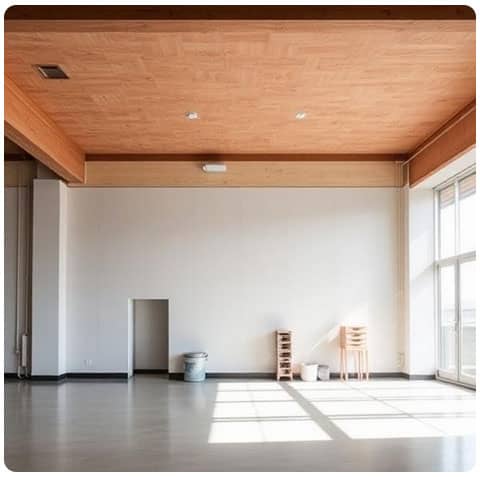
Improved Ventilation
Higher ceilings allow better air circulation, improving indoor comfort and reducing humidity.
Enhanced Natural Lighting
Taller spaces accommodate larger windows, increasing daylight penetration and reducing electricity consumption.
Better Aesthetics
High ceilings create:
- Spacious interiors
- Elegant appearance
- Premium architectural feel
Higher Property Value
Properties with well-designed ceiling heights generally command better market prices.
Disadvantages of Excessive Floor Height
While higher ceilings offer advantages, excessive heights can increase:
- Construction costs
- Energy consumption
- Material requirements
- HVAC expenses
Proper balance is essential for cost-effective design.
Typical Floor Heights in Different Countries
Building practices vary globally due to climate, regulations, and architectural preferences.
| Country | Typical Residential Height |
| India | 9 to 10 feet |
| USA | 8 to 10 feet |
| UK | 8 to 9 feet |
| UAE | 10 to 12 feet |
| Australia | 9 to 10 feet |
Luxury developments often exceed standard dimensions.
How to Calculate Building Height
Building height is calculated by multiplying the floor-to-floor height by the number of floors.
Example Calculation
If a residential building has:
- Floor height = 10 feet
- Number of floors = 5
Then total building height:
H = 10 x 5 = 50 feet
Total building height = 50 feet
Best Standard Floor Height for Modern Homes
Modern homes increasingly prefer:
- 10-foot floor-to-floor height
- 9-foot ceiling height
This provides:
- Better ventilation
- Modern appearance
- Improved lighting
- Comfortable living environment
Luxury homes often use:
- 12-foot ceilings
- Double-height living rooms
Standard Building Floor Height in India
In India, residential building standards commonly follow these dimensions:
| Building Type | Standard Height |
| Residential building | 10 feet |
| Apartment building | 10 feet |
| Commercial office | 12 feet |
| Shopping mall | 15 feet |
| Industrial building | 20 feet |
Indian metropolitan cities increasingly adopt higher ceilings in premium projects.
Conclusion
The standard building floor height plays a vital role in structural design, architectural aesthetics, occupant comfort, and construction efficiency. Residential buildings typically use floor heights between 9 and 10 feet, while commercial and industrial structures require significantly greater vertical clearances.
Selecting the appropriate floor height improves ventilation, lighting, functionality, and property value while ensuring compliance with modern building standards. Whether constructing a small home, apartment tower, office building, or industrial facility, proper floor height planning remains essential for long-term building performance and occupant satisfaction.
Frequently Asked Questions About Standard Building Floor Height
What is the standard height of one floor in a building?
The standard floor height is usually:
- 10 feet for residential buildings
- 12 to 14 feet for commercial buildings
What is the minimum ceiling height for residential buildings?
Most building codes require:
- 7.5 to 9 feet minimum ceiling height
Why are commercial buildings taller than residential buildings?
Commercial buildings need extra space for:
- HVAC systems
- Electrical services
- Fire protection
- Large occupancy areas
What is the ideal ceiling height for modern homes?
Modern homes commonly use:
- 9 to 10 feet ceilings
Luxury homes may exceed:
- 12 feet
Does higher floor height increase construction cost?
Yes. Higher ceilings increase:
- Material quantity
- Structural load
- HVAC requirements
- Overall construction expenses
Please view the following short video for Standard Building Floor Height
Also Read:
 Standard Staircase Dimensions