
Brick Bat Coba Waterproofing - Ultimate Guide for Durable Roof Protection
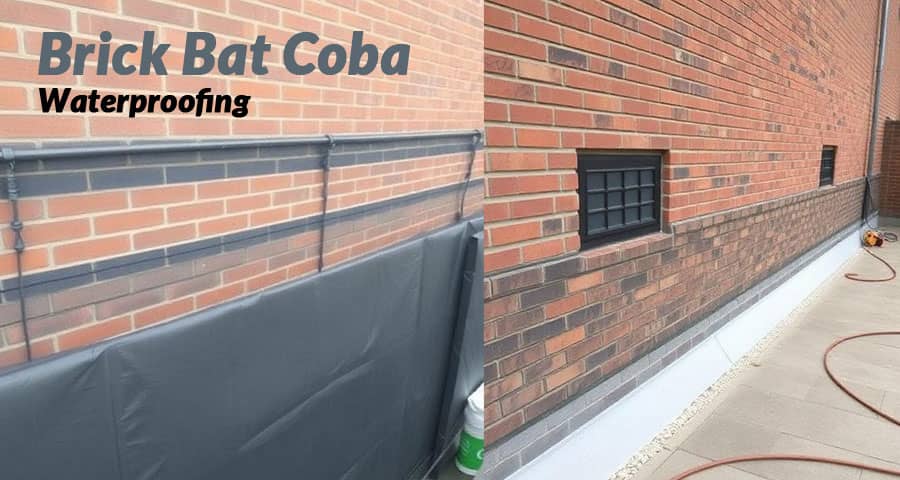
Brick Bat Coba Waterproofing remains one of the most reliable, traditional, and cost-effective waterproofing methods used globally to prevent roof leakage. It is extensively applied for RCC roofs, terraces, and flat surfaces that require a durable and long-lasting waterproofing solution. With increasing structural demands and climate changes, creating a waterproof shield for buildings is no longer optional - it's a necessity.
What Is Brick Bat Coba Waterproofing?
Brick Bat Coba Waterproofing is a waterproofing technique that uses a combination of brickbats (broken brick pieces), cement mortar, and waterproofing compounds to create an impervious layer over concrete roofs and terraces. The system forms a strong barrier that prevents seepage, controls thermal insulation, and provides a sloped finish for proper drainage.
This method has been widely adopted in residential, commercial, and industrial structures due to its proven performance, affordability, and ability to accommodate thermal variations and structural movements.
Purpose of Brick Bat Coba Waterproofing
The primary objectives include:
- Preventing water infiltration into the slab or structure
- Providing thermal insulation, keeping indoor spaces cooler
- Offering a firm slope for effective drainage
- Enhancing durability of RCC slabs and preventing reinforcement corrosion
- Minimizing leakage-related structural damage
Materials Used in Brick Bat Coba Waterproofing
Quality workmanship depends heavily on selecting the right materials. Essential materials include:
- Brickbats (broken bricks) of uniform size
- Cement (Ordinary Portland Cement 43 or 53 grade)
- Clean, well-graded sand
- Waterproofing compounds (liquid or powder-based)
- Polymer additives for enhanced bonding
- Cement slurry for pre-coating
- Curing agents to ensure structural integrity
- Wire mesh (if required in critical junctions)
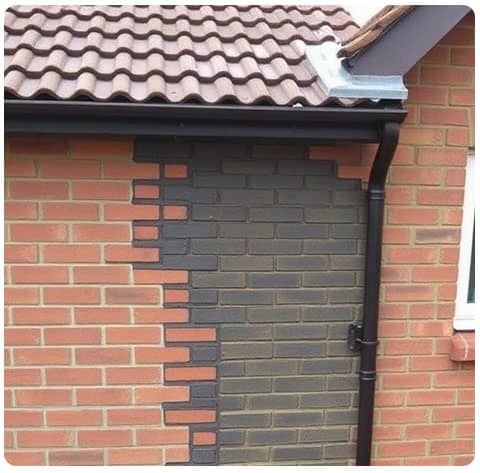
Step-by-Step Procedure for Brick Bat Coba Waterproofing
1. Surface Preparation
The RCC roof surface must be cleaned thoroughly to remove laitance, dust, loose particles, algae, and grease. All cracks and joints are inspected, opened, and filled with polymer-modified mortar.
2. Applying a Slurry Coat
A cement slurry mixed with waterproofing compounds is applied over the entire surface. This improves adhesion and prevents moisture penetration.
3. Laying Brick Bats
Brickbats are immersed in water before placement to avoid absorption of moisture from the mortar. They are laid with cement mortar in a slope of 1:100 to 1:150, ensuring proper water drainage toward the rainwater outlets.
4. Curing the Layer
The bed is cured for 7 - 10 days to achieve adequate bonding and strength. Proper curing prevents surface cracks and future seepage.
5. Protective Top Layer
A waterproof cement mortar layer of 20 - 25 mm thickness is laid on top. It is further finished using a neat cement slurry blended with waterproofing additives.
6. Expansion Joints and Fillets
Critical areas such as parapet walls, drainage outlets, and joints receive special treatment using polymer-modified mortar, angle fillets, or fiber mesh reinforcement.
7. Final Curing
Extended curing for 2 - 3 weeks ensures maximum structural stability, waterproofing efficiency, and crack resistance.
Advantages of Brick Bat Coba Waterproofing
Highly Durable
Once applied correctly, this system can last 15 to 20 years with minimal maintenance.
Excellent Thermal Insulation
Brick bat layers reduce heat penetration, maintaining cooler indoor temperatures - especially beneficial in tropical climates.
Cost-Effective Solution
Compared to modern chemical systems, this traditional method provides long-term waterproofing at a lower cost.
Customizable Slope Formation
It allows creation of accurate slopes, ensuring efficient drainage without the need for additional screeding.
Prevents Structural Damage
Protects reinforcement steel from rusting, concrete from spalling, and structural members from moisture-related weakening.
Disadvantages of Brick Bat Coba Waterproofing
- Heavier dead load added to the slab due to masonry materials
- Labor intensive requiring skilled professionals
- Time-consuming curing process
- May crack if exposed to extreme climate variations or poor workmanship
However, when implemented correctly with quality materials, these drawbacks are minimal.
Common Causes of Brick Bat Coba Waterproofing Failure
Understanding failures is crucial for long-term performance:
- Insufficient curing leading to shrinkage cracks
- Incorrect slope formation causing water stagnation
- Poor surface preparation resulting in debonding
- Use of substandard materials like low-grade bricks or contaminated sand
- Neglecting drainage outlets causing blockages
- Thermal expansion and contraction without joint treatments
Best Practices for Long-Lasting Results
To enhance waterproofing effectiveness, ensure:
- Use only premier-grade cement and uniform brickbats
- Incorporate polymer additives for improved bonding and flexibility
- Provide proper drip moulds along parapet edges
- Maintain a minimum slope of 1:100 for drainage
- Conduct annual inspections and repair cracks immediately
Applications of Brick Bat Coba Waterproofing
This method is ideal for:
- Flat RCC roofs and terraces
- Chajja projections
- Podiums and balconies
- Industrial sheds
- Bathroom and wet-area slabs
- Old structure refurbishments
Comparison: Brick Bat Coba vs. Modern Waterproofing Systems
| Parameter | Brick Bat Coba | Liquid Membrane | Bituminous Membrane |
|---|---|---|---|
| Lifespan | 15 - 20 years | 7 - 10 years | 10 - 15 years |
| Cost | Low | Medium | Medium |
| Thickness | High | Low | Medium |
| Thermal Insulation | Excellent | Poor | Moderate |
| Slope Formation | Yes | No | No |
| Maintenance | Minimal | Moderate | Moderate |
Brick Bat Coba stands strong when insulation, durability, and structural stability are priorities.
Conclusion
Brick Bat Coba Waterproofing remains a time-tested, economical, and durable solution for terrace and roof protection. When executed with precision and proper materials, it provides exceptional waterproofing performance and longevity. As buildings continue to face environmental and structural challenges, this traditional method proves that simplicity combined with engineering insight can deliver unmatched reliability.
Please watch the following short video for Brick Bat Coba Waterproofing
Also Read:
 The Science of Column Placement and Orientation