
Emulsion Paint Vs Oil Based Paint: The Ultimate Guide to Choosing the Perfect Finish
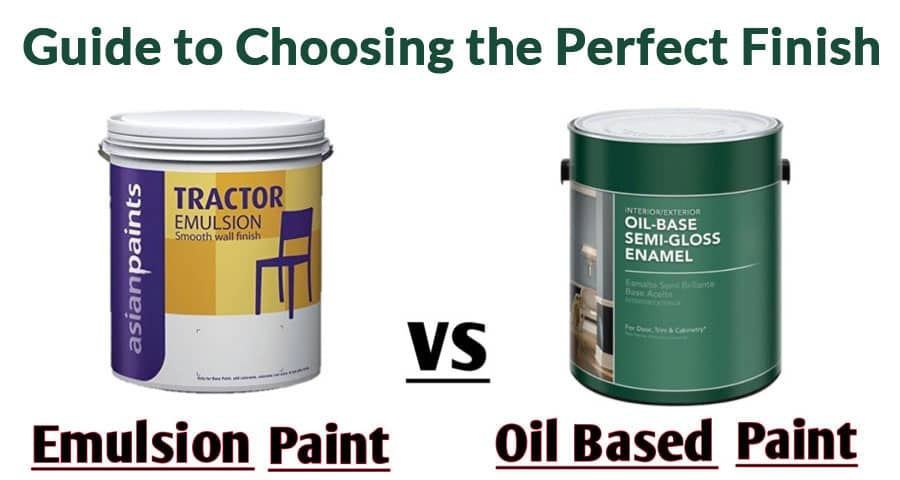
When it comes to selecting the ideal paint for walls, wood, or metal surfaces, the debate between emulsion paint vs oil based paint remains one of the most critical decisions in construction and interior design.
What is Emulsion Paint?
Emulsion paint is a water-based paint where water acts as the solvent, making it environmentally friendly and easy to apply. It is widely used for interior walls and ceilings due to its smooth finish and versatility.
Key Features of Emulsion Paint
- Quick drying properties ensure faster project completion
- Low odor, making it suitable for indoor environments
- Easy cleanup using water
- Crack-resistant and flexible coating
- Available in matte, satin, silk, and gloss finishes
Types of Emulsion Paint
- Acrylic Emulsion Paint - Durable and washable
- Vinyl Emulsion Paint - Cost-effective and smooth
- Silk Emulsion Paint - Slight sheen for premium interiors
- Matte Emulsion Paint - Non-reflective for elegant walls
What is Oil Based Paint?
Oil based paint uses natural oils or synthetic alkyds as the base, offering exceptional durability and a glossy finish. It is traditionally preferred for woodwork, metal surfaces, and high-traffic areas.
Key Features of Oil Based Paint
- Superior durability and hardness
- High gloss and rich finish
- Excellent adhesion on multiple surfaces
- Water-resistant coating
- Requires solvents like turpentine for cleaning
Common Applications
- Doors and window frames
- Metal railings and grills
- Furniture and cabinetry
- Exterior surfaces exposed to harsh conditions
Emulsion Paint Vs Oil Based Paint: Detailed Comparison
1. Composition and Base
- Emulsion Paint: Water-based formulation
- Oil Based Paint: Oil or solvent-based composition
Verdict: Emulsion paint is eco-friendly and safer, while oil paint offers robust protection.
2. Drying Time
- Emulsion Paint: Dries within 1 - 2 hours
- Oil Based Paint: Takes 6 - 24 hours or more
Verdict: Emulsion paint is significantly faster, ideal for quick projects.
3. Durability and Longevity
- Emulsion Paint: Durable but slightly less tough
- Oil Based Paint: Highly durable and resistant to wear
Verdict: Oil based paint is better for long-term durability, especially in high-contact areas.
4. Finish and Appearance
- Emulsion Paint: Smooth, modern, and versatile finishes
- Oil Based Paint: Rich, glossy, and premium look
Verdict: Oil paint provides a more luxurious finish, while emulsion offers variety and subtle elegance.
5. Maintenance and Cleaning
- Emulsion Paint: Washable and easy to clean with water
- Oil Based Paint: Requires solvents for cleaning
Verdict: Emulsion paint is more convenient for everyday maintenance.
6. Odor and Environmental Impact
- Emulsion Paint: Low VOC and minimal odor
- Oil Based Paint: Strong smell and higher VOC emissions
Verdict: Emulsion paint is healthier and environmentally responsible.
7. Cost Comparison
- Emulsion Paint: Generally more affordable
- Oil Based Paint: Slightly more expensive due to durability
Verdict: Emulsion paint offers better cost-efficiency for interiors.
Advantages of Emulsion Paint
- Eco-friendly and non-toxic formulation
- Quick application and drying time
- Wide range of finishes and colors
- Resistant to fading and cracking
- Ideal for modern interior aesthetics
Advantages of Oil Based Paint
- Unmatched durability and strength
- Superior gloss and shine
- Excellent resistance to stains and moisture
- Perfect for wood and metal surfaces
- Long-lasting performance in harsh conditions
Disadvantages of Emulsion Paint
- Less resistant to heavy wear and tear
- Not ideal for metal or exterior surfaces without treatment
- May require multiple coats for deep colors
Disadvantages of Oil Based Paint
- Long drying time delays projects
- Strong odor and harmful fumes
- Requires chemical solvents for cleanup
- Can yellow over time, especially in low light
Where to Use Emulsion Paint
We recommend emulsion paint for:
- Living rooms and bedrooms
- Ceilings and interior walls
- Offices and commercial interiors
- Areas requiring frequent cleaning
Where to Use Oil Based Paint
We recommend oil based paint for:
- Wooden furniture and cabinets
- Metal gates and railings
- Exterior surfaces
- High-traffic zones requiring extra durability
How to Choose Between Emulsion and Oil Based Paint
Selecting the right paint depends on surface type, usage, and desired finish:
- Choose emulsion paint for interior walls, quick drying, and eco-friendly solutions
- Choose oil based paint for strength, durability, and glossy finishes
Expert Tips for Best Results
- Always prepare the surface properly before painting
- Use primer for better adhesion and longevity
- Apply multiple thin coats instead of one thick coat
- Ensure proper ventilation, especially with oil paints
- Select high-quality brands for optimal performance
Conclusion: Emulsion Paint Vs Oil Based Paint
In the comparison of emulsion paint vs oil based paint, both options serve distinct purposes. We identify emulsion paint as the superior choice for modern interiors, offering ease of use, safety, and versatility. On the other hand, oil based paint remains unmatched in durability and finish for specialized applications.
The final decision lies in matching the paint type to the surface and functional requirements, ensuring a long-lasting and visually appealing result.
Please watch the following short video for Emulsion Paint Vs Oil Based Paint
Also Read:
 What Is Pipe Fittings and Its Types? A Complete Guide